
Trump Says Global Coalition Will Send Warships to Reopen Strait of Hormuz
Escalating tensions with Iran threaten global oil supply and raise fears of a wider Middle East conflict

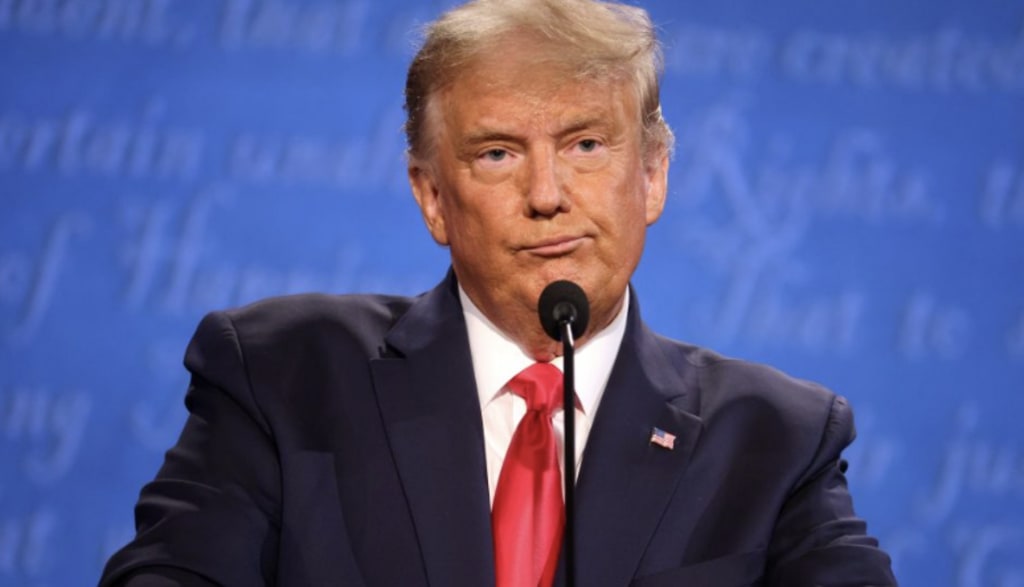
A major escalation in the ongoing Iran conflict is unfolding as former U.S. President Donald Trump announced that multiple countries may deploy warships to protect commercial shipping through the Strait of Hormuz — one of the world’s most critical energy chokepoints.
The announcement comes after weeks of attacks on ships and mounting tensions between Iran, the United States, and regional allies. With the Strait of Hormuz responsible for transporting a significant portion of the world’s oil, any disruption has the potential to shake global energy markets and trigger wider geopolitical instability.
Trump calls for international naval coalition
Trump said that several countries affected by Iran’s attempt to disrupt shipping in the strait are preparing to send naval forces alongside the United States to secure the waterway. The move would effectively create an international coalition aimed at reopening safe passage for commercial vessels.
The Strait of Hormuz sits between Iran and Oman and serves as the main route for oil exports from Gulf producers such as Saudi Arabia, Kuwait, Iraq, and the United Arab Emirates.
Military officials say the U.S. is already preparing for operations in the region. Defense Secretary Pete Hegseth has ordered the deployment of the USS Tripoli, an amphibious assault ship carrying thousands of Marines, as part of efforts to restore safe shipping routes.
The Pentagon is also reportedly considering preemptive strikes against Iranian anti-ship missile systems positioned along the coast before escorting commercial ships through the strait.
Why the Strait of Hormuz matters
The Strait of Hormuz is one of the most strategically important waterways in the world. Roughly 20% of the global oil supply passes through the narrow channel, making it a critical artery for international energy markets.
In recent weeks, the conflict has severely disrupted traffic through the strait. Shipping companies have begun avoiding the region after attacks on vessels and threats from Iran’s Revolutionary Guard forces.
According to reports, tanker traffic dropped dramatically and hundreds of ships anchored outside the strait rather than risk passing through the contested waters.
Energy markets have already reacted to the instability. Oil prices surged past $100 per barrel earlier this month amid fears that the crisis could escalate further and disrupt global supply.
Military strikes and rising retaliation threats
The naval deployment follows several recent military developments that have intensified tensions in the region.
Earlier this week, U.S. forces carried out strikes on Iran’s Kharg Island — a strategic facility responsible for handling the majority of the country’s oil exports. The attack targeted military installations but also raised concerns about disruptions to global energy supplies.
Iran has warned that it could retaliate by targeting energy infrastructure linked to the United States and its allies across the Middle East.
At the same time, Iranian officials have claimed that ships belonging to countries other than the United States or Israel can still pass through the Strait of Hormuz, though many vessels are avoiding the route due to security concerns.
A wider conflict is already unfolding
The current crisis is part of a broader war that began earlier this year after joint U.S.–Israeli strikes against Iranian targets. Since then, the conflict has expanded across the Middle East, with missile attacks, naval skirmishes, and drone strikes reported across the region.
Several ships have been attacked in the Persian Gulf, and military forces on both sides have suffered losses.
U.S. officials say the naval operation to escort ships through the Strait of Hormuz could begin soon if conditions allow.
What happens next
The coming weeks could prove decisive for the global economy and regional stability.
If international naval forces successfully reopen the Strait of Hormuz, energy markets could stabilize and shipping traffic may resume. However, any direct confrontation between U.S. and Iranian forces in the waterway could rapidly escalate the conflict.
Analysts warn that the situation carries significant risks. Even small clashes at sea could disrupt the world’s oil supply and draw more countries into the conflict.
For now, the world is watching closely as warships prepare to move into one of the most strategically important waterways on Earth — and a region where a single spark could ignite a much larger war.
About the Creator
Navigating the World
News, commentary on entertainment, music, influencers, and modern culture, upcoming artists, politics, and more. Everything you need to know — all in one place.
Keep reading
More stories from Navigating the World and writers in Journal and other communities.
Protests Erupt in Cuba as Food and Energy Shortages Deepen
Rare anti-government protests have erupted across parts of Cuba as the island faces worsening shortages of food, fuel, and electricity. The demonstrations highlight the deep economic and humanitarian strain currently gripping the country and signal rising frustration among ordinary Cubans struggling with daily survival.
By Navigating the Worlda day ago in Journal
Author’s Advice
If you would’ve asked me 20 years ago did I know I’d become a writer and an author, I would’ve said “nope, ain’t happening”. As fate would have it I did become an author and I can honestly say I’m loving it so far. It really does feel good to be a writer. I’ve learned a lot on this journey and I feel like with even me being as new to this world as I am, there’s some wisdom I need to share with every other aspiring author.
By Joe Patterson4 days ago in Journal




Comments
There are no comments for this story
Be the first to respond and start the conversation.