
What the US–Israeli Strikes on Iran Mean for the Price of Oil
How conflict in the Middle East could reshape fuel costs worldwide
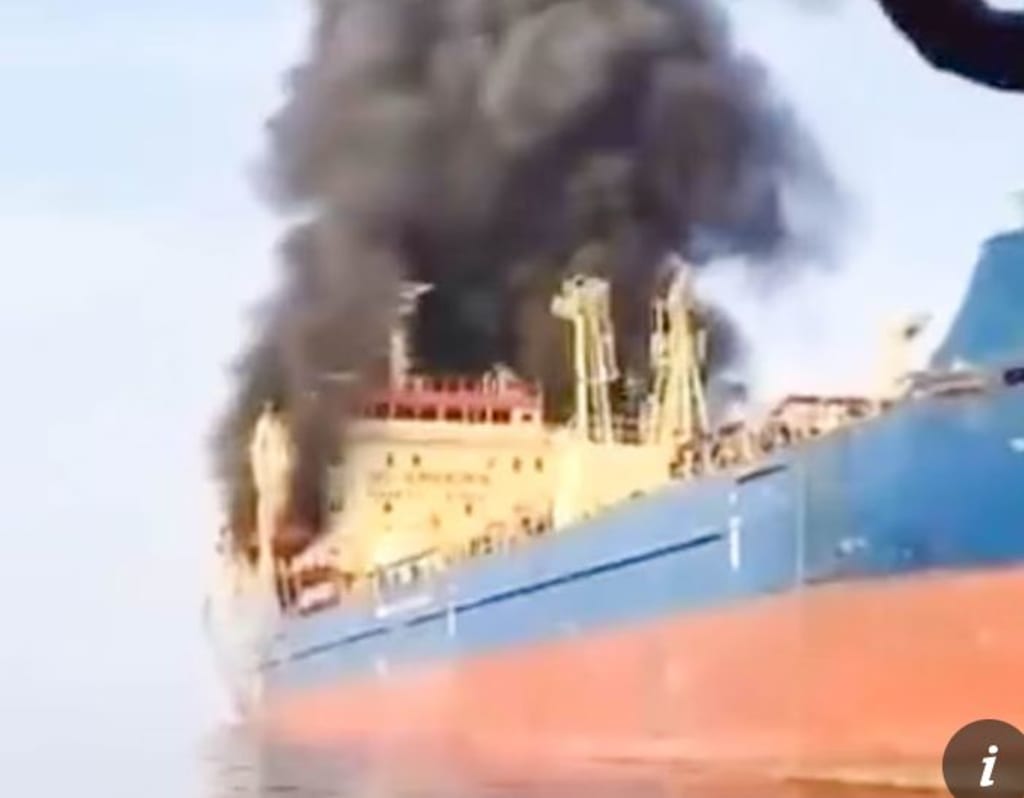
The Middle East has once again become the epicenter of global attention. Following coordinated military strikes by the United States and Israel on Iran, financial markets reacted instantly — and oil prices were among the first to respond.
Whenever conflict erupts in a region responsible for a significant share of global energy production, investors brace for volatility. This time is no different. But beyond the headlines and dramatic footage, what do these strikes actually mean for the price of oil — and for everyday consumers around the world?
Let’s break it down.
Why Iran Matters So Much to Global Oil
Iran is not just another country in the Middle East. It is one of the world’s largest holders of proven oil reserves and a major producer in global energy markets. Even under heavy sanctions, Iran pumps millions of barrels per day, making it an important contributor to global supply.
But production is only part of the story.
Iran’s real strategic leverage lies in geography. The country sits along the Strait of Hormuz, the narrow waterway through which roughly one-fifth of the world’s oil supply passes daily. Oil from Saudi Arabia, the UAE, Kuwait, Iraq, and Qatar must pass through this corridor to reach global markets.
If that chokepoint is threatened, oil prices react immediately.
The Immediate Market Reaction
Within hours of reports of the strikes, oil futures surged. Traders quickly priced in what’s known as a geopolitical risk premium — essentially an added cost reflecting uncertainty and potential supply disruption.
This doesn’t necessarily mean that oil supply has already been cut off. Instead, markets are reacting to the possibility that supply could be disrupted.
Oil markets are highly sensitive to risk. Even rumors of blockades, missile threats near shipping lanes, or retaliation targeting infrastructure can push prices sharply higher.
In this case, the fear is clear: escalation could interfere with exports not just from Iran, but from multiple Gulf nations.
The Strait of Hormuz: The Real Pressure Point
If there is one factor that could truly send oil prices soaring, it is any disruption in the Strait of Hormuz.
About 20 million barrels of oil travel through that narrow passage every single day. There are limited alternative routes. While some pipelines bypass the strait, they can only handle a fraction of the normal volume.
If shipping is slowed, rerouted, or temporarily halted, even partially, global supply would tighten dramatically.
And oil markets hate tight supply.
In a worst-case scenario — such as a prolonged closure or military confrontation affecting tanker traffic — prices could climb toward or above $100 per barrel. Even a short-term disruption would likely cause significant spikes at gas stations worldwide.
What Higher Oil Prices Mean for Consumers
When oil prices rise, the impact extends far beyond the energy sector.
1. Higher Fuel Costs
Gasoline and diesel prices are directly linked to crude oil. A sharp rise in oil means higher costs at the pump.
2. Rising Inflation
Transportation costs affect nearly every product — from groceries to electronics. When fuel becomes more expensive, businesses often pass those costs on to consumers.
3. Pressure on Central Banks
If inflation rises again due to energy costs, central banks may hesitate to cut interest rates. That could slow economic growth and keep borrowing costs higher for longer.
4. Airline and Travel Impact
Jet fuel prices increase when oil rises, potentially leading to more expensive airfare and shipping costs.
In short, oil prices don’t just affect energy companies — they affect everyone.
Could Anything Limit the Price Surge?
While the risks are serious, there are also moderating factors that could prevent a full-blown energy shock.
OPEC+ Production Adjustments
Major oil-producing nations could increase output to stabilize markets. If Saudi Arabia and its partners decide to boost production significantly, that may offset some supply fears.
Strategic Petroleum Reserves
Countries like the United States maintain emergency oil reserves. Governments can release stored oil to cool markets temporarily.
Diplomatic De-Escalation
Markets move on expectations. If tensions cool quickly or negotiations begin, the geopolitical risk premium could fade just as fast as it appeared.
Oil markets are often driven as much by psychology as by physical supply.
Is This Another 1970s-Style Oil Shock?
Some analysts are already drawing comparisons to the 1970s energy crisis, when geopolitical tensions triggered dramatic oil price spikes and long-lasting inflation.
However, today’s global energy system is more diversified. The United States is now one of the world’s largest producers, renewable energy plays a larger role, and global supply chains are somewhat more flexible.
That said, the Strait of Hormuz remains a critical vulnerability.
If conflict escalates significantly or drags on for months, comparisons to past oil shocks may become less hypothetical.
The Bigger Picture: Markets React to Uncertainty
Ultimately, oil prices are responding not just to what has happened, but to what might happen next.
Will Iran retaliate?
Will shipping routes remain open?
Will regional powers get involved?
Will global diplomacy contain the conflict?
Each headline has the power to move markets.
For now, the price of oil reflects heightened anxiety rather than confirmed shortage. But energy markets can shift quickly if conditions worsen.
Final Thoughts
The US–Israeli strikes on Iran have introduced a fresh wave of uncertainty into global energy markets. Oil prices have already responded, and the possibility of further escalation keeps traders on edge.
For consumers, this could mean higher fuel prices and renewed inflationary pressure. For governments, it presents a delicate balancing act between diplomacy, economic stability, and security concerns.
In today’s interconnected world, a military strike thousands of miles away can influence the price you pay at the pump tomorrow morning.
And until tensions ease, oil markets are likely to remain volatile.
If you'd like, I can now:
Add SEO meta description and tags
Create a more dramatic version
Write a neutral news-style version
Or tailor it specifically for U.S., European, or Asian readers
About the Creator
Hearts in Action: How Church Volunteers Spark Community Growth
Church volunteers contribute immeasurably to the growth and well-being of their communities by offering time, compassion, and unwavering dedication to local needs. These individuals serve in food programs, mentoring initiatives, outreach activities, and support networks that lift families and inspire hope. As their efforts expand, they build bridges across diverse groups, forming relationships rooted in empathy and purpose, and placing the impact of church volunteers at the core of community advancement. This commitment cultivates an environment where cooperation flourishes, challenges become more manageable, and long-term progress becomes achievable through shared resilience.
By Mike Signorellia day ago in Journal



Comments
There are no comments for this story
Be the first to respond and start the conversation.