bipolar
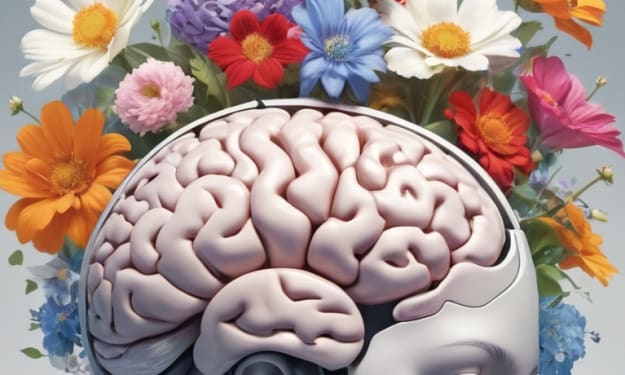
Bipolar disorder; understanding the highs, the lows and the in between.
TIDAL MIND
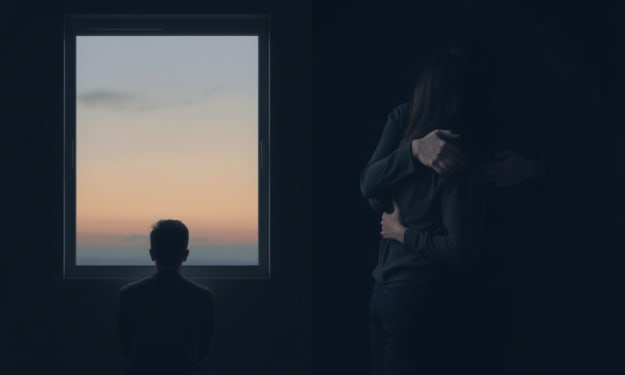
Some days, I wake up feeling like the sun cracked open just for me. My mind races with brilliant thoughts, too fast to pin down. My body is a fire that doesn’t burn—just glows. I talk fast. I clean everything. I text friends I haven’t spoken to in months. I believe in every idea I’ve ever had, all at once.
By Soul Scribbles11 months ago in Psyche
Ending the Stigma of Bipolar Disorder
Emotional and behavioral disorders are the most commonly under-represented disorders in the country. While there has been much research on the subject, many problems arise with the failure of many people to recognize the serious disabilities associated with these disorders. Bipolar disorder, or manic depression, remains at the top of the list of most under-recognized. The results of the severe ups and downs of manic depression can be devastating, and these types of disorders are rarely discussed in schools. More should be done to educate early on about these disorders to teach that acceptance is key in understanding these difficult mental and emotional disorders.
By Slgtlyscatt3red11 months ago in Psyche
Literary Psychology: Minor Depression and Major Depression
One of the psychological aspects that often appear in literary works is mental disorders, especially depression. Depression can generally be categorized into two forms: minor depression and major depression. Minor depression is often described as a temporary feeling of melancholy or sadness that can be overcome. Meanwhile, major depression has more complex and profound characteristics, involving a loss of meaning in life as well as destructive tendencies, even to the point of suicide. Through the perspective of literary psychology, this psychological condition is constructed through characterisation, symbolism, and narrative structure. Literary works not only reflect human experiences, but also become an effective medium in describing various forms of mental disorders, character struggles, and the social impacts that arise due to mental health problems (Septiaji, 2025). By understanding the representation of depression in literature, we can gain deeper insights into its psychological impact and implications for readers and society.
By Aji Septiaji11 months ago in Psyche
Mirrors are mysterious portals
Have you ever wondered what would happen if you stared at your reflection in the mirror for a long time? It may seem like a trivial question, but there’s an experiment that could make you reflect (in every sense) in a completely new way. This psychological experiment had surprising reactions, and it makes us question the nature of reality and human perception.
By Halina Piekarska (UltraBeauty Blog)11 months ago in Psyche
The Forgotten Language of Touch: How Physical Contact Shapes Our Emotional Well-being
In a world dominated by screens and digital expressions, we have learned to communicate through messages, emojis, and reactions. We connect in online meetings, express love with virtual hearts, and offer condolences through comment sections. Yet, in our reliance on words and technology, we’ve drifted away from one of the oldest and most profound forms of communication—physical touch.
By Mysteries with Professor Jahani11 months ago in Psyche
The Invisible Weight: Living with the Emotional Baggage We Don’t Talk About
The Backpack No One Sees When my friend Julia died suddenly in a car accident, her husband, Mark, showed up to her funeral wearing a crisp suit and a smile that didn’t reach his eyes. He shook hands, accepted casseroles, and thanked everyone for their support. Two years later, at a dinner party, he casually mentioned he still sets a place for her at the table. The room fell silent. No one knew what to say—not because they didn’t care, but because grief, like so much of our emotional baggage, lives in the shadows.
By Mysteries with Professor Jahani11 months ago in Psyche