
DTE Energy to Seek Another Electric Rate Increase After $242M Hike
Michigan’s largest utility sparks backlash after signaling a new rate hike request just days after regulators approved a $242 million increase.
Just days after winning approval for a $242.4 million electric rate increase, DTE Energy has announced plans to pursue yet another rate hike — sparking frustration, political pushback, and renewed debate about affordability for Michigan households.
For customers already adjusting to higher monthly bills, the timing feels abrupt. For regulators and consumer advocates, it raises deeper questions about how often utilities should be allowed to request new revenue increases — and who ultimately carries the financial burden.
Let’s break down what’s happening, why it matters, and what Michigan residents can expect next.
What Happened?
In late February, the Michigan Public Service Commission approved a $242.4 million rate increase for DTE’s electric service customers. The approved hike will raise the average residential bill by roughly $4 to $5 per month, depending on usage.
Only five days later, DTE formally signaled that it intends to file another electric rate case in April. The new rates, if approved, would not take effect until 2027 — but the announcement itself has stirred immediate reaction.
While utilities regularly file rate cases every year or two, critics argue that announcing a new request almost immediately after receiving one sends the wrong message to customers already struggling with inflation and high energy costs.
Why Is DTE Asking for More?
DTE says continued investment in Michigan’s electric grid is essential.
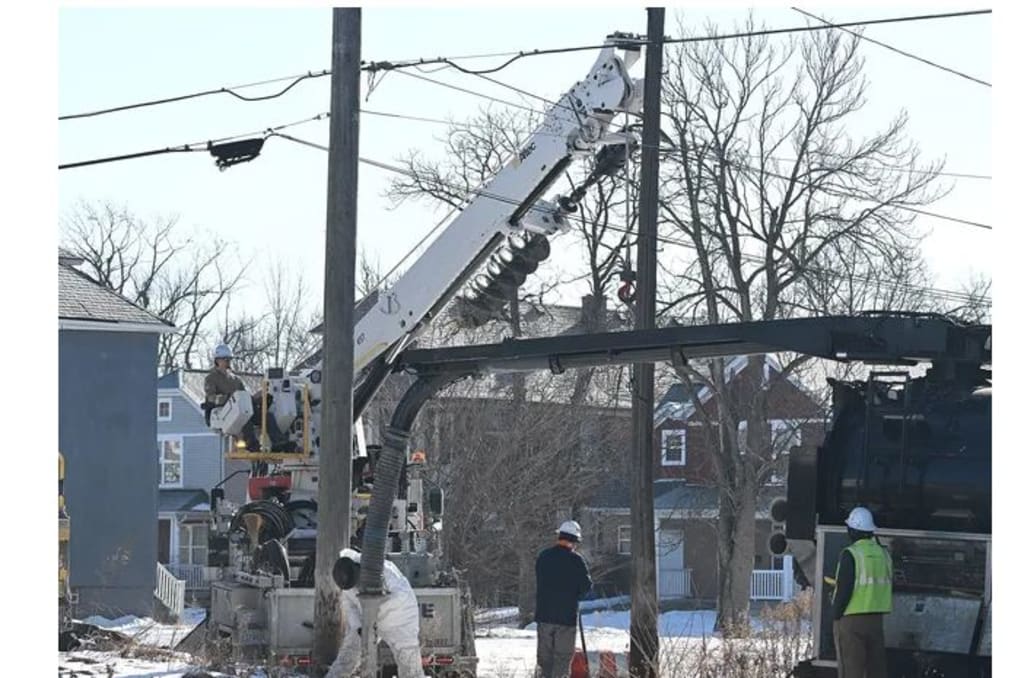
Over the past several years, the utility has faced intense scrutiny over power outages — particularly during severe storms that left hundreds of thousands without electricity for days at a time. In response, DTE launched aggressive infrastructure upgrades, including:
Replacing aging poles and wires
Hardening lines against extreme weather
Expanding tree trimming programs
Modernizing grid technology
The company maintains that these investments are delivering results. According to DTE, 2025 was one of the most reliable service years in nearly two decades, with improved outage response times and fewer extended blackouts.
However, those improvements come at a cost — and utilities recover most infrastructure spending directly from customers through rate increases.
The Backlash
The announcement drew swift criticism from consumer advocates and state officials.
Dana Nessel, Michigan’s Attorney General, called the timing “astonishing,” arguing that frequent rate filings place unnecessary strain on families and small businesses. Her office has repeatedly challenged portions of DTE’s rate requests in regulatory proceedings.
Critics point out that DTE has reported strong profits in recent years. They question whether ratepayers should continue absorbing higher costs while shareholders receive returns and executives earn substantial compensation.
Advocacy groups are also pushing for reforms such as a “Ratepayer Bill of Rights” to strengthen consumer protections and increase oversight over how utilities justify their spending.
The Bigger Debate: Reliability vs. Affordability
This situation highlights a broader issue facing utilities nationwide: how to balance grid modernization with customer affordability.
On one hand, Michigan’s aging electric infrastructure genuinely needs upgrades. Climate change has increased the frequency and severity of storms, putting more strain on power lines and substations. Failing to invest could mean more outages — and potentially even higher long-term costs.
On the other hand, repeated rate hikes compound over time. Even modest monthly increases can become significant when layered year after year. For low- and middle-income households, utility bills already represent a growing share of household expenses.
The debate isn’t simply about one $4 increase — it’s about the pattern of recurring requests.
How the Rate Process Works
When DTE files a rate case, the request goes through months of review by the Michigan Public Service Commission. During this process:
Consumer groups intervene
Financial experts analyze DTE’s spending plans
Public hearings may be held
Regulators scrutinize profit margins
Historically, the commission often approves less than what utilities initially request. For example, DTE’s previous filing sought significantly more than the $242 million ultimately granted.
This means the upcoming request may be reduced — or restructured — before approval.
What It Means for Customers
For now, customers will see the recently approved increase reflected in their bills starting this spring.
The new request won’t affect bills until at least 2027 — and only if approved. Still, the early announcement signals that rate increases may remain a recurring reality for Michigan households.
If DTE continues filing annual or near-annual cases, even incremental hikes could add up over time.
Consumers concerned about rising bills can:
Monitor MPSC hearings and public comment periods
Apply for energy assistance programs if eligible
Track energy usage to reduce consumption
Political and Policy Implications
The controversy could influence broader energy policy in Michigan.
Lawmakers may consider reforms to:
Adjust how often utilities can file rate cases
Modify allowed profit margins
Increase transparency in infrastructure spending
Strengthen consumer representation in proceedings
Energy regulation tends to move slowly, but sustained public pressure can shape long-term policy changes.
Looking Ahead
DTE argues that reliable power requires consistent investment — and that investment requires revenue. Critics counter that accountability and affordability must remain front and center.
As the next rate case unfolds, the Michigan Public Service Commission will once again weigh the competing priorities of grid reliability, shareholder returns, and consumer protection.
For Michigan residents, one thing is certain: the conversation about electric bills isn’t going away anytime soon.
The question now is not just whether rates will rise again — but how often, how much, and who ultimately decides what is fair.
If you'd like, I can also create:
A strong SEO-optimized version for higher Google ranking
A more opinion-based editorial style blog
Or a data-driven analytical version with financial breakdowns
About the Creator
A Gathering of Evil Bosses
“I’m the queen of chin jutting while I smooth my hair, attacking, insulting, and deflecting to protect my appointer.” “Oh, please, Blondi, my hair is curled, highlighted, and longer than yours. I feature television commercials telling immigrants that we will give them a free plane ride home, and if they voluntarily turn themselves in, they will be allowed to legally apply for re-entry. It runs everywhere, and I look good in it! You can’t compete because of your blond hair. Mine is nicer, and my lips are prettier than yours.”
By Andrea Corwin 13 days ago in The Swamp
Hassan Khomeini: The Reluctant Heir and Iran’s Symbol of Reformist Possibility
In Iran, names carry power. Few names carry as much weight as Khomeini. More than four decades after the Islamic Revolution reshaped the country, the legacy of its founding figure still shapes politics, identity, and legitimacy. Now, attention has increasingly turned to Hassan Khomeini, the founder’s grandson—a cleric who holds symbolic authority but remains formally outside the machinery of government.
By Jameel Jamalia day ago in The Swamp




Comments
There are no comments for this story
Be the first to respond and start the conversation.