
Iran Plunges Into Chaos After Khamenei’s Death
Instability spreads through Tehran and the region as leadership uncertainty, retaliatory attacks, and global tensions heighten the risk of escalation.

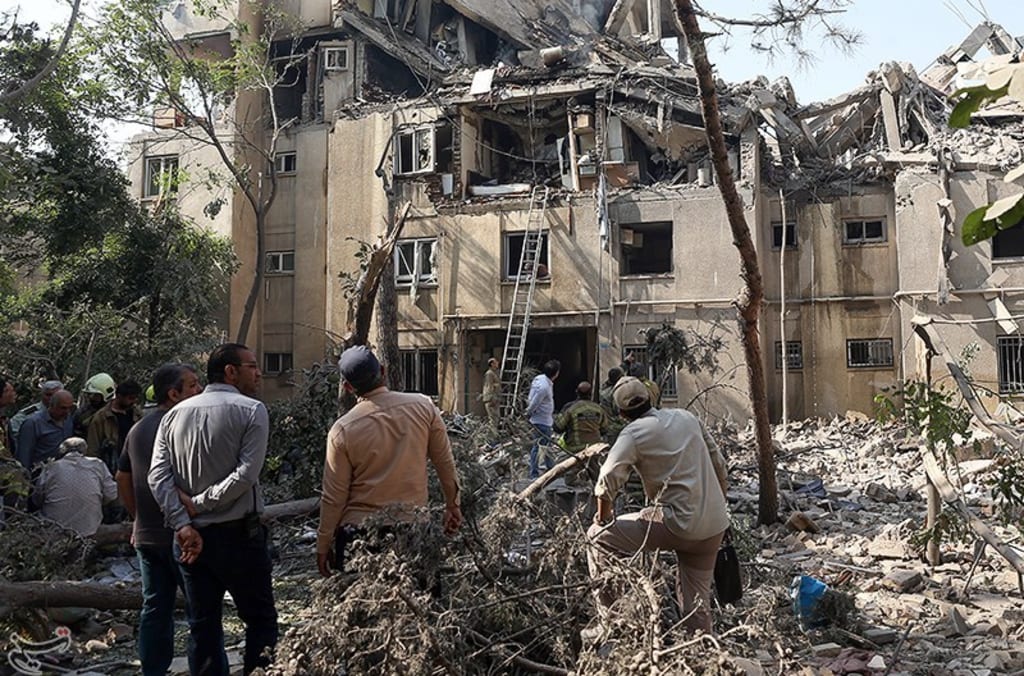
Iran erupted into unprecedented chaos after Supreme Leader Ayatollah Ali Khamenei was killed during targeted strikes on Feb. 28. Streets in Tehran filled with protesters, while retaliatory attacks hit U.S. bases in the Persian Gulf and the U.S. Embassy in Kuwait. Analysts warn that the violence could escalate into a wider regional crisis.
At least 555 people have died across 131 cities in Iran and neighboring areas, with hundreds more injured. Hospitals are at capacity. Emergency services are strained, and nationwide protests persist while regional forces and security personnel face challenges in maintaining order, according to PBS NewsHour.
Threats to the United States
The Federal Bureau of Investigation (FBI) reports that Iran has issued threats against the United States. The agency has raised the national terror alert and placed counterterrorism and intelligence teams on high alert to monitor and disrupt potential threats to the homeland.
Officials said these precautions come in response to attacks on U.S. military bases and diplomatic posts in the region, as well as the potential for cyber operations or coordinated actions targeting American interests. Federal and local agencies have increased surveillance and security measures. Authorities have updated travel advisories for personnel operating in the Middle East.
Although U.S. civilians are not confirmed targets at this time, authorities have emphasized vigilance and preparedness to prevent any potential threats from escalating domestically. The elevated alert reflects concern that Iran’s regional aggression could have indirect effects on American security.
Regional Escalation
A three-member emergency leadership council has assumed control in Iran. It includes President Masoud Pezeshkian, Chief Justice Gholam Hossein Mohseni Ejei, and cleric Ayatollah Alireza Arafi serving as interim successor. The council faces the dual challenge of maintaining order and navigating an uncertain succession. Political factions are competing for influence, according to Al Jazeera.
Authorities have imposed a nationwide internet blackout expected to last until mid-March. The blackout aims to limit protests and control the flow of information. Despite these restrictions, news of casualties, missile strikes, and unrest continues to spread through satellite communications and international media.
The conflict is drawing in regional powers. Saudi Arabia condemned Iranian attacks on Gulf nations and warned it would defend its sovereignty if strikes continue. Other Gulf countries are on high alert, closely monitoring Iranian drone and missile activity.
Hezbollah and Iranian-aligned militias in Iraq and Lebanon have reportedly launched additional attacks against U.S. and allied positions in the region. Analysts warn that continued escalation could draw multiple countries into the conflict, raising the stakes for the Middle East.
Regional leaders are increasing diplomatic pressure. Qatar, Oman, and Egypt have called for immediate talks to de-escalate the situation, while Turkey has offered to mediate between Tehran and its neighbors. Tensions remain high, and cross-border attacks could continue.
Global Impact and Economic Fallout
The unrest in Iran is sending shockwaves through the global economy. Oil prices have surged as the conflict disrupts Middle Eastern energy supplies, creating ripple effects across global markets. Americans may see higher gasoline and energy costs. U.S. companies with ties to the region face supply chain disruptions and financial uncertainty, according to Reuters.
Beyond economics, the crisis could reshape international security and diplomacy. Neighboring nations are on high alert. Global powers are closely monitoring Iran’s leadership transition. While U.S. civilians are not directly at risk, American military personnel and assets abroad could face heightened danger. Analysts warn that any miscalculation could draw multiple countries into the conflict, threatening stability worldwide and affecting global trade, humanitarian aid, and international relations.
About the Creator
Keep reading
More stories from Jacqueline Bowser and writers in The Swamp and other communities.
Comedian Katt Williams Targeted by Fake Celebrity Scam Accounts on Facebook
Comedian Katt Williams has become a recent target in the troubling trend of fake celebrity accounts on Facebook and other social media platforms, where scammers impersonate public figures to defraud unsuspecting fans. Victims of these scams are often promised exclusive content or personal interactions, only to be exploited for personal information or financial gain. These impostors create convincing profiles using Celebrities’ names and images, such as the recent cases involving comedian Katt Williams.
By Jacqueline Bowser2 years ago in Beat
A Gathering of Evil Bosses
“I’m the queen of chin jutting while I smooth my hair, attacking, insulting, and deflecting to protect my appointer.” “Oh, please, Blondi, my hair is curled, highlighted, and longer than yours. I feature television commercials telling immigrants that we will give them a free plane ride home, and if they voluntarily turn themselves in, they will be allowed to legally apply for re-entry. It runs everywhere, and I look good in it! You can’t compete because of your blond hair. Mine is nicer, and my lips are prettier than yours.”
By Andrea Corwin 12 days ago in The Swamp




Comments
There are no comments for this story
Be the first to respond and start the conversation.