
Iran Warns UAE Ports and ‘American Hideouts’ Could Be Targets After US Strike
Tensions rise in the Gulf as Iran issues warnings following US strikes on Kharg Island and threats from President Donald Trump over shipping attacks in the Strait of Hormuz.

Introduction
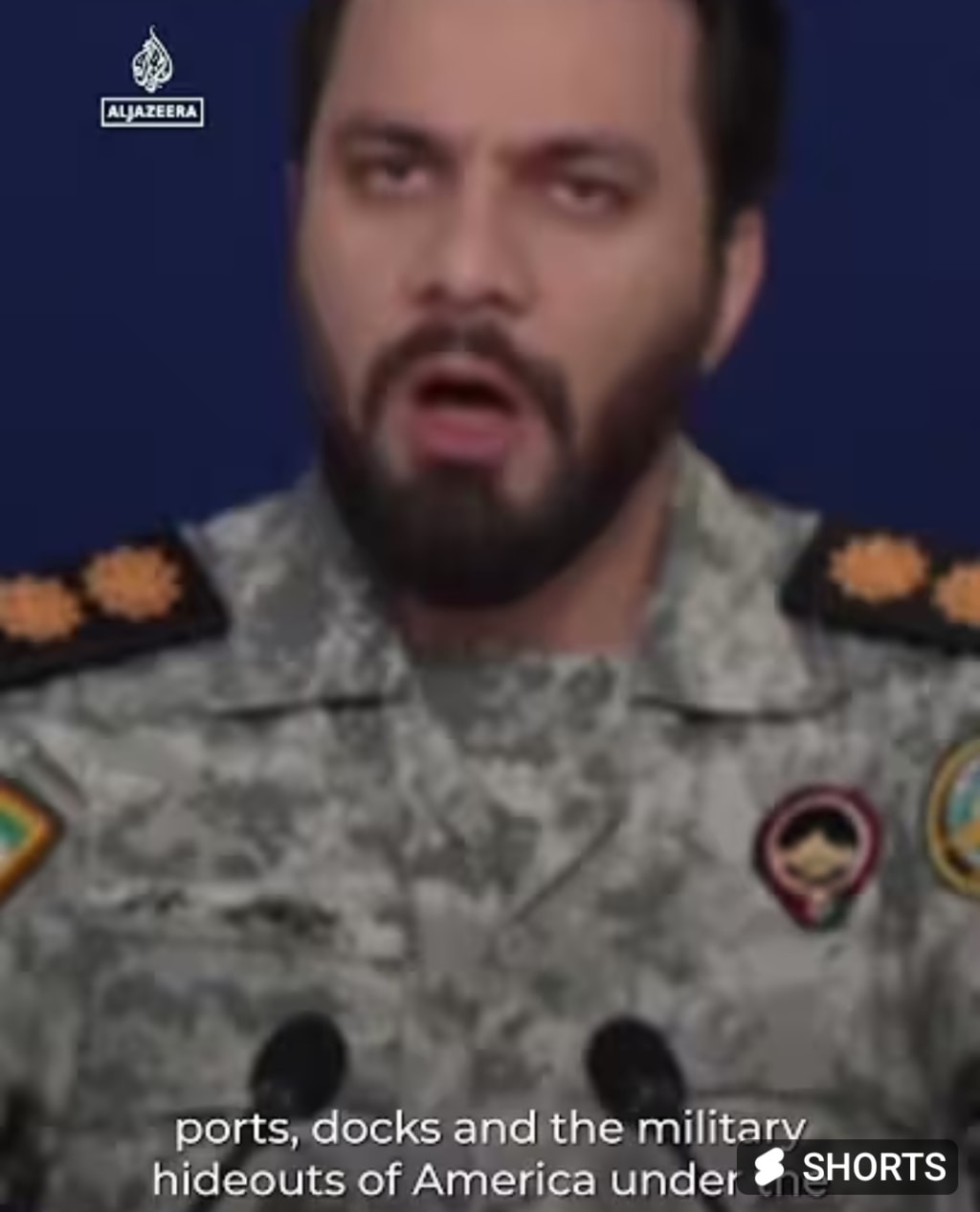
A new warning from Iran has raised concerns across the Gulf region. An Iranian military spokesperson recently stated that ports, docks, and locations described as “American hideouts” in the United Arab Emirates could become targets. The warning came shortly after United States forces carried out strikes on oil facilities on Kharg Island.
The statement also urged residents and workers near those locations to evacuate. According to Iranian officials, the message was meant to reduce civilian harm if further military actions occur.
This development comes during a period of increased tension between Iran and the United States. The situation has also drawn attention to the role of the United Arab Emirates, which hosts American military and logistical operations. At the same time, global shipping companies and governments are watching the situation closely because of its possible effect on the Strait of Hormuz, one of the most important shipping routes in the world.
Background of Rising US-Iran Tensions
Relations between Iran and the United States have been strained for many years. Disputes have involved Iran’s nuclear program, regional influence, sanctions, and military presence in the Gulf.
In recent months, tensions increased after several incidents involving commercial vessels traveling through the Strait of Hormuz. The United States has accused Iran of supporting or carrying out attacks on shipping in the area. Iranian officials have rejected those accusations and said the claims are politically motivated.
The Gulf region hosts several military bases used by the United States and its allies. The United Arab Emirates is one of the countries that provides facilities and logistical support. Because of this presence, regional infrastructure sometimes becomes part of the broader geopolitical conflict.
The current situation reflects how quickly events in the region can escalate when military actions and political warnings happen at the same time.
US Strikes on Kharg Island
The immediate trigger for Iran’s warning was a series of strikes on Kharg Island. Kharg Island is Iran’s main oil export terminal and a key part of the country’s energy infrastructure.
According to statements from Washington, the strikes were intended as a response to attacks on commercial vessels in the Strait of Hormuz. President Donald Trump warned that further strikes could target oil infrastructure if Iran does not stop actions that threaten maritime traffic.
The island plays an important role in Iran’s economy. A large share of the country’s crude oil exports passes through the facilities located there. Damage to the infrastructure could affect oil shipments and government revenue.
Iran condemned the strike and called it an act of aggression. Officials in Tehran said the country would respond if its territory or economic facilities continue to be targeted.
Iran’s Warning to the United Arab Emirates
Following the strike, an Iranian military spokesperson issued a statement mentioning the United Arab Emirates directly. The message said ports, docks, and areas used by American forces could be treated as military targets if the conflict expands.
The spokesperson referred to these locations as “American hideouts,” suggesting that Iran views them as operational bases rather than civilian areas. Residents living or working nearby were advised to leave those locations for their safety.
The statement did not name specific facilities. However, the United Arab Emirates hosts several ports that are used by international shipping and foreign military logistics.
Iran’s message appears to serve two purposes. First, it signals that Tehran is prepared to widen the scope of its response. Second, it attempts to warn civilians in advance, which officials say is meant to reduce casualties if strikes occur.
Importance of the Strait of Hormuz
At the center of the dispute is the Strait of Hormuz, a narrow waterway that connects the Persian Gulf with the Gulf of Oman. It is one of the busiest oil transit routes in the world.
A large percentage of global crude oil exports move through this corridor each day. Countries such as Saudi Arabia, Iraq, Kuwait, and the United Arab Emirates rely on the route to transport energy supplies to international markets.
Any conflict in this area can quickly affect shipping insurance costs, oil prices, and energy supply chains. Because of this, even limited military actions or threats can have economic consequences far beyond the region.
In the past, tensions in the strait have led to naval patrols, escort operations, and diplomatic negotiations. Governments and shipping companies closely monitor the situation whenever military activity increases.
The UAE’s Position in the Situation
The United Arab Emirates maintains close security relations with the United States and other Western partners. The country hosts several logistics hubs and ports that support international trade and military cooperation.
At the same time, the UAE has often tried to balance its security partnerships with regional diplomacy. Officials have previously called for stability and dialogue in the Gulf.
The Iranian warning places the UAE in a difficult position. On one side, the country maintains agreements with American forces. On the other, it must consider the safety of civilians and the importance of keeping its ports open for global commerce.
So far, Emirati officials have not released detailed comments on the warning. Security agencies in the country are expected to review potential risks to infrastructure and maritime operations.
Impact on Shipping and Energy Markets
The situation has already raised concerns among shipping companies and energy traders. Even a small risk of conflict near major ports or oil routes can lead to higher insurance costs and shipping delays.
Kharg Island is a central export point for Iranian oil, and damage to its facilities could affect regional energy supply. Meanwhile, threats against ports in the UAE could disrupt trade flows that move through the Gulf.
Companies operating vessels through the region often rely on security assessments before planning routes. If tensions continue, some vessels may avoid certain ports or request naval escorts.
Energy markets are also sensitive to political developments in the Gulf. Traders often react quickly to news about possible disruptions, which can lead to changes in global oil prices.
Concerns for Civilians and Workers
The Iranian warning specifically advised civilians near certain locations to evacuate. This includes port workers, shipping staff, and residents who live near major maritime infrastructure.
Ports in the UAE handle a large number of employees who work in logistics, maintenance, and transportation services. Many of these workers come from different countries and rely on stable operations for employment.
If the security situation changes, port authorities may increase inspections, restrict access to certain areas, or adjust operations to reduce risks. Such steps could affect daily work schedules and shipping activity.
Government agencies in the region often coordinate with private companies to ensure safety procedures are followed during periods of heightened tension.
International Reaction
The warning and the earlier strikes have drawn attention from governments around the world. Many countries rely on stable shipping through the Gulf and prefer to avoid disruptions.
Diplomatic officials in Europe and Asia have called for restraint and dialogue. They emphasize the need to protect maritime routes and reduce the chance of a wider military confrontation.
Regional organizations and international observers are also watching the situation closely. Past crises in the Gulf have shown that even small incidents can escalate if communication between governments breaks down.
Efforts to maintain diplomatic channels remain important as the situation continues to develop.
What Could Happen Next
Several possible paths could emerge in the coming weeks. One option is further military action if either side responds to new incidents. Another possibility is diplomatic negotiation aimed at reducing tensions.
Military activity near shipping routes may also lead to increased naval patrols by international forces. These patrols often aim to protect commercial vessels and maintain safe passage through the Strait of Hormuz.
Economic factors may also influence decisions. Energy markets, shipping companies, and regional governments all depend on stable trade routes.
Because of these interests, many observers believe there will be strong pressure to prevent a wider conflict.
Conclusion
The warning issued by Iran after the US strike on Kharg Island highlights the fragile security environment in the Gulf region. By mentioning ports and locations in the United Arab Emirates, Tehran signaled that regional infrastructure linked to American operations could become part of the conflict.
At the same time, the statement urging civilians to evacuate suggests that Iranian officials want to limit harm to non-military populations if tensions escalate.
With the Strait of Hormuz remaining a central route for global energy shipments, the situation carries international significance. Governments, shipping companies, and energy markets will continue to monitor developments closely.
The coming days will show whether diplomatic efforts can reduce tensions or whether the region will face further escalation. For now, the warning serves as another reminder of how quickly geopolitical disputes can affect trade, security, and daily life in the Gulf.
About the Creator
Saad
I’m Saad. I’m a passionate writer who loves exploring trending news topics, sharing insights, and keeping readers updated on what’s happening around the world.
The Forsyth House Fire
Since 1851, Forsyth House has stood on the corner of Union Street and Gordon Street in the heart of Glasgow. Its iconic, or was... because on Sunday 8th of March, 2026, a fire broke out in a small, seemingly un-named shop in the building and tore all that history down. As I write, the rubble is still unsettled and the street is still blocked off. Central Station is quiet on the upper level, and around 30 small businesses have quite literally gone up in smoke.
By S. A. Crawford3 days ago in The Swamp



Comments
There are no comments for this story
Be the first to respond and start the conversation.