Latest Stories
Most recently published stories in The Swamp.
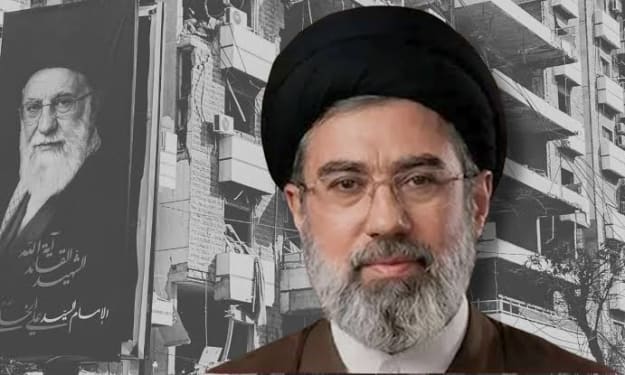
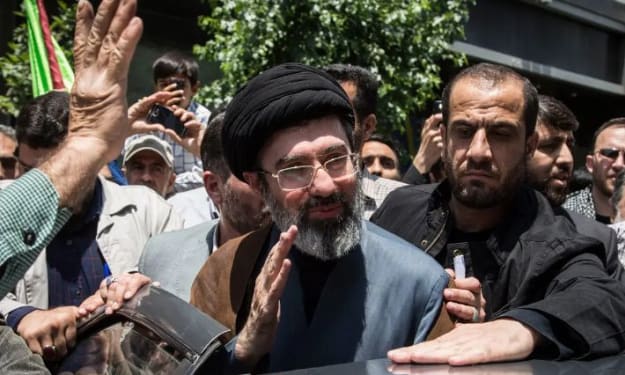
Mojtaba Khamenei Named Supreme Leader; Israel Bombs Tehran. AI-Generated.
Iran has entered a new and uncertain political chapter after clerical authorities named Mojtaba Khamenei as the country’s new supreme leader, even as Israeli airstrikes struck strategic targets in the capital, Tehran. The appointment follows the death of his father, Ali Khamenei, during the early days of the ongoing conflict involving Israel, Iran, and allied forces. The decision was made by the powerful clerical body known as the Assembly of Experts, which is responsible under Iran’s constitution for selecting the supreme leader. After several days of uncertainty and the establishment of an interim leadership council, the assembly announced that Mojtaba Khamenei would assume the country’s highest religious and political office. The appointment comes at one of the most volatile moments in Iran’s modern history. Israeli fighter jets reportedly carried out a series of strikes on energy infrastructure and strategic sites in Tehran overnight, sending large plumes of smoke into the sky and raising fears of further escalation. The attacks were part of a broader campaign targeting Iranian facilities and military leadership in response to missile and drone attacks launched by Tehran and its allies. A Controversial Succession Mojtaba Khamenei, a mid-ranking cleric long believed to wield influence behind the scenes, has rarely appeared in public or held major official positions. However, analysts say he maintained close ties with the powerful Islamic Revolutionary Guard Corps (IRGC), which has played a decisive role in Iranian politics and security. His elevation to supreme leader is significant because it marks the first time in the history of the Islamic Republic that power has effectively passed from father to son. Critics inside and outside Iran have argued that such a transition resembles a hereditary system rather than the revolutionary model established after the 1979 Islamic Revolution. Supporters of the new leader, however, argue that continuity is essential during wartime. Iranian state media described the decision as necessary to preserve stability and ensure unified leadership as the country faces external threats. Senior political figures and military commanders quickly pledged allegiance to Mojtaba following the announcement. Israeli Strikes Intensify At the same time, Israel intensified its air campaign against Iranian targets. Military officials in Israel said the strikes were aimed at degrading Iran’s military and energy infrastructure, including fuel depots and facilities believed to support missile operations. Residents in several districts of Tehran reported hearing multiple explosions overnight. Emergency services were deployed to affected areas, while authorities attempted to assess damage and secure critical infrastructure. Images circulating on social media showed large fires burning at industrial sites across the capital. The Israeli government has argued that the attacks are necessary to prevent Iran from expanding its military capabilities and threatening Israeli territory. However, the strikes have also heightened fears that the conflict could spiral into a broader regional war. Regional Tensions Rising The crisis has already spread beyond Iran and Israel. Missile and drone attacks linked to the conflict have targeted facilities in Gulf states, while Hezbollah forces in Lebanon have exchanged fire with Israeli troops along the border. The growing confrontation has raised alarms among international observers, who warn that the Middle East could face one of its most dangerous periods in decades. Meanwhile, Iran has vowed retaliation. Officials in Tehran warned that attacks on its territory would trigger responses against Israeli and allied interests across the region. Early reports indicated that Iran launched new waves of missiles and drones shortly after Mojtaba Khamenei’s leadership was announced. The international community has reacted with concern as the conflict escalates. Governments across Europe, Asia, and the Gulf have urged restraint and called for diplomatic efforts to prevent further violence. Energy markets have also reacted nervously, as any prolonged disruption in the region could affect global oil supplies. Analysts say the combination of leadership transition and military confrontation makes the situation particularly unpredictable. Mojtaba Khamenei now assumes power at a moment when Iran faces both internal uncertainty and external military pressure. A Defining Moment for Iran For Iran, the selection of Mojtaba Khamenei represents a defining political moment. The Islamic Republic must navigate the challenge of maintaining internal cohesion while confronting intensifying military pressure from Israel and its allies. Whether the new leader will pursue confrontation or attempt diplomatic engagement remains unclear. What is certain, however, is that his leadership begins amid war, economic strain, and deep geopolitical tensions. As Israeli airstrikes continue and Iran vows retaliation, the coming weeks may determine not only the future of Iran’s leadership but also the stability of the entire Middle East.
By Fiaz Ahmed 3 days ago in The Swamp
Powering the Future: Smart Energy for Modern Gatherings
Large festivals, sports games, trade shows, and concerts use a huge amount of energy. Lights, sound systems, screens, and food vendors all need reliable power. For many years, diesel generators handled this demand. However, people now see the cost of that choice. Diesel systems create pollution, noise, and fuel waste. Because of this shift in awareness, many organizers now explore sustainable power solutions for events that reduce environmental harm while still delivering reliable performance.
By Brian Casella3 days ago in The Swamp
Iranian Soccer Team Exits Women’s Asian Cup and Faces Tricky Prospect of Return Home. AI-Generated.
The Iranian women’s national football team’s campaign at the 2026 AFC Women’s Asian Cup came to a somber end on Sunday with a 2–0 defeat to the Philippines on the Gold Coast in Queensland, Australia, condemning them to an early exit from the tournament. The loss, following earlier defeats to South Korea and Australia, leaves the squad reflecting not only on their performance on the pitch but also on the profound uncertainty that awaits them as they prepare for the journey back to their homeland — where political tensions, war and allegations of persecution now loom large. The team had arrived in Australia last month ahead of the tournament, mere days before a significant escalation of conflict in the region triggered by U.S. and Israeli air strikes on Iran on February 28. That conflict has only heightened anxieties about what players — especially those visible on the international stage — might face on their return. Silence, Anthem Controversy, and the Backlash Iran’s campaign became politically charged from the outset. Before their opening match against South Korea, the team stood in silence during the national anthem, a gesture interpreted by many international commentators and human rights activists as a possible act of protest, mourning, or dissent given the wartime backdrop. That moment reverberated back home: Iranian state media branded the players “wartime traitors”, a designation with serious implications in a legal system where charges of treason can carry grave penalties. In subsequent matches — including the final group game against the Philippines — the players did sing and salute the anthem. But the damage in the eyes of state media and hardline commentators had already been done, and the controversy continued to cast a long shadow. Protesters, Petitions, and Concerns on the Gold Coast As the Iranian squad prepared to depart Australia following their exit from the tournament, dramatic scenes unfolded outside Gold Coast Stadium. Supporters and activists surrounded the team bus, chanting slogans such as “let them go” and “save our girls,” and briefly impeding its movement. Police intervened to disperse crowds of up to around 200 people in what was described as chaotic scenes. Locally based Iranian community organisations and human rights advocates have called on Australian authorities to ensure the team’s safety and to provide the players with the opportunity to seek protection if they fear persecution when returning home. One widely circulated online petition, supported by tens of thousands of people, urges Australian officials to guarantee independent legal counsel, interpreter support, and safe, private interviews for any player who expresses fear about going back to Iran. Government Response and Asylum Debate The emotional and political complexities of the situation have prompted responses at the highest levels of Australia’s government. Foreign Minister Penny Wong expressed public solidarity with the Iranian players and acknowledged the broader oppression faced by women in Iran, but stopped short of detailing any specific protection plans or whether government officials had communicated directly with the players. Advocates for the team argue that Iran’s current wartime environment — and the punitive rhetoric broadcast by state-controlled media — create credible risks of persecution, imprisonment, or worse for players labelled “disloyal” upon their return. Several former athletes and civil society groups have called on football’s governing bodies, including FIFA and the Asian Football Confederation (AFC), to intervene and uphold their obligations to protect athletes’ safety during and after competition. Some Australian lawmakers — including opposition figures — have gone further by urging the government to offer temporary protection or even asylum to team members, arguing that humanitarian commitments should take precedence in such an extraordinary case. Yet officials have reiterated that any such actions would need to adhere to standard immigration and visa processes unless players themselves formally request protection. The Road Ahead: Homecoming in Limbo For the players themselves, emotions are mixed. Iran’s coach Marziyeh Jafari has publicly stated that the squad wants to return home and be reunited with family and compatriots, emphasizing their eagerness to go back despite the tumultuous backdrop. Others within the team have voiced concern for their loved ones still in Iran, where widespread social unrest and wartime tensions persist. As arrangements for their departure from Australia are finalised, many questions remain unanswered: Will they return to a warm welcome, or face suspicion and reprisals? Does international sport carry a responsibility to protect athletes beyond the pitch? And what does this saga mean for the future of women’s sport in Iran amid a deeply polarized political climate? The answers — and the fate of these players — are still very much to be determined.
By Fiaz Ahmed 3 days ago in The Swamp
A Warm Day Arrives and New Yorkers Rush Into Spring’s Embrace. AI-Generated.
After months of bone‑chilling cold, lingering snowpack, and one of the most brutal winters in recent memory, New York City finally saw a shift in the weather this week as mild, spring‑like temperatures rolled in — prompting crowds of residents to leave their heavy coats at home and race outdoors to soak up sunshine and the feeling of renewal on the horizon.
By Fiaz Ahmed 3 days ago in The Swamp
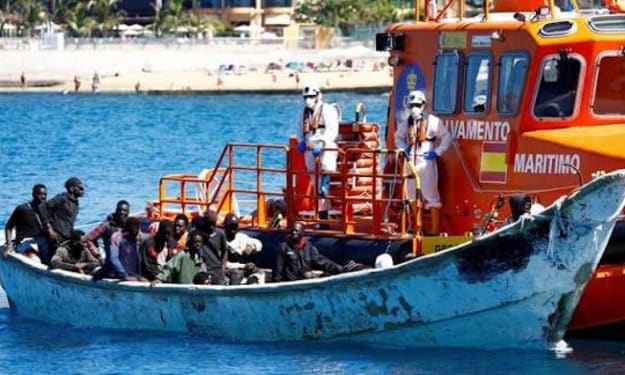
Spain’s New Amnesty Offers Legal Status, Work Rights, and Hope to Hundreds of Thousands of Undocumented Migrants. AI-Generated.
Madrid — When Spain’s government unveiled a sweeping amnesty plan in late January designed to offer legal status to hundreds of thousands of undocumented migrants, reactions ranged from political controversy to deep relief among the very people the policy aims to help. For many undocumented residents struggling on the margins of Spanish society, the initiative has been described in deeply personal terms as a “gift” and a “lifeline.” The extraordinary regularisation scheme, approved as a Royal Decree by the coalition government of Prime Minister Pedro Sánchez, will open a temporary path to legal residency and work authorisation for foreign nationals who can show they were living in Spain before Dec 31 2025 and have maintained at least five months’ continuous residence. Applicants also must have a clean criminal record to qualify. Once the programme begins in April 2026, beneficiaries will receive a one‑year renewable residence permit that immediately allows them to work legally, access Spain’s public health system, and register for social security. Estimates of the number who could benefit vary: the government cites around 500,000, while some internal police estimates suggest the figure could be as high as 750,000 – 1.1 million. “It’s Going to Help Us in Every Way” For migrants who have lived for years in legal limbo, the news has sparked genuine optimism. Diana, a 40‑year‑old from Peru who spoke with reporters in Madrid, said that life without formal status has been extremely difficult — limited job options, exploitation by employers, and exclusion from basic services have left many struggling. “It will help us in every possible way,” she said, adding that being able to earn a regular wage, pay taxes, and even start a business were among the most meaningful aspects of the amnesty. Before the programme was announced, many undocumented workers laboured in Spain’s informal economy: cleaning, construction, hospitality, agricultural fields and other low‑wage sectors where a lack of legal status left them vulnerable to exploitation and under‑payment. For these workers, the amnesty offers not just legal protection but economic inclusion — an ability to negotiate fair wages and integrate into the formal job market for the first time. Manuel, a Peruvian caregiver, explained that after losing his job when his asylum claim was rejected, he struggled to find regular employment. “Companies don’t want to hire you without residency — and if they do, they pay you less than the minimum wage,” he said. The regularisation, he added, would “allow me to work and contribute to the social security system.” A Policy Rooted in Humanitarian and Economic Logic The Spanish government has defended the measure on both humanitarian and pragmatic grounds. Officials say it acknowledges the reality that hundreds of thousands of people have made lives in Spain, contributing informally to the economy, and deserve a chance to settle with dignity. Elma Saiz, Minister for Inclusion, Social Security and Migration, underlined that foreign workers make up a significant portion of the workforce and have been essential to economic growth — particularly at a time when Spain boasts one of Europe’s lowest unemployment rates. Supporters argue the policy will generate positive economic effects: bringing informal workers into the formal economy expands the tax base, makes labor markets more transparent, and helps reduce labour exploitation. Agricultural groups and major employers have echoed this view, noting that a legalised workforce could stabilise sectors that have faced labor shortages. Political Pushback and Polarisation As expected with a major immigration reform, the amnesty has triggered fierce political debate. Conservative parties such as the People’s Party (PP) have criticised the initiative, suggesting that it rewards “illegality” and could incentivise more irregular migration. The far‑right Vox party has characterised the policy as harmful to public services and national security. Meanwhile, European partners have expressed caution, stressing that while member states can manage immigration autonomously, they must also coordinate within Schengen and the broader European Union framework to avoid policy “pull” effects that could increase migratory pressures elsewhere. A Turning Point for Migrants and Society For beneficiaries, the significance of the legalisation goes beyond economic opportunity. It represents a chance at long‑term stability: eligibility for formal housing markets, access to social services, legal protection against exploitation, and the possibility of eventually pursuing permanent residency or family reunification. “Today’s decision,” said one legal advisor working with migrants, “transforms lives. It’s not just about paperwork — it’s about dignity, safety, and being recognised as part of this society.” In a Europe where migration debates have become increasingly restrictive, Spain’s amnesty stands out as a bold attempt at inclusion — and for those who have lived in uncertainty, it could indeed help in every way.
By Fiaz Ahmed 3 days ago in The Swamp
Meet Anjali Sardana: Indian entrepreneur who built $100 million startup after studying in US. AI-Generated.
Anjali Sardana, an Indian entrepreneur in her early 30s, has emerged as one of the most promising business leaders of her generation after building a startup valued at over $100 million. Her journey, which spans continents and industries, reflects a blend of academic excellence, calculated risk-taking, and relentless determination. Born and raised in Mumbai, India, Sardana displayed an early interest in technology and business. Encouraged by her parents, she pursued a degree in computer science before winning a scholarship to study at Stanford University in United States. There, she earned a master’s degree in technology management, honing skills that would later become essential in her entrepreneurial endeavors. While studying in California, Sardana was immersed in the Silicon Valley startup ecosystem. She interned at several tech companies, gaining exposure to product development, venture capital, and startup operations. “I learned more in those six months than I had in years of classroom study,” she recalls. “Being in an environment where ideas could turn into businesses overnight inspired me to think bigger.” After completing her degree, Sardana briefly worked with a multinational tech firm, but she soon realized her ambitions extended beyond traditional corporate roles. Inspired by a desire to address inefficiencies in India’s e-commerce and logistics sector, she decided to return home to launch her own company. Her startup, SwiftChain, focuses on providing AI-driven supply chain solutions for small and medium-sized businesses in India. By automating inventory management, predicting demand, and optimizing delivery routes, SwiftChain helps retailers and manufacturers operate more efficiently while reducing costs. The company’s technology, built in-house by a team of Indian engineers, quickly gained traction among clients seeking smarter, data-driven logistics solutions. Funding, however, was one of Sardana’s earliest challenges. While she had strong academic credentials and a promising business model, securing capital in the competitive Indian startup ecosystem required persistence. She approached angel investors, participated in pitch competitions, and leveraged her Silicon Valley network to attract early-stage investment. Within two years, SwiftChain secured its first $5 million in funding, a milestone that allowed the company to expand its operations and hire top talent. By focusing on product quality and client satisfaction, SwiftChain grew rapidly. The company’s valuation reached $100 million within five years, attracting attention from international investors and major industry players. Sardana emphasizes that the growth was not accidental. “It’s about solving real problems for customers,” she says. “We didn’t just build technology for technology’s sake; we built tools that businesses actually needed.” Sardana’s leadership style has also played a key role in her company’s success. Known for her hands-on approach and commitment to mentoring her team, she fosters a culture of collaboration and innovation. “Anjali encourages us to challenge assumptions and experiment,” says one of SwiftChain’s engineers. “She treats failures as learning opportunities, which keeps the team motivated and creative.” Beyond business, Sardana is actively involved in initiatives promoting women in technology and entrepreneurship. She frequently speaks at conferences, mentors young founders, and participates in programs that encourage girls to pursue STEM education. For her, supporting the next generation of innovators is both a personal passion and a strategic investment in India’s future tech ecosystem. Looking ahead, Sardana plans to scale SwiftChain internationally, expanding into Southeast Asia and the Middle East. She is also exploring opportunities in emerging technologies such as blockchain and predictive analytics to further enhance her platform’s capabilities. Sardana’s journey illustrates the power of vision, education, and resilience in shaping a successful entrepreneurial path. From the lecture halls of Stanford to the boardrooms of India, she has shown that global exposure combined with local insight can create transformative business solutions. Her story continues to inspire young entrepreneurs across India and beyond, demonstrating that determination and innovation can turn ambitious ideas into high-impact ventures. As Sardana herself puts it, “Entrepreneurship is a journey of continuous learning. The key is to stay curious, take risks, and never lose sight of the problem you’re trying to solve.” Her journey, marked by ambition, strategic thinking, and social responsibility, serves as a blueprint for aspiring business leaders seeking to make a difference both in their industries and their communities.
By Fiaz Ahmed 3 days ago in The Swamp
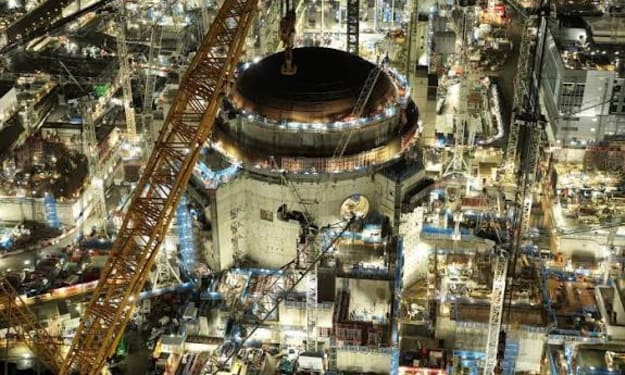
Failed nuclear projects leave households paying 40pc more for electricity. AI-Generated.
Across several countries pursuing nuclear energy expansion, troubled reactor projects have left an expensive legacy. Mounting construction delays, spiraling budgets, and abandoned plants have forced governments and utilities to recover losses through higher electricity prices, leaving households paying significantly more for power. Energy analysts say the impact is particularly visible in countries where nuclear projects were intended to provide long-term affordable electricity but instead became financial burdens. In some regions, electricity bills have risen by as much as 40 percent over the past decade as utilities attempt to recover billions of dollars invested in projects that never delivered the promised energy output. One of the most prominent examples involves the Toshiba Corporation-backed expansion of the V.C. Summer Nuclear Generating Station in South Carolina, United States. The project was abandoned in 2017 after costs ballooned to more than $9 billion without a single new reactor being completed. Despite the cancellation, electricity customers were still required to pay for the unfinished work through increased energy bills. Similarly, the troubled construction of reactors at the Plant Vogtle nuclear facility in Georgia has drawn widespread attention. Originally projected to cost around $14 billion, the project’s budget has climbed to more than $30 billion, making it the most expensive power plant ever built in the United States. Although the reactors are now nearing completion, years of delays and financing costs have pushed utilities to raise electricity rates for millions of customers. Experts say these cost overruns reflect deeper structural challenges within the nuclear power industry. Building modern reactors is an enormously complex process involving strict safety regulations, specialized engineering, and long construction timelines. Even small delays can translate into billions of dollars in additional costs. “These projects are financially risky because they require massive upfront investment,” said one energy economist studying global nuclear development. “When schedules slip or companies run into technical challenges, the costs escalate quickly—and ultimately consumers end up paying.” Outside the United States, similar issues have emerged in Europe. The construction of the Olkiluoto 3 Nuclear Power Plant in Finland became one of the most expensive reactor projects in history after its completion was delayed by more than a decade. Initially scheduled to start operating in 2009, the reactor only began commercial production in 2023 after years of legal disputes and engineering setbacks. In United Kingdom, the ongoing construction of the Hinkley Point C Nuclear Power Station has also sparked debate over the long-term cost of nuclear power. The project, backed by EDF Energy, has faced multiple delays and cost increases. Critics argue that the government’s guaranteed electricity price for the plant could leave consumers paying significantly higher power bills for decades. Supporters of nuclear energy, however, argue that focusing only on troubled projects overlooks the technology’s long-term benefits. Nuclear power plants produce large amounts of electricity with almost no carbon emissions, making them an important tool for combating climate change and reducing reliance on fossil fuels. Proponents say that once nuclear plants are operational, they can generate stable electricity for 60 years or more, providing energy security and helping stabilize power grids dominated by renewable sources such as wind and solar. Still, critics counter that the financial risks remain too high. Renewable energy technologies like wind and solar farms can be built much faster and at significantly lower cost. As a result, some governments are reconsidering whether investing in new nuclear projects is the best way to meet future energy demands. For households, the debate often feels less theoretical. Rising electricity bills have become a growing concern in many regions, especially during periods of economic pressure and inflation. Consumer advocates argue that families should not bear the financial consequences of poorly managed infrastructure projects. In response, several governments have introduced reforms aimed at limiting the financial risk of future nuclear developments. These measures include stricter oversight of construction budgets, new financing models, and greater transparency in how energy projects are funded. Despite these efforts, the legacy of failed or delayed nuclear plants continues to shape the energy landscape. Utilities still carry large debts associated with incomplete reactors, and those costs are often passed on to consumers through higher electricity prices. As countries around the world search for reliable and low-carbon energy solutions, the experience of these troubled nuclear projects offers a cautionary lesson. While nuclear power remains a potentially powerful tool in the global energy transition, the financial challenges of building new reactors highlight the importance of careful planning, realistic budgets, and strong oversight. For millions of households already facing rising electricity costs, the consequences of past mistakes are being felt every month when the power bill arrives.
By Fiaz Ahmed 3 days ago in The Swamp
Canadian Companies and Universities Join Hanwha Ocean’s Global Submarine Supply Chain. AI-Generated.
A group of Canadian companies and universities has joined the expanding global submarine supply chain led by Hanwha Ocean, marking a significant step in international collaboration in naval defense technology. The partnerships aim to combine advanced manufacturing expertise, academic research, and engineering innovation to support next-generation submarine development. The South Korean shipbuilder, headquartered in Geoje in South Korea, has been steadily expanding its international industrial network as it seeks to strengthen its position in the competitive global naval market. By bringing Canadian firms and research institutions into its supply chain, the company hopes to enhance technological capabilities while building long-term partnerships with allies. Officials from Hanwha Ocean said the cooperation will involve joint research, component manufacturing, and the sharing of engineering expertise related to submarine systems. The move also aligns with growing defense cooperation between Canada and South Korea, particularly as both nations seek to modernize naval capabilities in an increasingly complex security environment. Several Canadian technology companies specializing in marine engineering, advanced materials, and digital systems are expected to contribute key components for submarine construction. These include precision mechanical parts, underwater sensors, and advanced electronic systems designed to improve stealth, communication, and operational performance. Academic institutions are also playing an important role. Universities across Canada will participate in collaborative research programs focused on naval architecture, hydrodynamics, artificial intelligence, and underwater robotics. Through these partnerships, students and researchers will gain access to real-world defense engineering projects while helping develop technologies that could shape future naval platforms. Industry analysts say such collaborations are becoming increasingly common as modern submarines grow more complex and costly to develop. Instead of relying solely on domestic suppliers, shipbuilders are building multinational supply chains that bring together specialized expertise from around the world. For Hanwha Ocean, expanding its supply network is part of a broader strategy to strengthen its presence in international defense markets. The company has been actively promoting its submarine designs to countries seeking to modernize or expand their fleets. By working with foreign suppliers, it hopes to demonstrate both technological credibility and the ability to support global defense partnerships. Canadian officials view the partnership as an opportunity to showcase the country’s growing capabilities in marine technology and advanced manufacturing. Canada has a long history of shipbuilding and naval engineering, and its research institutions have developed strong expertise in ocean sciences and underwater technology. Experts say the collaboration could also create economic opportunities. Canadian companies involved in the program may benefit from increased exports, new contracts, and long-term participation in submarine production programs. Universities, meanwhile, will gain funding and research opportunities tied to cutting-edge defense technology. Beyond economic benefits, the partnership reflects broader geopolitical trends. As maritime security becomes more important worldwide, countries are investing heavily in naval capabilities, particularly submarines. These vessels play a critical role in deterrence, intelligence gathering, and the protection of sea lanes. By strengthening its global network, Hanwha Ocean hopes to position itself as a key player in this growing market. The company has already delivered submarines to the South Korean navy and continues to develop new designs with enhanced stealth features, longer operational endurance, and improved weapons integration. Analysts say partnerships with international partners like those in Canada could accelerate innovation. Access to diverse research capabilities and industrial expertise can help shipbuilders adapt quickly to new technological demands. While the project remains in its early stages, officials from both sides have expressed optimism about its potential impact. If successful, the collaboration could lead to further partnerships, joint research initiatives, and expanded participation by Canadian firms in global defense supply chains. For now, the agreement represents another sign of how modern defense manufacturing is evolving. In an era of complex technologies and global security challenges, cooperation between industry and academia across national borders is becoming an essential part of building the next generation of naval systems.
By Fiaz Ahmed 3 days ago in The Swamp
My Village Has Become Deserted: How Russia’s War Is Emptying Its Rural Communities. AI-Generated.
Subtitle: Conflict, conscription, and economic collapse are driving residents away from Russia’s countryside, leaving once-lively villages silent and abandoned.In many remote villages across Russia, the effects of the ongoing war with Ukraine are being felt far from the front lines. While the world often focuses on military developments and geopolitical tensions, rural communities inside Russia are quietly experiencing a different kind of devastation—depopulation. In countless small settlements scattered across the country’s vast countryside, residents say their villages are slowly emptying as young men leave for war, families relocate to cities, and local economies collapse. In the small farming village of Novaya Zarya in western Russia, longtime resident Marina Petrovna remembers when the streets were filled with children and tractors moved steadily through nearby fields. Today, the silence is overwhelming. “My village has become deserted,” she says. “Every year there are fewer houses with lights on at night.” Since the start of the war in 2022, many rural areas have seen a sharp decline in population. Young men have been mobilized into the military or have volunteered for service, often leaving behind elderly parents and abandoned homes. Some families have fled to cities or even abroad, fearing further mobilization or seeking economic stability. Demographic decline was already a serious problem in rural Russia before the war began. According to analysts, many villages had been losing residents for decades as young people migrated to urban centers such as Moscow and Saint Petersburg in search of better jobs, education, and healthcare. The war has accelerated this trend dramatically. Local officials in several regions report that schools have closed due to falling enrollment, while clinics struggle to remain open with limited staff. In some places, buses that once connected villages to nearby towns no longer run because too few people remain to justify the service. Economically, the situation has also deteriorated. Agriculture, which is the backbone of many rural communities, depends heavily on manual labor. With a significant number of working-age men gone, farms are struggling to plant and harvest crops. Some fields now lie untouched, slowly returning to wilderness. The social fabric of village life is also unraveling. Community gatherings, traditional festivals, and local markets have become rare. In villages where dozens of families once lived, only a handful of elderly residents remain. They often rely on neighbors for support, but even those networks are weakening. Experts say the problem may worsen if the conflict continues. Russia’s rural regions already face an aging population and declining birth rates. War casualties, migration, and economic hardship could deepen these demographic challenges for years to come. Sociologists warn that entire settlements could disappear. In parts of Siberia and the Russian Far East, villages have already been officially removed from maps after losing all permanent residents. Similar fates may await others if current trends continue. Despite the hardships, some residents remain determined to stay. For older villagers, leaving their homes and farmland is unthinkable. “Our parents and grandparents built this place,” says Petrovna. “Even if the village becomes empty, this is still our home.” The Russian government has announced several rural development programs in recent years, aiming to modernize infrastructure and encourage people to remain in smaller communities. However, critics argue that wartime priorities and economic sanctions have limited the impact of these initiatives. For now, the quiet transformation of rural Russia continues largely unnoticed by the outside world. While battles rage hundreds or even thousands of kilometers away, the consequences are reshaping everyday life in villages across the country. As night falls in Novaya Zarya, only a few houses glow faintly in the darkness. Where laughter, farm work, and village gatherings once defined daily life, there is now a growing stillness—an echo of a countryside slowly fading away.
By Fiaz Ahmed 3 days ago in The Swamp
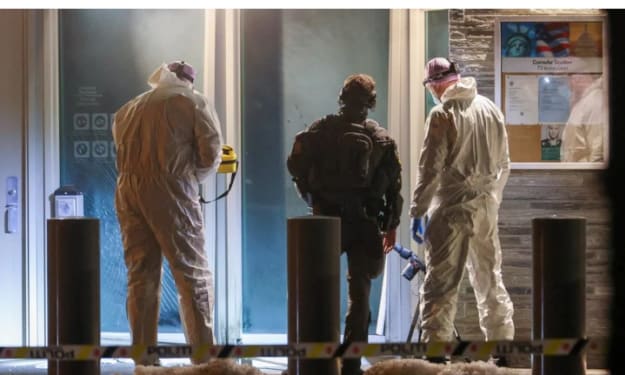
US Embassy in Oslo Hit by Explosion: What Happened and Why It Matters. AI-Generated.
A sudden explosion near the United States Embassy in Oslo, Norway, has sparked international attention and raised concerns about diplomatic security. The incident occurred in the early hours of March 8, 2026, when a loud blast shook the area around the embassy building. Although the explosion caused visible damage to the property, authorities confirmed that no one was killed and no serious injuries were reported.
By Jameel Jamali4 days ago in The Swamp