
Oil Prices Forecast to Jump Despite OPEC+ Pledge to Raise Output
Why geopolitical tensions and supply risks are outweighing production promises

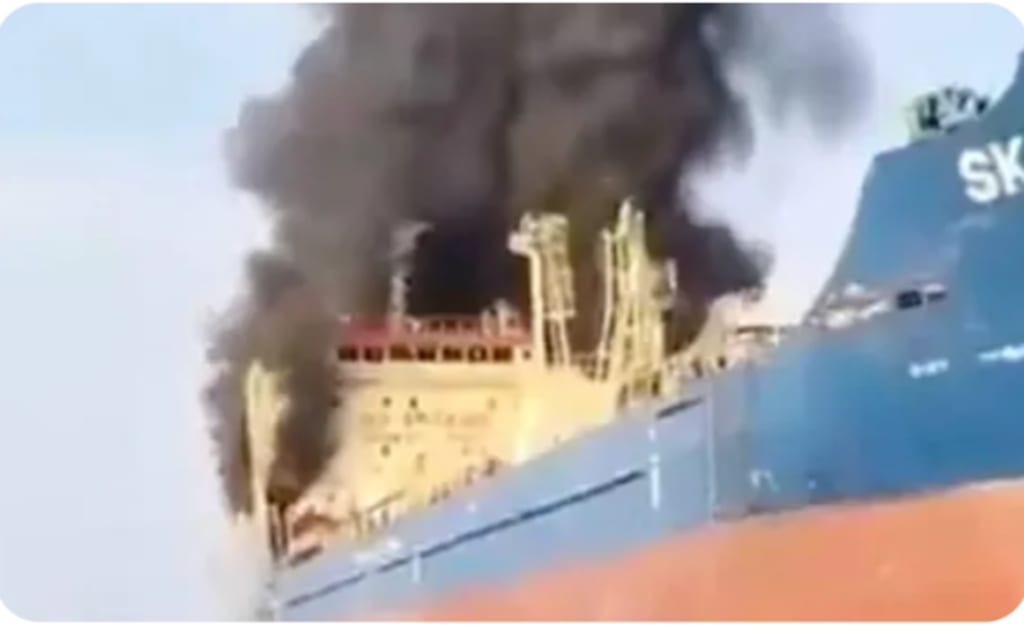
The global oil market is once again facing turbulence. Despite a pledge by OPEC+ to increase crude oil output, analysts and traders are forecasting a rise in oil prices in the coming months. At first glance, this seems contradictory—more supply should mean lower prices. But in today’s volatile energy landscape, geopolitics and market psychology are proving far more influential than production figures alone.
With conflicts intensifying in the Middle East and shipping routes under threat, the oil market is pricing in risk rather than stability. This shift highlights how fragile global energy systems have become and why even modest disruptions can send prices soaring.
A Modest Production Increase, Limited Impact
OPEC+ recently announced a plan to raise oil production by around 200,000 barrels per day starting next month. The decision was framed as a move to reassure markets and demonstrate that major producers are willing to respond to supply concerns.
However, many experts believe the increase is too small to significantly influence global prices. The world consumes nearly 100 million barrels of oil per day, making this adjustment relatively symbolic. In practical terms, it does little to counterbalance fears of supply disruptions caused by geopolitical instability.
Instead of calming markets, the announcement has been overshadowed by developments in the Middle East—particularly rising tensions involving Iran and its impact on shipping lanes.
Geopolitical Risk Is Driving Prices Up
Oil prices are extremely sensitive to conflict in major producing regions. Recent military escalations and threats to shipping routes have triggered fears that oil supplies could be interrupted at any moment.
A key concern is the Strait of Hormuz, a narrow passage through which roughly one-fifth of the world’s oil supply flows. Even the possibility of restricted access to this vital corridor creates panic in the market. Traders understand that a temporary shutdown could remove millions of barrels from circulation overnight.
This uncertainty has added what economists call a “risk premium” to oil prices. In other words, buyers are willing to pay more simply to protect themselves against future shortages.
Shipping and Insurance Add to the Problem
The risks are not limited to physical blockades. Shipping insurers have dramatically raised their premiums for tankers passing through high-risk areas. Some companies have even refused coverage altogether.
This has two major effects:
Fewer ships are willing to travel through dangerous zones.
Transportation costs rise sharply, making oil more expensive before it even reaches refineries.
These logistical challenges effectively reduce global supply without any oil wells being shut down. As a result, markets react as though production has already fallen, pushing prices higher.
Speculation and Market Psychology
Oil prices are not determined solely by physical supply and demand. Investor sentiment plays a crucial role.
When traders believe that disruptions are likely, they buy oil futures in anticipation of shortages. This speculative activity can drive prices upward even before any real supply cut occurs. In times of conflict, fear becomes a powerful force in the market.
With demand remaining steady across major economies such as China, India, and the United States, the combination of speculation and geopolitical anxiety creates a perfect storm for rising prices.
Long-Term Supply vs. Short-Term Reality
Before the current tensions escalated, many forecasts predicted relatively stable oil prices due to strong production from countries like the United States and Brazil. Non-OPEC producers have been steadily increasing output, suggesting that global supply would remain plentiful.
In theory, this should keep prices under control. But short-term risks are now dominating the outlook. Disruptions to shipping routes, higher insurance costs, and fears of wider conflict are overwhelming long-term fundamentals.
Simply put, traders care more about what might happen tomorrow than what models predict for next year.
How High Could Oil Prices Go?
Forecasts vary depending on how the situation unfolds:
Some analysts expect prices to rise toward $80 per barrel if tensions persist.
Others warn that prices could spike above $100 per barrel if shipping through the Strait of Hormuz is severely disrupted.
More cautious projections still suggest prices will remain elevated above recent averages until geopolitical risks subside.
These predictions underline how fragile the market currently is and how quickly conditions can change.
Impact on Consumers and the Global Economy
Higher oil prices affect more than just energy companies—they ripple through the entire economy.
For consumers:
Rising oil prices usually mean higher fuel costs. This translates into more expensive transportation, increased food prices, and higher utility bills. Families already struggling with inflation may feel additional financial pressure.
For businesses:
Industries such as aviation, logistics, and manufacturing face higher operating costs. These expenses are often passed on to customers, slowing economic growth.
For governments:
Policymakers may consider releasing strategic oil reserves or adjusting energy policies to stabilize prices. However, such measures are usually temporary solutions.
A Market Ruled by Uncertainty
The contrast between OPEC+’s promise to raise output and the forecasted jump in oil prices reveals a deeper truth about today’s energy market: geopolitical risk now outweighs production policy.
Even when oil producers act responsibly, external forces—conflict, insurance costs, and fear—can dominate price movements. The modest supply increase announced by OPEC+ may look reassuring on paper, but it pales in comparison to the scale of potential disruption from regional instability.
Final Thoughts
Oil prices are expected to rise not because of a shortage today, but because of uncertainty about tomorrow. The world’s dependence on fragile shipping routes and politically sensitive regions makes energy markets highly reactive to conflict.
Until tensions ease and shipping lanes are secured, oil prices are likely to remain elevated despite increased production. For consumers and governments alike, this serves as a reminder that energy security is not just about how much oil is produced—but about how safely and reliably it can reach the world.
In today’s climate, perception can be just as powerful as physical barrels of crude. And right now, the perception is clear: risk is winning over reassurance.
About the Creator
Sajida Sikandar
Hi, I’m Sajida Sikandar, a passionate blogger with 3 years of experience in crafting engaging and insightful content. Join me as I share my thoughts, stories, and ideas on a variety of topics that matter to you.
Keep reading
More stories from Sajida Sikandar and writers in The Swamp and other communities.
China Urges Immediate Ceasefire After US, Israel Strike Iran
The Middle East has once again found itself on the edge of a widening war. Following coordinated military strikes by the United States and Israel on Iranian targets, global powers are scrambling to respond. Among the loudest voices calling for restraint is China, which has urged an immediate ceasefire and emphasized the need to respect Iran’s sovereignty, security, and territorial integrity.
By Sajida Sikandar2 days ago in The Swamp
The Saddest Thing - The Billionaires Who Rule America Aren't Even Enjoying Themselves
This single post says more about our ruling class than a thousand policy papers. The saddest thing about today's system is that the men robbing the rest of us - sabotaging our economic prospects, our pensions, our access to affordable healthcare - are not even happy.
By Scott Christenson🌴24 days ago in The Swamp
When the Shelter Closes
Across the street from my house, a man slept under a tree, his dog by his side. My first, naive thought: he must be traveling through. But he kept coming back, often sleeping there during the day. Then it hit me—that person might not have a home.
By Bride of Sound5 days ago in Humans


Comments
There are no comments for this story
Be the first to respond and start the conversation.