finance
Money talks; reviewing the global economy, government spending, taxes, and economic policy that affect our social and political future.
Oil Prices Forecast to Jump Despite OPEC+ Pledge to Raise Output. AI-Generated.
The global oil market is once again facing turbulence. Despite a pledge by OPEC+ to increase crude oil output, analysts and traders are forecasting a rise in oil prices in the coming months. At first glance, this seems contradictory—more supply should mean lower prices. But in today’s volatile energy landscape, geopolitics and market psychology are proving far more influential than production figures alone.
By Sajida Sikandar2 days ago in The Swamp
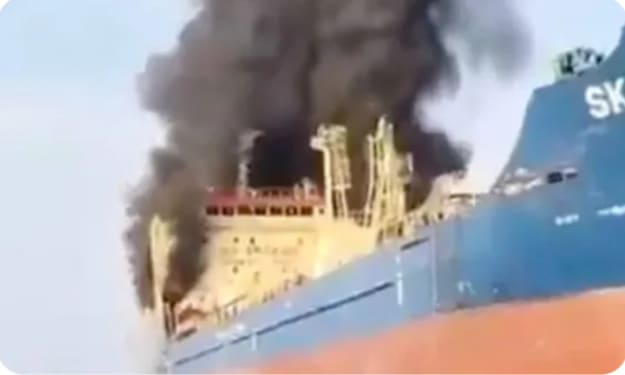
Kuwait stock exchange halts trading until further notice amid US, Israel strikes in Iran. AI-Generated.
The Boursa Kuwait announced on March 1, 2026 that it has suspended all trading activities until further notice as Kuwait grapples with escalating geopolitical tensions triggered by coordinated strikes on Iran involving United States and Israel. The rare move underscores the growing economic fallout from a conflict that has roiled financial markets and raised fears of broader regional instability. In an official statement, Boursa Kuwait said the decision to halt trading was made by its Board of Commissioners in coordination with the Capital Markets Authority. Citing “exceptional circumstances,” the exchange said the suspension aims to protect investors’ interests, preserve market integrity, and uphold orderly functioning amidst uncertainty surrounding security conditions and regional economic disruption. Officials emphasized that all technical systems remain fully operational and that investors’ funds and financial positions are secure in accordance with regulatory frameworks. The suspension comes as financial hubs across the Gulf experience heightened volatility. Regional stock markets tumbled in early trading on Sunday, with indices in Saudi Arabia, Oman, and Egypt all posting significant declines in response to the escalating crisis. Analysts believe markets are pricing in the elevated geopolitical risk premium as investors seek safer assets amid fears of prolonged disruption to trade, shipping routes and economic activity. The immediate catalyst for heightened tension was a series of strikes attributed to the United States and Israel targeting Iranian positions, which Iranian authorities said resulted in the death of Supreme Leader Ayatollah Ali Khamenei. Tehran responded with retaliatory attacks on U.S. targets in Gulf cities, according to international news agencies, triggering airspace closures, regional alerts, and even disruptions to major airports and civilian infrastructure. Witnesses also reported explosions in cities such as Dubai and Doha, further underscoring the volatility of the situation. The suspension of trading in Kuwait marks a departure from normal market operations and reflects the acute uncertainty faced by financial regulators. Large-scale trading halts are unusual except in circumstances such as war, natural disasters or extreme economic distress. In this case, authorities have clearly prioritized financial stability and investor protection over normal market activity, signaling that developments in the geopolitical arena have the potential to directly affect economic infrastructure. Investors have reacted swiftly to the news. With markets closed in Kuwait, traders and portfolio managers are left awaiting guidance on when normal operations might resume. The suspension also raises concerns about liquidity, price discovery and the broader impact on regional capital flows. While global markets are monitored continuously, localized trading halts can lead to delays in investment decisions and heightened anxiety among market participants. Economists argue that while temporary closures may mitigate panic selling, prolonged disruptions could erode investor confidence, particularly among foreign portfolios. The Gulf region plays a crucial role in global energy exports, and any risk that affects shipping lanes, such as the Strait of Hormuz, could have significant repercussions on global oil markets and inflationary pressures worldwide. Higher oil prices often translate into increased costs for consumers and can influence exchange rates, bond yields, and commodities pricing in international markets. Meanwhile, governments and financial authorities in the region continue to monitor the situation closely. Boursa Kuwait officials have pledged to provide updates to stakeholders through official channels and confirmed that emergency and continuity plans are in place to manage market infrastructure during the suspension. Market participants have been urged to stay informed through the exchange’s verified communications to avoid misinformation and misinformation-driven panic. For now, the suspension of trading in Kuwait stands as a stark reminder of how geopolitical conflict can spill over into economic and financial systems. While Kuwait works to ensure the safety and stability of its markets, investors, regulators and governments across the region watch closely, hoping for de-escalation that could allow markets to reopen and normal trading to resume. The situation remains fluid, with market reopening tied closely to broader developments on the geopolitical front.
By Fiaz Ahmed 2 days ago in The Swamp
Rupee Ends Week Strongly Against Majority of Popular Currencies. AI-Generated.
After a week marked by cautious optimism and renewed confidence in Pakistan’s financial outlook, the Pakistani rupee has ended the trading week on a strong note against a majority of popular international currencies. This performance comes as a welcome development for investors, importers, and consumers who have long faced the pressures of inflation and currency volatility.
By Sajida Sikandar3 days ago in The Swamp
Switching Energy Deal Can Save £200 as Price Cap Falls, Say Experts. AI-Generated.
Energy experts are urging households to review their gas and electricity tariffs after the latest price cap reduction opened a potential savings window of up to £200 per year. While many consumers remain on standard variable tariffs protected by the energy price cap, analysts say switching to competitive fixed deals could now offer meaningful financial relief.
By Aarif Lashari4 days ago in The Swamp
US Dollar Price Forecast: DXY Dips on Tariff Risk – Are GBP/USD & EUR/USD Set to Fly?. AI-Generated.
The U.S. dollar has entered a fragile phase as markets digest renewed concerns over trade tariffs, slowing economic momentum, and shifting central bank expectations. The U.S. Dollar Index (DXY), which measures the greenback against a basket of major currencies, has recently slipped toward the 97.5 zone, signaling a cautious tone among investors.
By Sajida Sikandar5 days ago in The Swamp
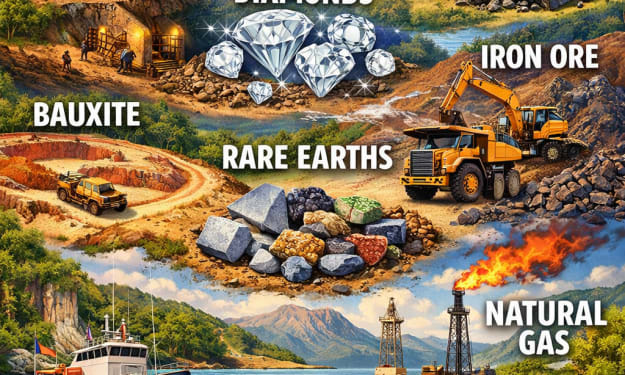
What resources does Venezuela have — apart from the world’s most oil?
Largest known oil reserves Venezuela has the world’s largest proven oil reserves, estimated at 303 billion barrels as of 2023, more than five times the amount the United States has, which is 55.25 billion barrels.
By Ibrahim Shah 6 days ago in The Swamp