
Target to Pull Cereals With Synthetic Colours From Its Shelves
Retail Giant Responds to Health Concerns and Consumer Demand for Cleaner Ingredients
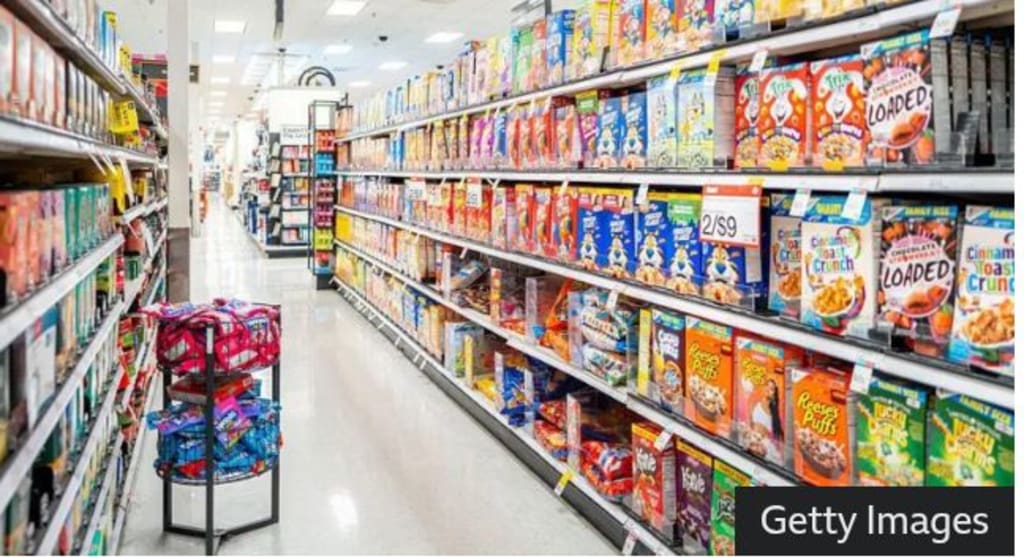
In a move that signals shifting consumer expectations and mounting scrutiny over food additives, Target has announced plans to pull cereals containing synthetic colours from its shelves. The decision places one of America’s largest retailers at the center of a growing national conversation about food transparency, children’s health, and corporate responsibility.
For decades, brightly colored cereals have dominated supermarket aisles, marketed heavily toward families and children. The vibrant reds, blues, and yellows often owe their appeal to synthetic dyes derived from petroleum-based compounds. While these additives are approved for use in the United States, they have faced increased criticism from advocacy groups and some researchers who argue that artificial colours may be linked to behavioral concerns in certain children.
Target’s decision, while not banning specific brands outright, signals a clear expectation: if cereal manufacturers want shelf space in its stores, they will need to reformulate products to remove synthetic dyes. This shift could trigger ripple effects across the packaged food industry.
Why Synthetic Colours Are Under Fire
Synthetic food dyes—such as Red 40, Yellow 5, and Blue 1—have long been approved by the U.S. Food and Drug Administration. Regulators maintain that these additives are safe when consumed within established limits. However, consumer attitudes are evolving faster than regulatory standards.
Over the past decade, parents and advocacy organizations have raised concerns that artificial food dyes may contribute to hyperactivity or behavioral challenges in some children. Though scientific consensus remains complex and sometimes inconclusive, the perception of risk has been enough to influence buying habits. In an era where ingredient labels are scrutinized like never before, synthetic colours increasingly appear out of step with consumer demand for “clean labels” and recognizable ingredients.
Internationally, some European countries require warning labels on foods containing certain synthetic dyes. That contrast has fueled debate in the United States, with critics asking why similar cautionary measures are not more widely adopted domestically.
The Power of Retailers to Shape the Market
Retailers like Target wield immense influence over food production. By setting ingredient standards for the products they stock—especially private-label items—they can drive reformulation across entire categories.
Target has previously expanded its in-house brands to emphasize simpler ingredient lists and fewer artificial additives. By extending this philosophy to cereals, the company is leveraging its market position to accelerate change. Suppliers now face a clear business calculation: adapt to meet retailer standards or risk losing valuable shelf space.
This strategy mirrors actions taken by other grocery chains in recent years, though not always with uniform consistency. Retail giants such as Walmart and specialty chains like Whole Foods Market have introduced ingredient guidelines for certain store-brand products. However, Target’s direct stance on synthetic colours in cereals represents one of the more focused category-specific moves in the industry.
If successful, this initiative could set a precedent. Manufacturers often prefer standardized national formulations rather than maintaining separate ingredient lists for different retailers. As a result, one retailer’s policy can cascade across supply chains.
Consumer Trends Driving the Decision
The announcement aligns with broader consumer trends. Shoppers—especially millennials and Gen Z parents—are increasingly prioritizing natural ingredients and minimal processing. Sales of organic and naturally colored products have climbed steadily, reflecting a desire for foods perceived as healthier and more transparent.
Social media has amplified this shift. Parents frequently share ingredient comparisons online, and influencers regularly call out products containing artificial additives. This digital scrutiny has created reputational risks for brands that appear resistant to change.
Target’s brand identity, which blends affordability with trend-conscious merchandising, positions it to respond swiftly to these preferences. By removing cereals with synthetic colours, the company reinforces its image as a retailer attentive to evolving health and wellness expectations.
Industry Response and Reformulation Challenges
For cereal manufacturers, the path forward is not without challenges. Synthetic dyes are inexpensive, stable, and highly effective at producing bright, uniform colors. Natural alternatives—derived from sources like beet juice, turmeric, or spirulina—can be more costly and may vary in intensity or shelf stability.
Reformulating recipes can require extensive research and development. Companies must ensure that taste, texture, and visual appeal remain consistent. For products aimed at children, visual vibrancy is a key marketing feature. Balancing that appeal with natural ingredients demands innovation.
Yet many major brands have already demonstrated that reformulation is possible. In recent years, several cereal makers have introduced dye-free versions of popular products or shifted to natural color sources in certain markets. If Target’s move gains traction, such efforts could accelerate.
Public Health and Policy Implications
Target’s decision may also influence broader policy discussions. While regulatory agencies maintain that approved dyes are safe, increased retailer action could prompt renewed scientific evaluation and legislative debate.
Consumer advocacy groups argue that voluntary corporate measures are only part of the solution. They contend that consistent federal standards would provide clarity for both manufacturers and families. Others caution that removing synthetic dyes without definitive scientific consensus could contribute to unnecessary alarm.
Still, public health debates often evolve through a combination of consumer pressure, corporate adaptation, and regulatory review. Target’s policy adds momentum to that dynamic.
What This Means for Shoppers
In practical terms, customers may begin noticing changes in the cereal aisle over the coming months. Some products could quietly disappear, while others return with updated ingredient lists and slightly altered hues.
For families concerned about artificial additives, the move simplifies decision-making. Rather than scrutinizing every box, shoppers may trust that products on Target’s shelves meet a certain ingredient standard.
However, price remains a consideration. Natural reformulations can increase production costs, potentially affecting retail prices. Whether consumers are willing to absorb those increases will help determine the long-term sustainability of the shift.
A Sign of Broader Transformation
Target’s decision to pull cereals with synthetic colours is about more than breakfast. It reflects a broader transformation in how Americans think about food—less as a shelf-stable commodity and more as a reflection of health values and lifestyle priorities.
In the competitive retail landscape, differentiation matters. By aligning itself with ingredient transparency and perceived wellness, Target positions itself at the forefront of a consumer-driven movement.
The breakfast aisle may look a little less neon in the future. But for many families, that change represents something brighter: a retail industry listening closely to what shoppers want on their tables—and what they no longer do.
About the Creator
The Saddest Thing - The Billionaires Who Rule America Aren't Even Enjoying Themselves
This single post says more about our ruling class than a thousand policy papers. The saddest thing about today's system is that the men robbing the rest of us - sabotaging our economic prospects, our pensions, our access to affordable healthcare - are not even happy.
By Scott Christenson🌴24 days ago in The Swamp




Comments
There are no comments for this story
Be the first to respond and start the conversation.