
Trump Administration Loses Push to Delay Tariff Refund Fight
Court Rejects Delay Request, Clearing Path for High-Stakes Tariff Refund Showdown
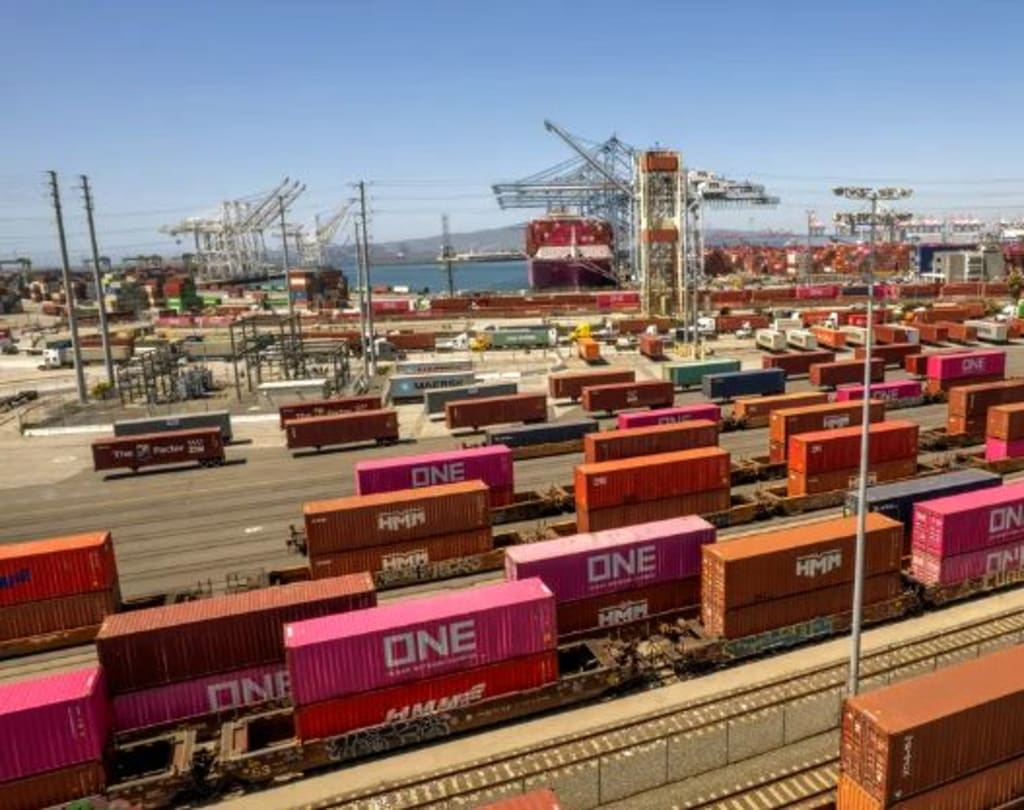
The long-running legal battle over U.S. tariff refunds took a decisive turn this week after the Trump administration failed in its effort to delay court proceedings, a setback that could accelerate decisions affecting billions of dollars paid by American importers. The ruling keeps alive a high-stakes confrontation between the federal government and businesses that argue they were unfairly charged under sweeping trade measures imposed during the presidency of Donald Trump.
At the heart of the dispute are tariffs introduced during the administration’s aggressive trade agenda, particularly those levied on Chinese goods under Section 301 of U.S. trade law. Importers contend that some of these duties were imposed unlawfully or without adequate justification, and they are now seeking refunds for tariffs already paid. The government, however, has warned that paying out such claims could strain public finances and disrupt ongoing trade policy.
A failed attempt to slow the clock
In its latest move, the Trump administration asked the court to pause—or significantly delay—the litigation, arguing that parallel policy reviews and administrative processes should be allowed to run their course first. Government lawyers maintained that proceeding too quickly could lead to inconsistent outcomes or force agencies to make decisions before broader trade strategies were finalized.
The court was unconvinced. In denying the request, judges emphasized that importers have waited years for clarity and that further delays would risk undermining confidence in the legal system. By rejecting the administration’s push, the court effectively cleared the way for the tariff refund cases to move forward on their existing timeline.
The decision came from the U.S. Court of International Trade, a specialized federal court that handles disputes involving customs and international trade laws. Its rulings often have wide-ranging implications for global commerce, supply chains, and U.S. trade relationships.
Why the refund fight matters
The tariff refund battle is not merely a technical legal skirmish. For many companies—especially small and mid-sized importers—the stakes are existential. Businesses argue that they paid duties under protest while awaiting legal review, tying up capital that could have been invested in expansion, hiring, or price stability for consumers.
Industry groups estimate that potential refunds could reach into the tens of billions of dollars if courts ultimately side with importers. Such a payout would represent one of the largest reversals of trade-related revenue in recent U.S. history. Supporters of the refund claims argue that the government must be held accountable if it exceeded its authority or failed to follow required procedures.
On the other side, federal officials warn that a massive refund obligation could complicate budget planning and weaken the government’s leverage in future trade negotiations. They also argue that tariffs were a central tool in confronting what the administration described as unfair trade practices, particularly by China, and that undoing them retroactively could dilute their intended impact.
Legal arguments taking center stage
With the delay denied, attention now shifts back to the substance of the case. Importers are challenging the tariffs on procedural grounds, alleging that the administration did not properly justify certain duty increases or failed to comply with statutory requirements for notice and comment.
The government counters that the tariffs were imposed under clear legal authority and that courts should defer to executive judgment in matters of national trade policy. The clash raises broader constitutional questions about the limits of presidential power in setting trade policy and the role of the judiciary in reviewing such decisions.
Legal analysts say the court’s refusal to delay proceedings signals a willingness to scrutinize those claims closely rather than allow them to linger indefinitely. While the ruling does not determine the outcome of the refund fight, it does suggest that judges are mindful of the economic uncertainty prolonged litigation creates.
Political and economic ripple effects
Although the Trump administration is no longer in office, the case continues to carry political resonance. Tariffs remain a contentious issue in Washington, with critics blaming them for higher consumer prices and strained alliances, while supporters credit them with reshaping trade negotiations and pressuring foreign governments.
The outcome of the refund litigation could influence how future administrations approach trade enforcement. A ruling favorable to importers may encourage more aggressive legal challenges to tariffs, while a government victory could reaffirm broad executive authority in trade matters.
Economists are also watching closely. If refunds are ordered, companies may pass some of that relief on to consumers, potentially easing prices in certain sectors. Conversely, uncertainty over the case may continue to affect supply chain planning, as firms remain cautious about future trade policy shifts.
What happens next
With the bid for delay rejected, the court is expected to move forward with briefing schedules, hearings, and potentially summary judgments. A final decision could still be months away, and appeals are likely regardless of the outcome. In the meantime, importers and policymakers alike are bracing for a ruling that could redefine the balance between trade policy ambition and legal accountability.
For now, the court’s message is clear: the fight over tariff refunds will not be put on ice. As the legal process advances, the legacy of the Trump-era trade wars continues to reverberate through courtrooms, boardrooms, and the broader U.S. economy—underscoring how decisions made years ago can shape economic realities long after the policies themselves are debated.
About the Creator
The Saddest Thing - The Billionaires Who Rule America Aren't Even Enjoying Themselves
This single post says more about our ruling class than a thousand policy papers. The saddest thing about today's system is that the men robbing the rest of us - sabotaging our economic prospects, our pensions, our access to affordable healthcare - are not even happy.
By Scott Christenson🌴24 days ago in The Swamp
RFA Argus Set to be Towed Away as Royal Navy Confirms Scrapping Plan
Britain’s venerable support ship, RFA Argus, is set to be towed away for scrapping after the Royal Navy confirmed plans to retire one of its longest-serving vessels. The decision marks the end of more than four decades of service for a ship that played notable roles in humanitarian missions, training operations, and global deployments. The Ministry of Defence (MoD) issued a statement acknowledging Argus’s contribution to the UK’s maritime capabilities while noting that evolving operational requirements and budgetary constraints have made continued service untenable. “After careful review, the decision has been made to withdraw RFA Argus from service and dispose of the vessel through scrapping,” the statement said, adding that the ship will be decommissioned and prepared for recycling later this year. A Storied Career Comes to a Close Commissioned in 1981, Argus served initially as a civilian container ship before being acquired and converted by the Royal Fleet Auxiliary into a multi-role aviation training and casualty reception platform. The ship was later fitted with a full hospital suite, operating theatres, and medical wards, enabling it to provide vital support in humanitarian crises as well as military operations. Over the decades, Argus saw action in numerous theatres, including the Falklands War, where it contributed critical support functions. In 2014, it deployed to West Africa as part of the international response to the Ebola outbreak, acting as a floating treatment and training facility. In 2020, Argus served as a hospital and logistics hub during the COVID-19 pandemic, reinforcing its reputation as a flexible asset in times of need. Naval analysts described Argus as “a workhorse of capability,” capable of bridging gaps in operational capacity when conventional warships were otherwise committed. Its retirement, many experts say, reflects broader shifts in defence priorities — with emphasis moving toward high-end combat platforms and unmanned systems rather than traditional auxiliary vessels. Strategic and Budgetary Pressures The decision to scrap the ship comes amid ongoing budgetary pressures on the UK defence establishment. Fiscal constraints have forced the MoD to reassess the composition of its fleet as it strives to invest in next-generation submarines, destroyers, and carrier strike capabilities. While these investments are seen as essential for future conflict deterrence, the retirement of Argus highlights the challenges of balancing high-end combat needs with softer power capabilities such as humanitarian response. In parliamentary testimony earlier this month, Defence Secretary Grant Shapps defended the decision, saying the Royal Navy must “focus on platforms that meet the strategic threats of the future.” He added that lessons learned from Argus’s deployments would inform the design of future support capabilities, including potential partnerships with allied navies. However, some critics — including former naval officers and defence commentators — have voiced concern that scrapping Argus could leave a capability gap. “It was unique in its combination of aviation training, casualty reception, and humanitarian assistance,” said retired Rear Admiral Jonathan Sharpe. “Losing that platform without a ready replacement risks diminishing the UK’s ability to respond to crises where soft power is needed most.” Navigating Decommissioning and Disposal The decommissioning process, scheduled to begin in coming months, will see Argus stripped of all sensitive equipment, with usable systems transferred to other platforms where possible. The hull and remaining structure are expected to be sold to a recycling yard specializing in environmentally compliant scrapping, in line with international regulations on ship disposal. MoD officials stressed that scrapping choice was guided by environmental and safety standards, ensuring that hazardous materials such as asbestos and fuel residues are handled responsibly. Plans also include support for former crew members impacted by the ship’s retirement, with transition assistance and reassignment opportunities within the Royal Navy and RFA where available. Legacy and Future Prospects For many servicemembers who sailed aboard Argus, the ship holds deep personal and professional significance. Veteran crews remember its versatility, camaraderie, and the sense of purpose in missions that ranged from warfighting exercises to pandemic response. As Argus heads toward dismantling, discussions are already underway about how to preserve its history, with proposals for museum exhibits, oral history projects, and archival materials to ensure the ship’s legacy is not lost. The end of RFA Argus’s operational life underscores the evolving nature of naval power in the 21st century. While the Royal Navy moves toward modernization and transformation, the retirement of a vessel that served both in war and humanitarian relief is a reminder of the multifaceted roles that navies play — and the difficult choices that come with transitioning to the next generation of maritime capability.
By Fiaz Ahmed 6 days ago in The Swamp




Comments
There are no comments for this story
Be the first to respond and start the conversation.