
US Attack in Iran Poses Bigger Risk to Energy Market Than Venezuela
How Middle East Tensions Could Send Shockwaves Through Global Oil Markets Far Beyond South America
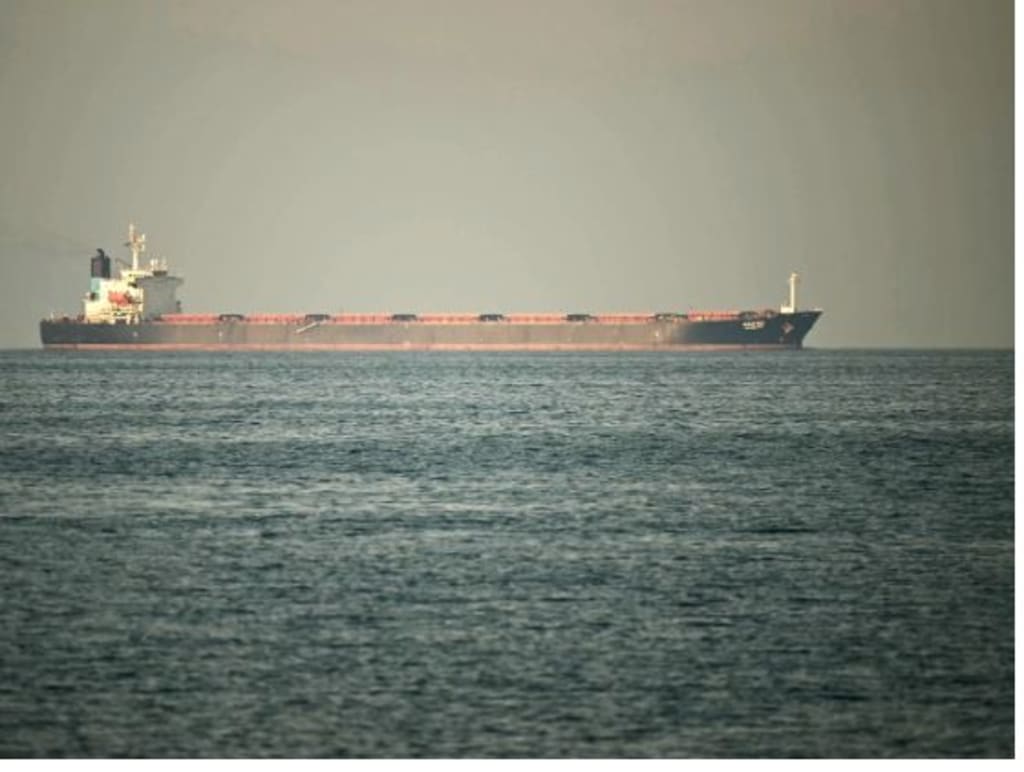
When geopolitical tensions flare in oil-producing regions, energy markets react almost instantly. But not all oil disruptions are created equal. The recent U.S. military strike in Iran has triggered concern among analysts who say the ripple effects could be far more severe for global energy markets than ongoing instability in Venezuela.
At first glance, both nations are major oil producers with complex political landscapes. But the strategic and economic realities tell a very different story.
Let’s break down why Iran represents a much bigger risk to the global energy system.
The Geography That Changes Everything
The biggest difference between Iran and Venezuela isn’t just production levels — it’s geography.
Iran sits along the Strait of Hormuz, one of the most critical oil transit chokepoints in the world. Roughly one-fifth of global crude oil shipments pass through this narrow corridor each day.
If conflict escalates and shipping through the Strait is disrupted — even temporarily — the impact would be immediate and global.
Venezuela, by contrast, exports oil directly across the Atlantic and does not control a strategic transit route that carries oil for multiple nations. Its disruptions mainly affect its own output, not the global transport system.
That difference alone explains why markets treat Iranian instability as a systemic threat.
Production Volumes Matter — But So Does Timing
Iran produces approximately 3 to 3.5 million barrels of oil per day. Venezuela’s output has hovered around 700,000 to 800,000 barrels per day in recent years.
That means Iran’s production is several times larger — but there’s another factor at play: unpredictability.
Venezuela’s decline has been gradual and largely priced into markets over time due to sanctions, underinvestment, and infrastructure challenges. Investors understand the pattern.
An armed conflict involving Iran, however, introduces sudden shock risk. Markets dislike uncertainty. Even the possibility of retaliation affecting oil infrastructure can push prices sharply higher.
Energy markets don’t just respond to lost barrels — they respond to fear of lost barrels.
Why the Strait of Hormuz Is the Real Flashpoint
The Strait of Hormuz handles oil shipments not only from Iran but also from Saudi Arabia, Iraq, Kuwait, and the United Arab Emirates.
If military tensions were to impact tanker traffic:
Shipping insurance costs would surge
Delivery times would increase
Oil traders would build in risk premiums
Prices could spike rapidly
Even without a full closure, minor skirmishes or naval threats could rattle markets.
Venezuela simply does not have the leverage to disrupt global supply routes in this way.
Immediate Market Reactions
Following news of U.S. strikes in Iran, oil prices experienced upward pressure as traders began pricing in escalation risk.
Why?
Because energy markets are forward-looking. They calculate not only current supply, but the probability of future disruptions.
If tensions cool, prices may stabilize. But if the situation intensifies — especially involving shipping lanes or oil infrastructure — prices could climb sharply.
Historically, Middle East conflicts have triggered price surges far more dramatic than South American production declines.
The Broader Economic Ripple Effect
Oil price volatility doesn’t stay confined to energy markets. It spreads quickly.
Higher crude prices can lead to:
Increased gasoline prices
Rising transportation costs
Elevated manufacturing expenses
Inflationary pressure globally
In economies still stabilizing from recent global shocks, another sustained oil spike could complicate monetary policy and slow economic growth.
The world economy is deeply interconnected with Middle Eastern oil transit routes in a way that Venezuelan supply issues alone cannot replicate.
Strategic Leverage and Political Signaling
Iran’s geographic position gives it strategic leverage in times of conflict. Even rhetorical threats regarding the Strait of Hormuz can influence global pricing.
Meanwhile, Venezuela’s oil sector struggles primarily stem from domestic governance and sanctions rather than active military escalation with major powers.
One scenario represents structural economic decline.
The other represents potential wartime escalation.
Markets treat those risks very differently.
What Could Happen Next?
Several variables will determine how energy markets respond in the coming weeks:
1. Escalation or Containment
If diplomatic channels prevent further military confrontation, market fears may ease.
2. Shipping Activity in the Strait
Any confirmed disruptions in tanker movements would likely trigger immediate price spikes.
3. OPEC+ Response
Other producers could attempt to stabilize supply if Iranian exports fall.
4. Infrastructure Targeting
If oil production facilities or export terminals are damaged, the situation would escalate dramatically.
Right now, markets are reacting to risk — not confirmed supply collapse.
Why Analysts See Iran as the Bigger Energy Threat
In summary, the difference comes down to three key factors:
Scale — Iran produces significantly more oil than Venezuela.
Location — Iran sits beside a global oil transit chokepoint.
Shock Potential — Military escalation introduces sudden disruption risk.
Venezuela’s energy challenges are serious but largely predictable. Iran’s conflict scenario carries systemic implications for global supply chains.
That’s why a U.S. attack in Iran is viewed as a far larger risk to the global energy market.
Final Thoughts
Energy markets are highly sensitive to instability — especially in the Middle East.
While Venezuela remains an important producer with long-term structural issues, it does not command the same strategic influence over global oil transit as Iran does.
The coming weeks will determine whether tensions de-escalate or intensify. But one thing is clear: when conflict touches the Strait of Hormuz, the world feels it — from oil traders to everyday drivers at the pump.
In the global energy equation, geography often outweighs production alone. And right now, that geography places Iran at the center of market concern.
If you'd like, I can also provide a subtitle for this article or create a shorter SEO-optimized version.
About the Creator
A Gathering of Evil Bosses
“I’m the queen of chin jutting while I smooth my hair, attacking, insulting, and deflecting to protect my appointer.” “Oh, please, Blondi, my hair is curled, highlighted, and longer than yours. I feature television commercials telling immigrants that we will give them a free plane ride home, and if they voluntarily turn themselves in, they will be allowed to legally apply for re-entry. It runs everywhere, and I look good in it! You can’t compete because of your blond hair. Mine is nicer, and my lips are prettier than yours.”
By Andrea Corwin 13 days ago in The Swamp



Comments
There are no comments for this story
Be the first to respond and start the conversation.