
Yemeni Ports Face Shipping Fee Hike Amid Iran Conflict
Rising conflict in the Middle East drives up port fees, straining Yemen’s fragile economy. Shipping costs climb as Red Sea instability and Iran-linked tensions disrupt trade routes. Yemen’s strategic ports face surcharges amid growing war risks and maritime insecurity. Merchants and consumers brace for higher import costs as conflict escalates in the region. Maritime fee hikes threaten humanitarian aid and commercial trade in Yemen’s key harbors.

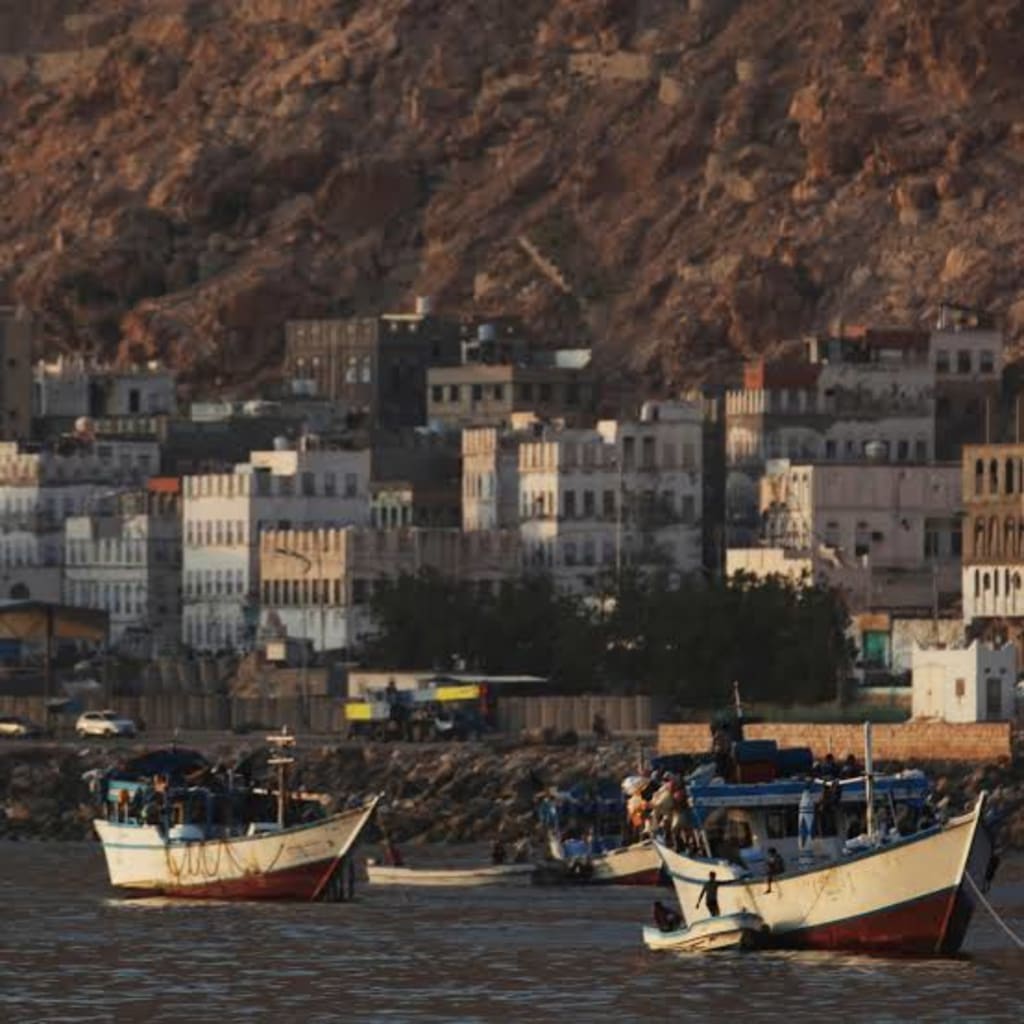
As geopolitical tensions spike in the Middle East with the ongoing 2026 Iran conflict, maritime trade routes near Yemen are seeing increasing disruption — and that disruption is now hitting ports in Yemen with higher charges that threaten already fragile economic lifelines. Yemen’s strategic location at the entrance to the Red Sea and Bab el‑Mandeb Strait has traditionally made its harbors vital for regional trade, but the intensifying conflict has introduced new economic barriers for shipping companies.
In recent weeks, ports such as Aden, Hudaydah, and Mukalla have reportedly begun imposing significantly higher fees on vessels — including war‑risk surcharges and additional handling costs — reflecting the rising danger and insurance premiums associated with navigating nearby waters. The moves come as carriers face escalating costs and security concerns amid broader instability linked to the conflict involving the United States, Iran, and regional militias.
A War‑Driven Spike in Shipping Costs
The Lebanon–Israel conflict of 2026 and related military actions have fed into broader Middle East tensions, with strategic waterways like the Strait of Hormuz and Bab el‑Mandeb Strait becoming areas of heightened risk. Insurers have responded by raising war‑risk premiums on vessels operating in these regions, and shipping lines have passed these costs on in the form of increased port fees and route surcharges.
Economists say such charges are not arbitrary. Shipping companies consider insurance premiums, the risk of damage or seizure, and additional security requirements when deciding fees for port entry. As conflict uncertainty grows, so too does the burden on commercial operators. The result: higher costs for importing and exporting goods through Yemen’s ports — a serious concern for a country already struggling with economic hardship after years of civil war.
These added expenses are then passed down the supply chain, with experts warning that they could further increase the prices of imported essentials such as food and fuel for Yemeni consumers already facing steep inflation and shortages.
Security Threats Near Maritime Routes
The shipping fee increases are part of a wider picture of disruption in global trade caused by conflict. Yemen’s Red Sea corridor has been the scene of repeated attacks by Iran‑aligned Houthi forces on commercial vessels, prompting many carriers to avoid traditional routes altogether. This rerouting often lengthens journeys and adds fuel and time costs, which in turn raise overall freight charges.
Meanwhile, threats from militant groups and the ongoing risk of missile or drone strikes on shipping have kept insurers on edge. With insufficient naval protection in some segments of the route, carriers must now factor prolonged voyages and security contingencies into their logistics planning, further inflating operational costs that ultimately filter into port fee increases at hubs like Aden and Hudaydah.
Maritime analysts note that these war‑linked premium charges can sometimes add a sizeable portion of total cost — in extreme cases reaching hundreds of dollars per container. These surcharges are calculated to offset potential losses and coverage gaps in high‑risk zones, leaving exporters and importers to shoulder the financial burden through elevated fees.
Impact on Yemen’s Economy and Trade
For Yemen’s struggling economy, the fee hikes pose a severe challenge. The country relies heavily on imports for basic commodities, and shipping costs are a significant portion of the final price of goods. Local traders warn that rising port charges could worsen food insecurity and delay the delivery of humanitarian supplies — a concern echoed by international observers.
In addition, Yemen’s ports compete with alternative hubs in the region that may be perceived as safer or more cost‑effective. If carriers increasingly opt to avoid Yemeni harbors in favor of ports in Oman, Djibouti, or Saudi Arabia due to lower insurance and fee structures, Yemen could see a further decline in maritime activity — with direct implications for jobs and revenue at a time when economic opportunities are scarce.
Broader Supply Chain and Global Trade Effects
The situation at Yemen’s ports reflects a broader pattern in the shipping industry, where conflict‑driven disruptions have ripple effects across worldwide supply chains. From the temporary closure of major chokepoints like the Strait of Hormuz to emergency surcharges introduced by carriers such as Maersk to manage elevated fuel and insurance costs, the Middle East conflict has contributed to surging freight rates and logistical realignments.
Economists say that such upheavals not only affect local economies in conflict zones but also reverberate in global markets — influencing commodity prices, rerouting trade flows, and prompting firms to reassess risk management strategies for maritime operations.
Looking Ahead
With no immediate end to the conflict in sight, experts warn that Yemen’s port fee increases may be just the beginning of a longer phase of economic strain driven by geopolitical instability. For Yemenis and international merchants alike, navigating the economic fallout of higher shipping costs will require coordinated efforts — from enhanced maritime security to diplomatic pressure to protect essential trade routes.
As regional and global powers continue to respond to the broader Iran‑linked conflict, maritime stakeholders are bracing for ongoing volatility that could reshape trade dynamics for years to come.
About the Creator
Fiaz Ahmed
I am Fiaz Ahmed. I am a passionate writer. I love covering trending topics and breaking news. With a sharp eye for what’s happening around the world, and crafts timely and engaging stories that keep readers informed and updated.
Keep reading
More stories from Fiaz Ahmed and writers in The Swamp and other communities.
Vance’s distance from the Iran war is getting more conspicuous
As the conflict between the United States and Iran intensifies, one of the most noticeable developments in Washington has been the relative silence of Vice President JD Vance. While President Donald Trump has taken center stage in announcing military actions and defending the administration’s strategy, Vance has remained largely absent from the public debate. The contrast has sparked increasing speculation among political analysts about his role in the administration and what his quiet approach may signal about internal dynamics. The war with Iran has become one of the defining geopolitical crises of the current administration. U.S. and allied forces have carried out strikes against Iranian military infrastructure and nuclear facilities, actions that have escalated tensions across the Middle East. In such moments of national security crisis, vice presidents historically play visible roles, often acting as political advocates or diplomatic envoys. Yet Vance has taken a notably different path. A Quiet Presence in a Loud Conflict In recent weeks, President Trump has repeatedly addressed the public about the conflict, defending the decision to strike Iranian targets and arguing that the operation is necessary to prevent Tehran from developing nuclear weapons. Senior officials within the administration have echoed these points in press briefings and interviews. Vance, however, has rarely appeared alongside them. His public statements about the war have been limited to brief remarks emphasizing the administration’s objective of preventing Iran from acquiring nuclear weapons. Beyond that, the vice president has avoided the extensive media appearances and speeches that often accompany major military operations. Political observers say this restraint stands out in a government otherwise eager to project confidence and unity. A History of Skepticism Part of the explanation may lie in Vance’s political identity before entering the White House. Prior to becoming vice president, he built a reputation as a prominent critic of U.S. involvement in prolonged foreign wars. As a former Marine who served in Iraq, he frequently warned about the dangers of open-ended military conflicts in the Middle East. During previous campaigns and interviews, Vance argued that American leaders had too often sent troops overseas without clear objectives or exit strategies. Those remarks are now resurfacing as the war with Iran dominates headlines. Even President Trump has acknowledged that the vice president initially approached the conflict with a different perspective. Trump recently said Vance was “philosophically a little bit different” about the decision to strike Iran and appeared “less enthusiastic” at the outset of the operation, though he insisted the two leaders ultimately agreed on the policy. Strategic Silence? Some analysts believe Vance’s low profile may be intentional. The vice presidency often involves a delicate balance between supporting the president and maintaining a distinct political identity. For a politician widely viewed as a potential future presidential contender, the stakes are particularly high. If the war proves successful, remaining aligned with the administration will strengthen his credentials. If it becomes unpopular or prolonged, keeping some distance could protect his political standing. Others suggest the vice president’s silence reflects the evolving ideological debate within the Republican Party itself. Over the past decade, the party has been divided between traditional hawkish foreign policy voices and a newer populist movement skeptical of military intervention. Vance has often been associated with the latter camp. Limited Public Engagement Despite the relative silence, Vance has not completely disappeared from public life. He has attended official ceremonies honoring fallen American service members and continues to carry out routine duties associated with the vice presidency. Reports indicate he will soon begin a domestic political tour focused on economic issues and fundraising events. Still, the contrast between the president’s constant messaging and the vice president’s quieter role has fueled speculation about how the administration is managing internal differences. The Political Calculus Historically, vice presidents have played crucial roles during wartime. Figures such as Dick Cheney were deeply involved in shaping military policy and publicly defending the administration’s decisions. Others, like Joe Biden during the Obama administration, frequently acted as diplomatic emissaries and policy advocates. Vance’s approach appears markedly different. For now, the vice president’s distance from the conflict remains one of the more intriguing political dynamics surrounding the war. Whether it reflects genuine policy caution, strategic political positioning, or simply a division of responsibilities within the administration is still unclear. What is certain is that as the war with Iran continues to shape American foreign policy and domestic politics, the question of Vance’s role—and his relative absence from the spotlight—will likely remain a topic of debate in Washington.
By Fiaz Ahmed about 13 hours ago in The Swamp
The Forsyth House Fire
Since 1851, Forsyth House has stood on the corner of Union Street and Gordon Street in the heart of Glasgow. Its iconic, or was... because on Sunday 8th of March, 2026, a fire broke out in a small, seemingly un-named shop in the building and tore all that history down. As I write, the rubble is still unsettled and the street is still blocked off. Central Station is quiet on the upper level, and around 30 small businesses have quite literally gone up in smoke.
By S. A. Crawforda day ago in The Swamp
Hottest in the Office
Dear Rafi, You’re very distracting to work around. For the first second I saw you the other day, I thought you were some type of executive. It took a moment to realize no, you were just the new guy, dressed up for the job he wants. Be still, my heart.
By Gabriel Shames4 days ago in Pride



Comments
There are no comments for this story
Be the first to respond and start the conversation.