Zahid Hussain
Stories (122)
Filter by community
War on the Horizon: Trump Signals Possible Ground Troops in Iran as Conflict Escalates. AI-Generated.
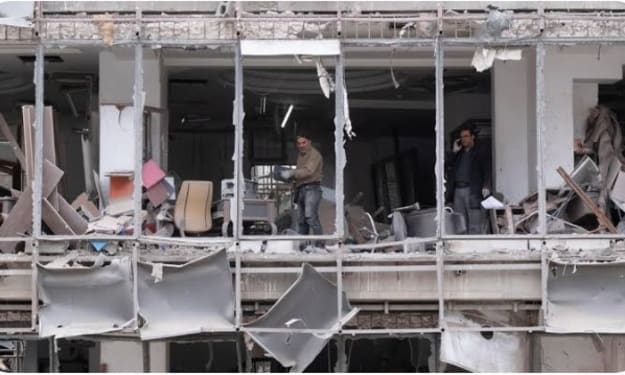
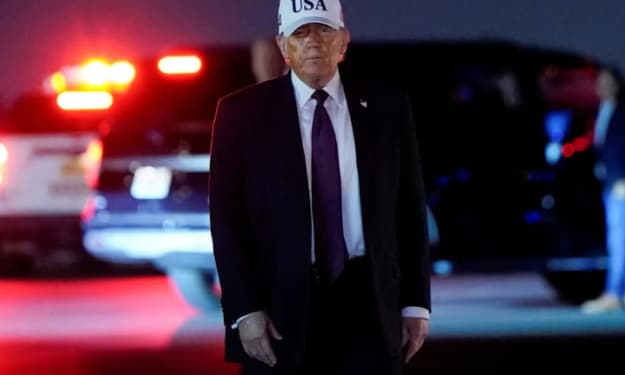
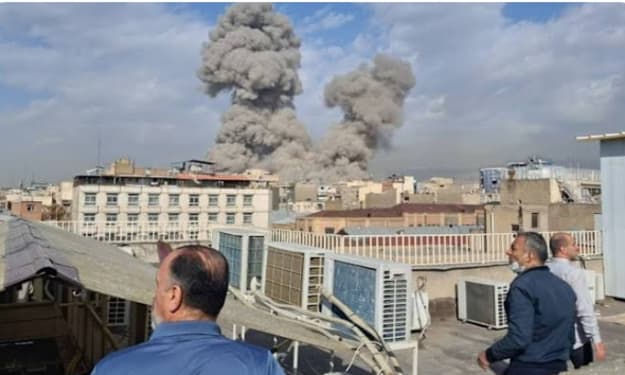
Global attention has once again turned toward the Middle East as the United States signals a possible expansion of military operations in Iran. Recent statements from U.S. leadership suggest that the conflict could intensify significantly, raising concerns about the potential deployment of American ground troops and the prospect of a prolonged military campaign. The situation represents one of the most serious escalations in regional tensions in recent years. With airstrikes already underway and military targets reportedly hit across multiple locations, the possibility of a wider war has become a topic of urgent discussion among policymakers, analysts, and citizens around the world. As diplomatic efforts struggle to keep pace with military developments, many observers are asking whether the region is approaching another major conflict that could reshape global politics. Trump’s Statement Raises Global Questions President Donald Trump recently stated that he would not rule out sending U.S. ground troops into Iran if the situation required it. While he emphasized that such a step has not yet been taken, the comment signals that military planners are keeping all options open. Trump also suggested that the current military campaign could last four to five weeks, although he acknowledged that operations could continue longer if strategic objectives are not achieved. These remarks have sparked debate both within the United States and internationally. Supporters argue that maintaining strong military pressure may deter further threats, while critics warn that expanding the conflict could lead to unpredictable consequences. How the Conflict Began to Escalate The recent escalation follows months of rising tensions between Washington and Tehran. Disagreements over nuclear policy, regional influence, and military activities have steadily increased friction between the two nations. The United States and its allies have accused Iran of advancing its missile and nuclear capabilities, while Iranian officials have criticized Western pressure and sanctions as hostile actions aimed at weakening the country. As diplomatic negotiations stalled, military options began to appear more prominently in policy discussions. The launch of coordinated airstrikes marked a turning point, transforming political tensions into open military confrontation. Airstrikes and Military Operations Reports indicate that hundreds of military targets have been struck since the operation began. These targets reportedly include: Missile facilities Military bases Command and communication centers Air defense installations The strategy behind these strikes appears designed to reduce Iran’s ability to launch retaliatory attacks and weaken its military infrastructure. Military officials emphasize that the current operation relies primarily on air power, naval forces, and advanced technology rather than large-scale ground operations. However, Trump’s recent comments suggest that the possibility of deploying ground forces remains under consideration if circumstances change. Iran’s Response Iran has strongly condemned the strikes and warned of serious consequences. Iranian leaders have vowed that the country will defend itself against what it describes as foreign aggression. Retaliatory actions have already been reported, including missile launches and drone operations targeting military facilities linked to the United States and its allies in the region. The potential for further escalation remains high, especially if additional countries become involved in the conflict. For Iran, the stakes are enormous. The country views the confrontation as a matter of national sovereignty and survival. Regional Impact and Rising Tensions The Middle East has long been a region where local conflicts can quickly expand into wider geopolitical struggles. Neighboring countries are closely monitoring the situation, concerned that the conflict could spread beyond Iran’s borders. Military bases, shipping routes, and energy infrastructure throughout the region could become targets if hostilities continue. The Strait of Hormuz, one of the world’s most important oil shipping routes, is particularly vulnerable. Any disruption to traffic in this narrow waterway could have immediate effects on global energy markets. Oil prices have already shown signs of volatility as traders react to the possibility of prolonged instability. Domestic Debate in the United States Within the United States, the possibility of a longer war is triggering intense political debate. Some lawmakers argue that strong action is necessary to counter perceived threats and maintain national security. Others question whether expanding military involvement could lead to another prolonged conflict similar to past wars in the region. Critics have also raised constitutional concerns about the extent of presidential authority to launch military operations without explicit approval from Congress. Public opinion remains divided, reflecting broader disagreements about America’s role in global security. The Strategic Risks of Ground Troops Sending ground troops into Iran would represent a major escalation. Iran is a large country with complex terrain and a significant military presence. Military experts warn that a ground campaign could involve enormous logistical challenges and potentially high casualties. Iran’s geography—including mountains, deserts, and dense urban areas—could make any invasion extremely difficult. In addition, Iran maintains strong regional alliances and proxy networks that could open multiple fronts across the Middle East. These factors make military planners cautious about expanding operations beyond air and naval strikes. Global Reactions World leaders have reacted with a mix of concern and caution. Many governments are urging restraint and calling for renewed diplomatic efforts to prevent further escalation. International organizations have also expressed concern about the humanitarian consequences of a prolonged conflict. A large-scale war in the Middle East could lead to: Major refugee movements Economic instability Disruptions in global energy supply Increased geopolitical tensions between major powers For these reasons, many countries are urging negotiations rather than continued military action. Could Diplomacy Still Prevail? Despite the ongoing military operations, some analysts believe diplomacy may still have a chance. History has shown that even the most intense conflicts can eventually lead to negotiations once both sides recognize the costs of prolonged warfare. Diplomatic channels often continue quietly behind the scenes, even while public rhetoric becomes more confrontational. Whether these efforts will succeed remains uncertain. However, many observers agree that avoiding a broader war will require careful diplomacy from multiple global powers. The Uncertain Road Ahead The coming weeks could prove decisive. If the campaign unfolds as predicted and concludes within a few weeks, tensions may gradually decrease. But if the conflict expands or ground troops become involved, the situation could change dramatically. The world is watching closely as events continue to unfold. For now, the only certainty is uncertainty. Military operations, political decisions, and diplomatic efforts will all shape the future of this conflict and determine whether the region moves toward escalation or resolution. Conclusion The possibility of deploying ground troops in Iran marks a critical moment in international politics. Statements from President Trump suggest that the United States is prepared to escalate its response if necessary, even as leaders hope to achieve strategic objectives quickly. Yet history has shown that conflicts in the Middle East rarely follow predictable timelines. What begins as a limited operation can sometimes evolve into a prolonged confrontation with far-reaching consequences. As the situation develops, the world faces a difficult question: will diplomacy find a path forward, or will the conflict deepen into another long and costly war? The answer may emerge in the weeks ahead.
By Zahid Hussainabout 9 hours ago in The Swamp
No Escape, No Return. AI-Generated.
There are moments in life when the path behind us disappears and the road ahead is uncertain. In those moments, we find ourselves standing at a crossroads where turning back is no longer possible and moving forward feels frightening. This is the reality of a situation where there is no escape and no return. It is not just a dramatic phrase. For many people around the world, it represents the feeling of being trapped by circumstances, decisions, or consequences that cannot be undone. Whether in personal life, politics, war, relationships, or career choices, there are situations where the door behind us closes permanently. And when that happens, we are forced to confront the most difficult truth of all: the only way out is forward. The Moment When Everything Changes Every life has a turning point. Sometimes it happens quietly, like the decision to leave a job, move to a new city, or end a relationship. Other times it arrives suddenly, like an unexpected crisis or a mistake that changes everything. At first, we may believe that things can go back to the way they were. We tell ourselves that this situation is temporary, that we can fix it, undo it, or somehow return to the comfort of the past. But eventually reality becomes clear. Some doors close forever. And when they do, the past becomes a place we can remember but never revisit. Why Humans Fear the Point of No Return Psychologists often describe the fear of irreversible decisions as one of the deepest anxieties people experience. Human beings naturally prefer options. We like to believe that we can change our minds, correct mistakes, and reverse difficult situations. The idea of a point of no return challenges that sense of control. When we reach a moment where there is no escape and no return, we face three powerful emotions: Fear of the unknown Regret about the past Uncertainty about the future These emotions can feel overwhelming. Yet they are also part of what pushes people to grow, adapt, and discover strength they never knew they had. History Is Full of “No Return” Moments The idea of no escape and no return is not only personal—it is also historical. Entire nations have faced moments when decisions led them into situations that could not be undone. Wars, revolutions, economic crises, and political transformations often begin with a single decision that changes the course of history. Once that decision is made, events move forward like a chain reaction. History reminds us that once a society crosses a certain line, going back to the previous reality becomes impossible. Instead, the world must adapt to the new one. In many ways, progress itself is built on these irreversible moments. The Personal Battles We Fight Alone While history records the major turning points of nations, the quiet turning points of individuals often go unnoticed. A student who fails an important exam. A worker who loses their job. A person who makes a mistake that affects their reputation. A family that must rebuild after a loss. These experiences can feel like personal disasters. In those moments, people often believe they are trapped in circumstances that cannot be escaped. But within these difficult moments lies an important truth: the absence of escape does not mean the absence of possibility. Why Moving Forward Is the Only Choice When there is no return, the only direction left is forward. This realization can be terrifying at first. But it can also be liberating. When we accept that the past cannot be changed, we stop wasting energy trying to rewrite it. Instead, we begin focusing on what can still be built in the future. Many of the most successful people in the world reached their achievements only after facing situations that seemed impossible to recover from. Failure, loss, and hardship often become the foundation of resilience. The Strength Hidden in Difficult Situations Human beings are remarkably adaptable. History shows that people who survive the most difficult circumstances often emerge stronger, wiser, and more determined than before. The reason is simple: hardship forces us to grow. When life removes the option of turning back, we discover abilities we never realized we possessed. Courage, patience, creativity, and determination often appear when they are needed the most. The absence of escape can reveal the presence of strength. Learning to Accept the Irreversible One of the hardest lessons in life is learning to accept things that cannot be changed. People often spend years replaying past mistakes, wondering what might have happened if they had made a different decision. But dwelling on the past rarely provides answers. Instead, it keeps us trapped in a cycle of regret. Acceptance does not mean approving of what happened. It simply means recognizing that the past cannot be rewritten. Once we accept this truth, we free ourselves to focus on what still lies ahead. The Power of Responsibility Another important part of moving forward is taking responsibility. Sometimes the situations we face are caused by our own choices. Other times they are the result of events beyond our control. In either case, accepting responsibility for how we respond is essential. Responsibility gives us power. When we accept that we cannot change the past but can shape the future, we begin to regain control over our lives. Instead of seeing ourselves as victims of circumstance, we become authors of the next chapter. Stories of Transformation Throughout the world, there are countless stories of individuals who faced moments with no escape and no return. Entrepreneurs who lost everything and rebuilt their companies. Athletes who suffered career-ending injuries but found new paths in life. Refugees who fled war and created new futures in unfamiliar countries. These stories remind us that the end of one chapter does not mean the end of the story. Sometimes the most powerful transformations begin exactly at the moment when the old path disappears. Why the Future Still Matters When people feel trapped, they often lose sight of the future. Yet the future is the one thing that remains open, even when everything else feels closed. The future contains possibilities that cannot yet be seen. New opportunities, relationships, discoveries, and achievements often appear when people least expect them. Moving forward does not guarantee success, but refusing to move forward guarantees stagnation. Turning Fear Into Motivation Fear is a natural response to uncertainty. However, fear can also be transformed into motivation. Instead of allowing fear to paralyze us, we can use it as energy that pushes us to prepare, learn, and improve. The realization that there is no return can motivate people to work harder, think more creatively, and pursue goals with greater determination. Sometimes the most powerful motivation comes from knowing that failure is not an option. The Courage to Continue Courage is often misunderstood. Many people believe courage means the absence of fear. In reality, courage means continuing despite fear. When there is no escape and no return, courage becomes essential. It is the quiet decision to take another step forward even when the path is uncertain. It is the determination to keep moving even when the destination is unclear. And it is the belief that the future can still hold meaning, even after the past has closed its doors. Conclusion: The Road That Only Moves Forward Life rarely offers perfect choices. Instead, it presents us with challenges, decisions, and consequences that shape who we become. At some point, everyone encounters a moment where turning back is impossible. These moments may feel overwhelming, but they also mark the beginning of transformation. When there is no escape and no return, the only direction left is forward. And sometimes, that single direction leads us to places we never imagined we could reach.
By Zahid Hussaina day ago in The Swamp
Trump’s Iran Strike Tests the MAGA Promise of “No More Wars”. AI-Generated.
For years, the political movement associated with Donald Trump has been built on a powerful promise: America would stop fighting endless wars abroad. The slogan “America First” and the broader Make America Great Again philosophy resonated with millions of voters who believed the United States had spent too much blood and money in distant conflicts. Yet recent U.S. military strikes against Iran, carried out alongside Israel, have placed that promise under intense scrutiny. What was presented by the White House as a strategic move to prevent nuclear escalation has instead opened a debate within Trump’s own political base: Can a president who promised “no more wars” justify launching a major military operation? The answer could reshape the future of the MAGA movement and the broader direction of American foreign policy. The Strike That Changed the Conversation The latest crisis erupted when the United States launched coordinated strikes on Iranian military and nuclear-related facilities. The operation targeted key assets linked to Iran’s military infrastructure, including forces connected to the Islamic Revolutionary Guard Corps. According to officials, the strikes were intended to weaken Iran’s missile capabilities and prevent what Washington described as an imminent threat. Intelligence reports suggested Iran might have been preparing attacks on American forces or allies in the region. The military action quickly escalated tensions across the Middle East. Iran responded with missile and drone strikes targeting Israeli cities and U.S. military bases in the region, raising fears of a wider war. � AP News For many Americans, the images of explosions and retaliatory attacks felt painfully familiar—echoing the early days of conflicts in Iraq and Afghanistan. A Promise That Defined Trump’s Political Rise Trump’s political appeal was built partly on his rejection of the foreign policy consensus that dominated Washington for decades. During his campaigns, he repeatedly criticized the wars in Iraq and Afghanistan as costly mistakes. He argued that American leaders had wasted trillions of dollars overseas while neglecting domestic problems. His message was simple but powerful: Stop endless wars Bring American troops home Focus on rebuilding the United States This anti-interventionist stance attracted voters across ideological lines. Many conservatives, libertarians, and even some progressives supported the idea that the United States should avoid new military conflicts whenever possible. By the time Trump returned to the White House, millions of supporters believed they were voting for a president who would break the cycle of foreign wars. The MAGA Base Reacts The strikes on Iran have triggered intense debate among Trump’s supporters. Some prominent voices within the MAGA movement have openly criticized the decision. They argue that military intervention contradicts the core principles that made the movement popular in the first place. Several conservative commentators and political figures have said the operation risks dragging the United States into another long conflict in the Middle East. Others worry that it could distract from domestic priorities such as immigration, economic growth, and border security. For these critics, the question is not whether Iran poses a threat—but whether military action is the right response. Many have warned that American voters are tired of foreign wars and expect their leaders to pursue diplomatic solutions instead. Supporters Defend the Decision At the same time, many Republicans and Trump allies strongly support the strikes. Their argument is that preventing Iran from developing nuclear weapons is essential to global security. From this perspective, limited military action is preferable to allowing a dangerous adversary to gain more power. Supporters also emphasize that Trump has never ruled out the use of force when American interests are at stake. They point out that he has often described military power as a deterrent—something that should exist precisely to prevent larger wars. Some conservative analysts believe the strikes could ultimately strengthen Trump’s reputation if they lead to a quick resolution or deter future aggression. However, if the conflict becomes prolonged, political support could weaken. Congress and Washington React The strikes have also sparked debate in Washington. Several lawmakers from both parties have questioned whether the president should have sought congressional approval before launching the operation. Others have expressed concern about the lack of a clear long-term strategy for dealing with Iran after the initial attacks. � Reuters The central question facing policymakers is simple but difficult: What happens next? Without a clear diplomatic path forward, some fear the United States could become entangled in a prolonged regional conflict. The Strategic Risks Military analysts say the biggest danger is escalation. Iran has extensive regional alliances and influence through various groups across the Middle East. Any conflict involving Iran has the potential to spread beyond its borders. Countries such as Lebanon, Syria, and Iraq could become involved if the fighting intensifies. Another major concern is the Strait of Hormuz, a narrow waterway through which a large portion of the world’s oil supply passes. Any disruption in this region could send global energy prices soaring and trigger economic instability worldwide. Trump’s Strategic Calculation For Trump, the decision to strike Iran may have been driven by multiple factors. One possibility is that the administration believed swift military action could deter Iran from escalating its nuclear program or attacking U.S. interests. Another possibility is political calculation. Presidents often face pressure to demonstrate strength in international crises. Trump has framed the strikes as a defensive measure intended to protect American lives and prevent greater conflict in the future. Yet critics argue that military action often produces unintended consequences. History shows that conflicts in the Middle East can evolve quickly and unpredictably. The Shadow of Iraq and Afghanistan Much of the anxiety surrounding the Iran strike comes from memories of earlier wars. The U.S. invasion of Iraq in 2003 began with a limited military objective but evolved into a long and costly conflict lasting nearly two decades. Similarly, the war in Afghanistan became the longest war in American history. These experiences have left many Americans skeptical of military interventions, especially when the long-term goals are unclear. For the MAGA movement—which was partly built on opposition to those wars—the Iran strike represents a moment of ideological tension. The Political Stakes The political consequences of the Iran strike could be significant. If the conflict remains limited and successful, Trump may argue that he prevented a greater threat while avoiding a large-scale war. But if the situation escalates, critics within his own movement could become louder. Political analysts say the outcome could influence upcoming elections and shape the future direction of the Republican Party. Will the party remain committed to the “America First” principle of avoiding foreign wars? Or will national security concerns push it toward a more traditional interventionist approach? The Global Perspective Outside the United States, governments around the world are closely watching the situation. Many countries fear that a direct confrontation between the United States and Iran could destabilize the entire Middle East. International organizations, including the United Nations, have urged restraint and called for diplomatic efforts to reduce tensions. Global markets have also reacted nervously, with energy prices fluctuating as investors assess the risks of regional instability. A Movement at a Crossroads Ultimately, the Iran strike has forced the MAGA movement to confront a difficult question: Can America remain strong internationally while avoiding new wars? Trump’s supporters have long argued that the United States should project strength but avoid unnecessary conflicts. The challenge is determining where to draw the line between deterrence and intervention. The answer may shape the future of American foreign policy for years to come. Conclusion: The Promise Under Pressure The strikes on Iran have created one of the most significant tests yet for the political philosophy that brought Donald Trump to power. Supporters see the operation as a necessary act of strength. Critics view it as a betrayal of the promise to avoid new wars. For now, the situation remains uncertain. Much will depend on how the conflict unfolds in the coming weeks and months. If the crisis ends quickly, the MAGA movement may rally behind the decision. But if the United States finds itself drawn into another prolonged conflict, the promise of “no more wars” could become one of the most contested issues in modern American politics.
By Zahid Hussaina day ago in The Swamp
War on the Brink: US-Israel Strikes on Iran Spark a New Middle East Crisis. AI-Generated.
The Middle East has once again become the center of global attention after a dramatic escalation between United States, Israel, and Iran. What began as rising tensions over nuclear ambitions, military alliances, and regional influence has now erupted into a full-scale military confrontation. Recent coordinated strikes by the United States and Israel targeted multiple strategic locations inside Iran, including military facilities, missile bases, and command centers. The operation marks one of the most significant direct confrontations between the Western allies and Iran in modern history. As the situation unfolds, governments around the world are watching carefully, aware that this conflict could reshape the geopolitical landscape of the Middle East and possibly the entire world. How the Crisis Began For decades, tensions between the United States, Israel, and Iran have simmered beneath the surface. The roots of the conflict lie in ideological differences, regional power struggles, and disputes over Iran’s nuclear program. Iran has long insisted that its nuclear activities are intended for peaceful energy production. However, Washington and its allies believe Tehran has been pursuing nuclear weapons capabilities. Israel, which views Iran as its most significant strategic threat, has repeatedly warned that it will not allow Iran to obtain a nuclear bomb. These tensions escalated after intelligence reports suggested Iran was advancing its nuclear enrichment capabilities faster than expected. Diplomatic negotiations stalled, and the possibility of military action began to grow. The situation finally reached a breaking point when joint US-Israeli forces launched large-scale strikes aimed at crippling Iran’s military infrastructure. The Military Operation The coordinated attacks involved advanced fighter jets, long-range missiles, and sophisticated surveillance technology. Military analysts say the strikes were carefully planned to disable Iran’s air defense systems and command networks. Several key facilities reportedly targeted include missile depots, drone bases, and strategic command centers belonging to the Islamic Revolutionary Guard Corps. The Revolutionary Guard plays a crucial role in Iran’s defense strategy and is responsible for many of the country’s regional operations. By targeting this organization, the United States and Israel aimed to weaken Iran’s ability to coordinate military responses. According to reports, the operation involved dozens of aircraft and drones operating across multiple regions of Iran simultaneously. Statements from Washington Following the strikes, Donald Trump addressed the situation, stating that the operation was “moving along rapidly” and had achieved significant success. Trump argued that the mission was necessary to prevent Iran from developing nuclear weapons and to protect both American and Israeli security interests. In his statement, he suggested that several senior Iranian military leaders had been eliminated during the attacks. While exact numbers remain unclear, the claims indicate the operation was designed to disrupt Iran’s leadership structure. The White House emphasized that the strikes were meant as a defensive measure rather than an attempt to start a wider war. However, many analysts believe the consequences could extend far beyond a limited military operation. Iran’s Immediate Response Iran responded quickly, launching missile and drone attacks toward Israeli territory and targeting American military installations in the region. Iranian officials condemned the strikes as an act of aggression and warned that retaliation would continue if attacks persist. Iran’s military leadership declared that the country would defend its sovereignty and punish those responsible for the operation. In televised statements, Iranian leaders emphasized that their armed forces remain capable of responding strongly despite the damage caused by the initial strikes. The Risk of Regional Escalation One of the biggest fears surrounding the conflict is the possibility that it could expand into a much larger regional war. Iran maintains strong ties with several groups and governments across the Middle East. These alliances mean that fighting could spread quickly beyond Iran’s borders. Countries such as Lebanon, Syria, and Iraq could potentially become involved through various regional factions and military alliances. If that happens, the conflict may evolve into a broader confrontation involving multiple governments and armed groups. Such a scenario would dramatically increase the humanitarian and political consequences of the crisis. Global Reactions The sudden escalation has triggered strong reactions around the world. Several governments have called for restraint and urged both sides to return to diplomacy. United Nations officials warned that further escalation could destabilize the entire region and lead to a humanitarian disaster. Major global powers including China and Russia expressed concern over the military action and called for immediate dialogue to prevent a wider conflict. European leaders also emphasized the importance of maintaining diplomatic channels and avoiding steps that could push the region toward a full-scale war. Impact on Global Oil Markets The conflict has already begun to affect global financial markets, particularly energy prices. Iran sits near the Strait of Hormuz, one of the most critical shipping routes for global oil supplies. Nearly one-fifth of the world’s oil passes through this narrow waterway. Any disruption in the region could cause significant spikes in energy prices worldwide. Markets have already shown signs of volatility as investors react to the possibility of prolonged instability in the Middle East. Energy experts warn that if the conflict intensifies, oil prices could rise dramatically, affecting economies across the globe. Humanitarian Concerns Beyond the geopolitical consequences, the human cost of the conflict is also a growing concern. Airstrikes and missile attacks have caused casualties and damage to infrastructure in several areas. Hospitals, emergency services, and humanitarian organizations are preparing for the possibility of further violence. If the conflict spreads, millions of civilians could be affected through displacement, economic disruption, and shortages of essential goods. Humanitarian groups have called on all parties to prioritize the protection of civilians and respect international humanitarian law. Diplomatic Efforts to Prevent Wider War Despite the escalation, diplomatic efforts are continuing behind the scenes. International mediators are attempting to open channels of communication between the parties involved. Some governments are offering to act as intermediaries in order to reduce tensions and encourage negotiations. However, achieving a diplomatic breakthrough will likely be extremely difficult given the deep mistrust that exists between the opposing sides. The Future of the Conflict At this stage, the future of the crisis remains uncertain. There are several possible scenarios: The conflict could remain limited to targeted strikes and retaliatory attacks. Diplomatic efforts could lead to a temporary ceasefire. The situation could escalate into a broader regional war involving multiple countries. Military experts believe that the next few weeks will be critical in determining which path the conflict takes. The decisions made by leaders in Washington, Tehran, and Jerusalem will shape not only the future of this crisis but also the stability of the Middle East for years to come. A Defining Moment for the Middle East The confrontation between the United States, Israel, and Iran represents one of the most serious geopolitical crises of the decade. Beyond the immediate military actions, the conflict raises fundamental questions about nuclear security, regional power dynamics, and the limits of diplomacy. Whether the situation moves toward peace or deeper conflict will depend on the willingness of all sides to balance strategic goals with the urgent need to prevent a catastrophic war. For now, the world watches closely as events continue to unfold in one of the most volatile regions on Earth.
By Zahid Hussaina day ago in The Swamp
The Life and Legacy of Ayatollah Ali Khamenei: Iran’s Supreme Leader Who Shaped an Era. AI-Generated.
The passing of Ali Khamenei marks the end of one of the most consequential leadership eras in the modern history of Iran. For more than three decades, Khamenei stood at the center of Iranian politics as the country’s Supreme Leader, shaping domestic policies, foreign relations, and the ideological direction of the Islamic Republic. His leadership influenced conflicts across the Middle East, negotiations with global powers, and the internal structure of Iran’s political system. To supporters, he was a guardian of the revolution and defender of Iranian sovereignty. To critics, he represented authoritarian rule and resistance to reform. Regardless of perspective, Khamenei’s influence on global politics and Iran’s trajectory cannot be denied. His life tells the story of revolution, power, ideology, and the enduring complexities of leadership in a turbulent region. Early Life of Ali Khamenei Ali Khamenei was born on April 19, 1939, in the city of Mashhad, one of Iran’s most important religious centers. Coming from a modest clerical family, he was introduced early to religious studies and the traditions of Shiite scholarship. His father was a respected cleric who emphasized discipline and education. These early influences shaped Khamenei’s worldview and instilled a deep commitment to Islamic teachings. Growing up during the reign of Mohammad Reza Shah Pahlavi, Khamenei witnessed political repression and social tensions that would later fuel revolutionary movements across Iran. Religious Education and Rise in the Clerical World Khamenei pursued advanced religious studies in the seminaries of Qom, Iran’s most important center of Islamic scholarship. There he studied under prominent clerics who shaped his theological and political views. During this time, Khamenei developed a strong opposition to the monarchy and became involved in underground networks that criticized the Shah’s government. His speeches and writings began attracting attention, especially among young clerics and students who were seeking a more politically engaged form of Islam. The Influence of Ruhollah Khomeini Khamenei’s political identity was deeply influenced by Ruhollah Khomeini, the revolutionary cleric who would later become the founder of the Islamic Republic. Khomeini’s teachings combined religious authority with political activism, arguing that Islamic scholars should guide the state. Khamenei became one of his loyal supporters and helped spread Khomeini’s revolutionary ideas across Iran. When Khomeini was exiled by the Shah’s government, Khamenei continued promoting his message, often facing arrest and surveillance by state authorities. Role in the Iranian Revolution The Iranian Revolution of 1979 transformed Iran and elevated Khamenei into the national spotlight. The revolution overthrew the monarchy and established the Islamic Republic under the leadership of Khomeini. Khamenei quickly rose through the ranks of the new political system. He held several influential roles, including positions within the Revolutionary Council and later as a member of parliament. His reputation as a revolutionary cleric and loyal supporter of Khomeini made him one of the most trusted figures in the emerging government. Presidency During a Time of War In 1981, Khamenei became the President of Iran. His presidency occurred during one of the most difficult periods in the country’s modern history: the Iran-Iraq War. The war devastated Iran’s economy and infrastructure while costing hundreds of thousands of lives. As president, Khamenei focused on maintaining national unity and supporting the war effort. Although the presidency held limited power compared to the Supreme Leader, the role helped solidify his political stature. Surviving an Assassination Attempt Earlier in 1981, Khamenei survived a dramatic assassination attempt during a speech in Tehran. A bomb hidden in a tape recorder exploded, severely injuring him and leaving his right arm permanently damaged. The incident turned him into a symbol of revolutionary resilience. For supporters, his survival reinforced the idea that he was destined for a greater role in the Islamic Republic. Becoming Supreme Leader in 1989 When Ruhollah Khomeini died in 1989, Iran faced a critical leadership transition. After intense debate among political and religious elites, Khamenei was selected as the new Supreme Leader. The decision surprised some observers, as he did not initially possess the highest clerical rank traditionally associated with the position. However, his loyalty to the revolution and deep connections within the political system made him a compromise candidate capable of unifying competing factions. Consolidating Power in Iran As Supreme Leader, Khamenei held ultimate authority over Iran’s military, judiciary, and major political institutions. He gradually consolidated power while balancing rival political factions. Over time, his influence expanded across nearly every aspect of Iranian governance. The Supreme Leader’s office became the central authority shaping Iran’s strategic decisions and ideological direction. Relationship With the Islamic Revolutionary Guard Corps One of the most significant aspects of Khamenei’s rule was his close relationship with the Islamic Revolutionary Guard Corps. The IRGC evolved into one of Iran’s most powerful institutions, playing key roles in military operations, intelligence, and economic sectors. Under Khamenei’s leadership, the organization became a cornerstone of the Islamic Republic’s security structure. Iran’s Nuclear Program and Global Tensions Khamenei’s leadership coincided with rising international concern over Iran’s nuclear ambitions. Western governments, particularly the United States, accused Iran of seeking nuclear weapons. Iranian leaders insisted that their nuclear program was for peaceful energy purposes. These tensions led to sanctions, diplomatic negotiations, and occasional military threats. Khamenei consistently defended Iran’s right to pursue nuclear technology while rejecting foreign pressure. Regional Influence Across the Middle East During Khamenei’s tenure, Iran expanded its influence across the Middle East. Iran developed alliances with regional groups and governments, positioning itself as a key player in conflicts involving Syria, Lebanon, and Iraq. Supporters viewed this strategy as necessary for national security. Critics argued it intensified regional instability. Domestic Protests and Internal Challenges Khamenei’s rule also faced waves of domestic unrest. Protests erupted periodically in response to economic difficulties, political restrictions, and social grievances. The government often responded with security crackdowns, arguing that unrest was fueled by foreign interference. These events highlighted ongoing tensions between the state and segments of Iranian society seeking reform. Criticism and Controversy Khamenei’s leadership generated strong criticism from international human rights organizations and political opponents. Critics accused the government of restricting freedom of expression, limiting political competition, and suppressing dissent. Supporters countered that Iran’s political system reflected its revolutionary values and resisted external pressure. The debate over Khamenei’s legacy remains deeply polarized. Global Reactions to His Death News of Khamenei’s death triggered reactions across the world. Leaders in allied nations praised his role in shaping Iran’s regional strategy, while Western governments highlighted the challenges his policies posed to international diplomacy. In Iran, the government declared a period of national mourning, and millions reflected on the life of the country’s longest-serving Supreme Leader. What His Death Means for Iran’s Future Khamenei’s passing raises critical questions about Iran’s future leadership. The process of selecting a new Supreme Leader involves powerful religious and political institutions. The transition will shape the direction of Iran’s domestic policies and foreign relations. Observers expect intense debate among political factions over the country’s next chapter. The Lasting Legacy of Ali Khamenei The legacy of Ali Khamenei will likely remain a subject of debate for decades. To supporters, he preserved the ideological foundations of the Islamic Republic and defended Iran’s independence against foreign pressure. To critics, his leadership symbolized political rigidity and missed opportunities for reform. Yet few figures have shaped Iran’s modern history as profoundly as he did. His life reflects the complexities of revolution, governance, and power in one of the world’s most strategically important nations.
By Zahid Hussaina day ago in The Swamp
Minister Josh Simons Resigns After Labour Together Claims: A Political Shockwave in British Politics. AI-Generated.
British politics has once again been thrown into turbulence following the sudden resignation of Minister Josh Simons. The announcement came after controversy surrounding claims linked to Labour Together, a prominent think tank associated with the Labour Party. The development has ignited debate across political circles, raising questions about transparency, influence, and the relationship between political organizations and government officials. Simons’ departure marks another moment of intense scrutiny for modern politics in the United Kingdom. As details continue to emerge, the story highlights the fragile balance between political power, public trust, and accountability. This article explores the background of Josh Simons, the claims that led to his resignation, the response from political leaders, and what this event may mean for the future of the Labour Party and British politics more broadly. Who Is Josh Simons? Josh Simons has been considered one of the rising intellectual voices within Labour politics. Known for his policy expertise and strategic thinking, Simons built a reputation as a policy adviser before entering government. His career has been closely tied to progressive policy development, economic reform ideas, and modernizing the Labour Party’s political message. Before his ministerial role, Simons was involved in policy think tanks and advisory circles that helped shape Labour’s political platform. Many observers believed he represented a new generation of Labour leadership—one focused on practical policy solutions rather than traditional ideological battles. Because of this reputation, his resignation has surprised many political analysts. Understanding Labour Together At the center of the controversy is Labour Together, a think tank that has played an important role in shaping the modern direction of Labour Party policy. Labour Together has been known for providing research, political strategy, and policy proposals designed to help Labour remain competitive in national elections. The organization has worked with a range of Labour politicians and advisers, often serving as a hub for policy discussions. However, the relationship between think tanks and political office holders has long been controversial. Critics argue that such organizations can create blurred lines between independent policy work and political influence. Supporters, on the other hand, say think tanks are essential to developing effective policy ideas and ensuring governments have access to expert analysis. The claims involving Labour Together have therefore raised questions about where those boundaries should lie. The Claims That Sparked the Crisis Reports suggest that allegations connected to Labour Together created a conflict that placed Simons under significant political pressure. While the exact details remain under investigation, the controversy reportedly centers on concerns regarding transparency, political connections, and potential conflicts of interest. Opposition figures and political commentators began asking whether Simons’ relationship with Labour Together could raise ethical concerns for someone holding a government position. Although no criminal wrongdoing has been alleged, the situation quickly became politically sensitive. In modern politics, perception can often be as damaging as proven misconduct. As scrutiny intensified, calls grew for clarification and accountability. Political Pressure Mounts As media coverage expanded, pressure began to build from multiple directions. Opposition parties demanded explanations about the relationship between Labour officials and policy organizations. Questions were also raised in political discussions and public commentary about whether stronger ethical guidelines were needed. Political analysts noted that such controversies can escalate rapidly in the digital age. Social media discussions amplified the story, bringing national attention to an issue that might once have remained confined to policy circles. Within Westminster, discussions reportedly took place about how the situation might affect the credibility of the government. Ultimately, Simons chose to step down from his ministerial role. The Decision to Resign Resignations in politics often follow a familiar pattern: mounting scrutiny, intense media attention, and growing pressure from both supporters and critics. In this case, Simons’ resignation appears to have been aimed at preventing the controversy from distracting the government’s broader policy agenda. Political leaders sometimes step down not because wrongdoing has been proven, but because ongoing controversy risks undermining public confidence. By resigning, Simons may have hoped to allow investigations or discussions about the matter to proceed without his position becoming a constant political battleground. Reactions From the Labour Party The Labour Party’s leadership responded quickly to the resignation. Party officials emphasized the importance of maintaining public trust and transparency in government. Statements suggested that the resignation should allow attention to remain focused on the government’s policy priorities rather than internal controversy. Supporters of Simons have argued that his policy contributions should not be overshadowed by political disputes. Others within the party have acknowledged that public confidence requires strict ethical standards and clear boundaries between political roles and external organizations. The balance between loyalty to colleagues and accountability to voters remains a constant challenge for political parties. Opposition Criticism Opposition parties have used the controversy to question Labour’s leadership and political judgment. Critics argue that the episode raises broader questions about transparency and the influence of policy organizations within government decision-making. Opposition leaders have called for clearer rules governing relationships between think tanks, advisers, and political officials. In parliamentary debates and media interviews, critics have suggested that stronger oversight mechanisms may be needed to prevent similar controversies in the future. Such debates reflect an ongoing concern in many democracies: how to ensure political decision-making remains transparent and accountable. Public Reaction and Media Coverage Public reaction to the resignation has been mixed. Some commentators view the situation as another example of modern politics becoming increasingly sensitive to ethical concerns. Others see it as evidence that political figures are being held to higher standards of accountability. Media coverage has focused not only on Simons’ resignation but also on the broader issue of how think tanks interact with political power. In the age of 24-hour news cycles and social media, political controversies can escalate quickly, shaping public perceptions before all facts are fully known. The Simons case illustrates how rapidly political narratives can evolve. The Role of Think Tanks in Modern Politics The controversy has also reignited debate about the role of think tanks in democratic systems. Think tanks often serve as important sources of policy research and analysis. They help governments explore new ideas, evaluate complex problems, and design long-term strategies. However, critics warn that close connections between think tanks and political figures can create the appearance of insider influence. Many democracies have introduced rules requiring greater transparency around funding, affiliations, and advisory roles. The Simons controversy may lead to renewed calls for similar measures in the United Kingdom. Implications for the Labour Government For the Labour government, the resignation comes at a politically sensitive time. Governments depend heavily on public confidence and stable leadership teams. Even minor controversies can disrupt policy momentum and shift attention away from legislative priorities. Labour leaders will likely focus on reinforcing ethical guidelines and demonstrating that transparency remains a priority. Maintaining political stability while addressing public concerns will be an important test for the party. The Future of Josh Simons Despite his resignation, many observers believe Simons’ political career may not necessarily be over. Political history includes many examples of figures who stepped down during controversy but later returned to public life. Simons’ policy expertise and reputation among some Labour supporters could allow him to continue contributing to political debate, even outside formal government roles. Whether he eventually returns to frontline politics may depend on how the controversy is ultimately viewed by the public and political leaders. A Broader Lesson About Political Accountability The resignation highlights a broader theme in modern politics: the increasing demand for accountability. Voters today expect greater transparency from political leaders than ever before. Ethical standards, financial disclosures, and clear boundaries between public roles and private organizations are becoming central to political credibility. Even situations that involve no legal wrongdoing can create significant political consequences if public trust is questioned. This evolving expectation is reshaping how governments operate. Conclusion: A Political Moment With Lasting Impact The resignation of Minister Josh Simons following claims connected to Labour Together represents more than just a personal political setback. It reflects the ongoing challenges faced by modern governments in maintaining transparency, credibility, and public trust. While the full impact of the controversy remains uncertain, the episode serves as a reminder that political accountability extends beyond legal definitions of wrongdoing. In democratic societies, perception, ethics, and public confidence play equally powerful roles. For the Labour Party, the priority now will be restoring focus on policy and governance. For observers of British politics, the situation offers another example of how quickly political fortunes can shift in an era defined by intense scrutiny and constant public attention.
By Zahid Hussain2 days ago in The Swamp
The Boys' Love at the Heart of Heated Rivalry Is a Familiar Tale in Asia. AI-Generated.
Romance stories have existed for centuries, but some narrative patterns continue to resonate across cultures and generations. One of the most beloved and enduring storytelling formats in Asia is the rivals-to-lovers romance, particularly within the genre known as Boys’ Love (BL). The intense emotional relationship at the center of the novel Heated Rivalry fits squarely into this tradition. Although the novel gained popularity among Western audiences, the themes that drive its story are deeply familiar to fans of Asian BL media. From Japanese manga to Thai television dramas and Korean web novels, the idea that fierce rivals gradually discover love for each other has long captivated audiences. The emotional tension, hidden vulnerability, and slow evolution from competition to intimacy are core elements of the genre. In many ways, the romance portrayed in Heated Rivalry mirrors a storytelling pattern that has been thriving across Asia for decades. Understanding the Boys’ Love Genre Boys’ Love, often abbreviated as BL, is a genre of media that focuses on romantic relationships between male characters. While it originated in Japan, it has spread widely throughout Asia and beyond. The genre first gained popularity through Japanese manga in the 1970s. These stories were often created by female authors and targeted female audiences, offering emotionally intense relationships and character-driven narratives. Over time, BL expanded into many different formats: Manga and graphic novels Television dramas Films Web novels Online comics (webtoons) Today, BL is a major entertainment industry across several Asian countries, particularly Japan, Thailand, South Korea, and China. Streaming platforms and social media have helped these stories reach international audiences. Despite cultural differences, most BL stories share certain common themes. Emotional vulnerability, personal growth, and the gradual development of trust between characters are often central to the narrative. Rivalry as the Beginning of Love One of the most recognizable BL storytelling tropes is the enemies-to-lovers or rivals-to-lovers dynamic. This trope builds emotional tension by placing two characters in direct competition before allowing their relationship to evolve into something deeper. In Heated Rivalry, the protagonists are elite athletes competing at the highest level of professional sports. Their rivalry fuels ambition, frustration, and obsession, creating the perfect conditions for a complex emotional connection. This narrative structure is extremely common in Asian BL stories. Rival characters often begin with intense dislike or jealousy, only to gradually develop mutual respect and attraction. The emotional transformation from hostility to affection creates a powerful dramatic arc. Readers and viewers are drawn into the gradual breakdown of barriers between the characters. Competition becomes the catalyst for intimacy. Why the Rivalry Trope Works So Well There are several reasons why rivalry-based romances resonate strongly with audiences. First, rivalry naturally creates tension. When two characters constantly challenge each other, their interactions are filled with emotional energy. That tension keeps audiences engaged and curious about how the relationship will evolve. Second, rivalry often hides admiration. Characters who compete intensely frequently recognize each other's strengths. Over time, respect can replace hostility. Third, rivalry allows for character growth. As characters confront their own pride, jealousy, or insecurity, they learn to understand themselves and each other more deeply. In BL stories, this growth is often portrayed through moments of vulnerability. Characters reveal fears, dreams, and personal struggles that were hidden behind their competitive exterior. These emotional revelations transform rivalry into connection. The Cultural Roots of BL Storytelling To understand why Heated Rivalry feels so familiar to Asian audiences, it helps to look at the cultural history of BL storytelling. Japanese manga played a key role in shaping the genre. Early BL stories explored emotional relationships between male characters in ways that were rarely seen in mainstream media. Rather than focusing on traditional gender roles, these stories emphasized emotional equality between partners. Relationships were built on shared experiences, emotional tension, and mutual discovery. As the genre spread across Asia, each country adapted it to its own cultural context. Thai television dramas, for example, often focus on university settings or professional environments where rivalries naturally develop. Korean web novels frequently explore workplace dynamics and competitive industries. Chinese web fiction often blends historical or fantasy settings with BL romance. Despite these differences, the core themes remain consistent: emotional connection, gradual trust, and transformative love. Sports Rivalries and Emotional Intensity Sports provide an especially powerful setting for rivals-to-lovers stories. Athletes operate in high-pressure environments where competition is constant. Success requires discipline, determination, and emotional resilience. When two athletes become rivals, their lives naturally intersect in intense ways. They study each other’s strategies, analyze each other’s strengths, and measure their progress against one another. This constant comparison creates psychological intimacy. In Heated Rivalry, the protagonists are deeply aware of each other's presence and performance. Their rivalry pushes them to become better players while simultaneously binding their identities together. Over time, the boundary between competition and connection begins to blur. This emotional complexity is one of the reasons sports-based BL stories are so compelling. The Rise of BL in Global Popular Culture Over the past decade, BL stories have moved from niche audiences to global popularity. Streaming platforms have played a major role in this shift. Thai BL dramas, Korean web series, and Japanese adaptations are now accessible to viewers around the world. Social media communities have also helped BL fandom grow internationally. Fans share translations, reviews, and recommendations, creating a global network of readers and viewers. Western audiences who discover BL often notice how different it feels from traditional romance storytelling. Rather than focusing solely on romantic attraction, many BL stories emphasize emotional intimacy and personal growth. Relationships develop slowly, often through shared challenges and internal struggles. This emphasis on emotional storytelling is one of the reasons BL narratives resonate so strongly across cultures. Breaking Traditional Romance Expectations BL stories also challenge traditional expectations about romance. In many conventional romance narratives, characters fall into clearly defined roles based on gender stereotypes. BL stories often reject those rigid roles. Instead, both characters are given emotional depth and complexity. Each partner may struggle with vulnerability, pride, or insecurity. Their relationship becomes a process of mutual understanding rather than dominance or submission. In Heated Rivalry, both protagonists are ambitious, competitive individuals. Their relationship evolves through moments of tension, reconciliation, and emotional honesty. This balanced dynamic reflects a storytelling style that has been popular in Asian BL media for decades. Emotional Vulnerability at the Center At the heart of most BL narratives lies emotional vulnerability. Characters who initially hide their feelings gradually learn to express them. Rivalry, competition, or misunderstanding often act as barriers that must be overcome. The emotional payoff occurs when those barriers finally break down. In Heated Rivalry, the characters must confront their own fears about identity, ambition, and connection. Their relationship develops through years of encounters shaped by both competition and attraction. This slow emotional evolution mirrors the storytelling rhythm of many Asian BL narratives. The journey toward honesty becomes the most powerful part of the story. Why These Stories Continue to Resonate The enduring popularity of rivals-to-lovers stories suggests that audiences are drawn to emotional transformation. Watching characters evolve from conflict to connection offers a sense of narrative satisfaction. It reflects the idea that relationships can grow stronger through understanding and shared experiences. BL stories in particular often emphasize empathy and emotional discovery. Characters learn not only to accept each other but also to accept themselves. This message resonates with audiences around the world who value stories about personal growth, identity, and love. A Familiar Tale with Global Appeal Although Heated Rivalry was written for a Western audience, its emotional structure reflects storytelling traditions that have long flourished in Asia. The intense rivalry, slow emotional evolution, and eventual romantic connection follow a narrative pattern that BL fans know well. What makes the story compelling is not simply the romance itself but the journey that leads to it. Competition becomes admiration. Rivalry becomes understanding. And conflict becomes love. In that sense, the story of Heated Rivalry is not just a modern romance—it is part of a much larger tradition of storytelling that continues to captivate audiences around the world. Conclusion The love story at the center of Heated Rivalry may feel fresh to some readers, but for fans of Asian Boys’ Love narratives, it follows a familiar and beloved path. Rivalry turning into romance, emotional vulnerability emerging from competition, and characters discovering themselves through each other are all hallmarks of the genre. As BL storytelling continues to expand globally, stories like this demonstrate how powerful and universal these themes can be. Whether set in sports arenas, universities, workplaces, or fictional worlds, the emotional journey from rivalry to love remains one of the most compelling narratives ever told. And as audiences continue to embrace these stories, the influence of Asian BL storytelling traditions will likely continue to shape romance narratives across the world.
By Zahid Hussain2 days ago in Journal
US and Israel Launch ‘Massive’ Strikes on Iran as Trump Calls for Regime Change. AI-Generated.
In one of the most significant geopolitical escalations of recent years, the United States and Israel launched large-scale military strikes on Iran, marking the start of what officials described as a “massive and ongoing” campaign against the Iranian government. The operation has rapidly transformed regional tensions into a direct military confrontation that could reshape the balance of power across the Middle East. U.S. President Donald Trump confirmed the attacks in a public address, stating that the operation aims to neutralize what he called “imminent threats” posed by Iran’s missile and nuclear capabilities. The strikes targeted multiple sites across Iran, including military facilities, missile infrastructure, and locations believed to be connected to the country’s nuclear program. � Jerusalem Post +1 Trump went further than previous U.S. leaders by openly suggesting that the campaign could lead to regime change in Iran, urging the Iranian people to take control of their government once the operation concludes. The Military Operation Begins The joint offensive, reportedly coordinated between American and Israeli forces, began in the early hours of February 28, 2026. Explosions were reported in several Iranian cities, including the capital Tehran, as missiles and airstrikes struck strategic military locations. The Israeli government referred to the campaign as Operation Lion’s Roar, describing it as a pre-emptive strike designed to eliminate threats from Iran’s missile systems and nuclear ambitions. � Wikipedia According to early reports: Multiple missile and air-defense installations were targeted. Sites linked to ballistic missile development were struck. Key military infrastructure across several provinces was damaged. Initial casualty estimates from Iranian emergency organizations suggested that more than 200 people were killed and hundreds injured, although these figures remain difficult to independently verify. � Gulf News The scope of the operation suggests careful planning and coordination between the two allies. U.S. and Israeli officials have argued that the strikes were necessary to prevent Iran from expanding its military capabilities and threatening regional stability. Trump’s Call for Regime Change Perhaps the most controversial aspect of the operation was President Trump’s rhetoric surrounding the attacks. In a video statement posted online, Trump called on Iranian citizens and military personnel to abandon the current leadership and take control of their country. He stated that the objective of the campaign is to eliminate threats from the Iranian regime and ensure that Iran cannot develop nuclear weapons in the future. � Jerusalem Post Trump also issued a warning to Iranian military forces, particularly the powerful Islamic Revolutionary Guard Corps, telling them to disarm and cooperate or face severe consequences. His message included two key themes: Protection of U.S. national security Support for the Iranian people against their government By framing the operation as an opportunity for the Iranian population to overthrow its leadership, Trump’s remarks signaled a clear shift from purely military objectives to political transformation. Israel’s Strategic Perspective For Israel, the strikes represent the culmination of years of tension with Iran. Israeli leaders have long argued that Iran’s missile program and nuclear ambitions pose an existential threat to their country. Israeli Prime Minister Benjamin Netanyahu said the operation was launched to remove that threat and create conditions for a safer Middle East. Netanyahu emphasized that Iran’s leadership has consistently called for the destruction of Israel and supported militant groups throughout the region. From Israel’s perspective, allowing Iran to expand its military capabilities would increase the risk of future conflict and destabilize neighboring countries. The decision to act militarily, therefore, reflects a strategic calculation that diplomacy alone has failed to contain Iran’s ambitions. Iran’s Reaction and Threats of Retaliation Iranian officials quickly condemned the attacks, calling them illegal and unjustified acts of aggression. Iran’s foreign ministry accused the United States of abandoning diplomacy and warned that Tehran would respond decisively. Military officials vowed retaliation against both American and Israeli targets. Within hours of the strikes, reports emerged of missile launches toward Israel and U.S. military facilities in the region. Iran’s leadership framed the operation as proof that Western powers are attempting to destabilize the country and impose political change by force. The possibility of further retaliation raises fears of a broader regional conflict that could involve multiple countries. A Region on Edge The Middle East has experienced numerous conflicts over the past decades, but direct military confrontation between the United States and Iran represents a particularly dangerous escalation. Several factors increase the risk of a wider war: U.S. military bases across the Middle East Iranian-backed armed groups operating in several countries Strategic waterways such as the Strait of Hormuz The involvement of other regional powers Any prolonged conflict could disrupt global energy markets, threaten shipping routes, and destabilize neighboring nations. Many governments around the world have urged restraint and called for an immediate return to diplomacy. Global Reactions The strikes have triggered strong reactions from governments and international organizations. Some U.S. allies have expressed support for the operation, arguing that Iran’s missile and nuclear programs present a genuine security threat. Others have urged caution, warning that military action could escalate into a prolonged war with devastating consequences. The United Nations Security Council convened an emergency meeting to discuss the situation, with diplomats calling for de-escalation and dialogue. European leaders in particular have emphasized the importance of diplomatic solutions and warned that regime change efforts could create further instability. The Human Cost of Conflict While geopolitical strategies dominate headlines, the immediate consequences of the strikes are felt by civilians living in affected areas. Explosions in densely populated regions have raised concerns about casualties and infrastructure damage. Hospitals and emergency services across Iran were reportedly placed on high alert following the attacks. Humanitarian organizations have warned that prolonged conflict could lead to displacement, shortages of medical supplies, and severe economic hardship for ordinary people. The humanitarian dimension of the crisis remains one of the most pressing concerns for international observers. Political Debate Inside the United States Within the United States, the strikes have sparked intense political debate. Supporters of the operation argue that confronting Iran militarily was necessary to prevent the country from developing nuclear weapons and threatening American allies. Critics, however, warn that military intervention could lead to another prolonged Middle Eastern conflict similar to previous wars in Iraq and Afghanistan. Lawmakers from both parties have called for congressional oversight and clearer explanations of the administration’s long-term strategy. The question now facing policymakers is whether the operation will remain limited or evolve into a larger conflict. The Uncertain Path Ahead The situation remains highly volatile. Military analysts suggest several possible scenarios for the coming weeks: Limited conflict — short-term strikes followed by negotiations Escalation — continued retaliation between Iran, Israel, and U.S. forces Regional war — involvement of additional countries or armed groups Much will depend on Iran’s response and whether diplomatic channels can reopen. For now, the world is watching closely as the crisis unfolds. A Turning Point in Middle Eastern Politics The joint U.S.–Israel strikes on Iran represent a defining moment in modern geopolitics. By openly linking military action with the possibility of regime change, the United States has taken a bold and controversial step that could reshape the future of the region. Supporters argue the operation could weaken an adversarial government and strengthen regional security. Critics warn it may ignite a conflict with unpredictable consequences. Either way, the events unfolding today will likely influence international relations, energy markets, and global security for years to come.
By Zahid Hussain2 days ago in The Swamp
The Case for Using Your Brain — Even If AI Can Think for You. AI-Generated.
We are living in a moment when thinking itself feels optional. Artificial intelligence can write essays, summarize books, generate business plans, diagnose illnesses, and even simulate emotional conversations. With a few taps or prompts, answers appear instantly—clean, confident, and often convincing. The temptation is obvious: why struggle mentally when a machine can do the work faster and better? But this convenience raises a deeper question, one that goes beyond productivity or efficiency: What happens to us when we stop using our own minds? This is the case for continuing to think—even when AI can think for you. AI Is Powerful, But It Is Not Conscious Artificial intelligence is impressive, but it is important to understand what it actually does. AI does not think in the human sense. It does not: experience doubt feel curiosity wrestle with moral conflict or understand meaning Instead, it predicts. It processes patterns from massive datasets and produces statistically likely responses. That’s incredibly useful—but it’s not wisdom, judgment, or understanding. When humans outsource thinking entirely, they risk confusing output with insight. Thinking Is More Than Problem-Solving Human thinking is not just about getting answers. It is about: forming identity developing values learning from mistakes and discovering meaning Struggling with a problem changes the brain. Wrestling with an idea builds mental resilience. Questioning assumptions sharpens judgment. AI can deliver conclusions, but it cannot replace the process that shapes who we are. When we skip that process, we may gain speed—but lose depth. The Comfort Trap: When Convenience Becomes Dependence Every major technological leap has promised freedom—and delivered dependence. GPS weakened our sense of direction calculators reduced mental arithmetic social media shortened attention spans AI risks doing the same to thinking itself. If we always rely on machines to: decide what to write suggest what to think summarize what to believe then our cognitive muscles weaken. Just like physical muscles, unused mental abilities don’t disappear overnight—but they do atrophy. Critical Thinking Is the First Casualty One of the most dangerous side effects of over-reliance on AI is the erosion of critical thinking. AI systems: can be confidently wrong reflect biases in their training data cannot verify truth in real time If users stop questioning outputs, they stop evaluating sources, context, and intent. In a world already flooded with misinformation, surrendering critical judgment is not a neutral act—it’s a risky one. Creativity Comes From Friction, Not Ease Some argue that AI enhances creativity. And in many ways, it does. But creativity does not emerge from smoothness alone. It comes from: frustration uncertainty experimentation failure A poem written instantly may look creative—but it lacks the internal struggle that gives art emotional weight. When humans create, they bring memory, emotion, contradiction, and lived experience. AI can imitate style—but it cannot suffer, hope, or care. True creativity requires a mind engaged, not bypassed. Ethics Cannot Be Automated AI can recommend actions. It cannot decide what is right. Ethical judgment depends on: empathy cultural understanding moral responsibility accountability When humans delegate decision-making to algorithms—especially in areas like justice, healthcare, or governance—they risk removing human responsibility from human consequences. Using your brain means asking: Should we do this? not just Can we do this? No machine can answer that for us. Thinking Builds Agency To think is to take ownership of your life. When you think for yourself, you: choose rather than react understand rather than follow participate rather than consume AI can assist agency—but it cannot replace it. A society that stops thinking becomes easier to manipulate, easier to divide, and easier to control. Independent thought is not just personal—it is political. Education in the Age of AI: A Turning Point Schools and universities now face a choice. They can: treat AI as a shortcut or use it as a tool to enhance deeper thinking The danger is not students using AI—it’s students never learning how to think without it. Education should focus less on memorization and more on: reasoning synthesis questioning ethical reflection AI should support thinking, not replace it. The Joy of Thinking Is Underrated There is something deeply human about thinking. The quiet satisfaction of: solving a problem understanding a difficult idea changing your mind after reflection These experiences build confidence and self-respect. When everything is done for us, we may feel efficient—but also strangely empty. Thinking gives life texture. Using AI Without Losing Yourself This is not an argument against AI. AI is a powerful tool. Used wisely, it can: expand knowledge spark ideas reduce repetitive labor The goal is balance. Use AI to: assist research explore perspectives check assumptions But keep the final judgment human. Let AI inform you—but not replace you. Conclusion: Thinking Is an Act of Resistance In an age where machines can generate answers instantly, choosing to think is a radical act. It is slower. It is harder. It is imperfect. But it is how humans grow. The case for using your brain—even if AI can think for you—is simple: Because thinking is not just about answers. It’s about being human.
By Zahid Hussain22 days ago in The Swamp
Starmer to Meet Labour MPs After McSweeney Quits as Chief of Staff Over Mandelson Appointment. AI-Generated.
Keir Starmer is facing one of the most delicate internal moments of his leadership after his chief of staff, Morgan McSweeney, resigned following the controversial appointment of Peter Mandelson to a senior advisory role. The move has triggered unease across Labour’s parliamentary party, prompting Starmer to convene a meeting with MPs in an effort to steady nerves, reassert authority, and prevent the situation from escalating into a broader crisis. While Labour remains strong in the polls and firmly positioned as a government-in-waiting, this episode exposes the persistent tension between the party’s modern leadership and the unresolved legacy of New Labour-era power brokers. Who Is Morgan McSweeney — and Why His Exit Matters Morgan McSweeney was not just another senior aide. He was widely viewed as: One of Starmer’s closest political strategists A key architect of Labour’s electoral discipline A central figure in rebuilding Labour’s credibility after years of internal chaos McSweeney’s role went beyond logistics. He helped shape messaging, manage internal dissent, and enforce the “no distractions” approach that has defined Starmer’s leadership style. His resignation, therefore, is not merely administrative — it is symbolic. When a chief of staff walks out, it usually signals a serious breakdown in trust at the very top. The Mandelson Factor: Why This Appointment Is So Divisive Peter Mandelson remains one of the most polarizing figures in Labour politics. To supporters, he is: A master strategist A proven election winner A figure with global political experience To critics, he represents: The excesses of New Labour An era associated with spin, elite politics, and corporate closeness A step backward rather than forward Mandelson’s appointment — particularly without broader consultation — reignited old anxieties within Labour ranks about who truly holds influence around Starmer. For McSweeney, the issue was reportedly not personal animosity, but direction: what Mandelson’s return signaled about Labour’s future power structure. Why Timing Makes This Worse This dispute comes at a particularly sensitive time. Labour is: Leading in national polls Preparing for the realities of government Under increased media scrutiny At this stage, unity is not just desirable — it is essential. Voters who are open to Labour are looking for stability, professionalism, and reassurance. Internal resignations risk reviving memories of Labour’s past disunity — something Starmer has spent years trying to bury. Starmer’s Meeting With MPs: Damage Control or Reset? Starmer’s decision to meet Labour MPs directly is a calculated move. The objectives are clear: Contain the fallout before speculation grows Reassure MPs that decision-making remains disciplined Demonstrate leadership, not defensiveness Such meetings are rarely about policy. They are about tone, confidence, and trust. Starmer will need to explain: Why Mandelson was brought in What boundaries exist around his role How internal voices will continue to be respected Failure to address these concerns openly could deepen internal skepticism. A Clash of Political Cultures At the heart of this episode is a deeper cultural clash within Labour. On one side: A modernized party focused on discipline and electability Younger strategists shaped by post-Brexit politics A leadership trying to appear technocratic and steady On the other: Veterans of New Labour who believe experience wins elections A comfort with centralized power A belief that politics is ultimately about hard-nosed strategy McSweeney’s resignation suggests that these two cultures are colliding — and not quietly. What This Means for Starmer’s Authority Leadership is often tested not during elections, but during internal conflict. Starmer now faces a choice: Reassert control and clarify the chain of command Or risk appearing overly influenced by political heavyweights Even if Mandelson’s role is limited, perception matters. If MPs believe that decisions are being shaped behind closed doors by figures associated with the past, confidence in leadership cohesion may erode. That erosion doesn’t need to be dramatic to be dangerous — it can be slow and subtle. Reaction Inside the Parliamentary Party Initial reactions among Labour MPs have reportedly been mixed. Some argue: Mandelson’s experience could be valuable Labour cannot afford amateurism if it wants to govern Elections are won by strategy, not sentiment Others worry: This move undermines the “new politics” image It alienates younger voters and activists It sends the wrong signal about accountability Starmer’s meeting will likely expose how deep these divisions run. Public Perception: Does the Voter Care? For most voters, the names McSweeney and Mandelson mean little. But what voters do notice is: Headlines about resignations Stories about internal tension Suggestions of behind-the-scenes power struggles These narratives matter because they shape emotional impressions — competence, unity, readiness. If Labour looks distracted by internal drama, even briefly, it risks weakening its core pitch: that it is ready to govern responsibly. Lessons From Labour’s Past Labour history is filled with cautionary tales. Internal battles have: Derailed campaigns Undermined leaders Distracted from public-facing priorities Starmer’s leadership was built in reaction to that history. His promise was simple: no more chaos. McSweeney’s resignation challenges that promise — not fatally, but visibly. What Happens Next Several outcomes are possible: Containment The issue fades after clarification and reassurance. Structural Change Starmer tightens advisory roles and formalizes boundaries. Lingering Unease MPs remain uneasy, even if publicly silent. Which path emerges depends on how convincingly Starmer handles the next few days. Conclusion: A Warning, Not a Crisis — Yet This episode is not a catastrophe for Labour. But it is a warning light. McSweeney’s resignation highlights unresolved questions about: Influence Direction The balance between experience and renewal Starmer’s response will matter more than the resignation itself. If he can reassure MPs, clarify leadership structure, and keep Labour focused outward rather than inward, the party will move on quickly. If not, this moment may be remembered as the first visible crack in Labour’s carefully constructed image of unity.
By Zahid Hussain22 days ago in The Swamp
Ukraine’s Strategy to Kill 50,000 Russian Soldiers a Month: A Sign of Confidence or an Indicator of Weakness?. AI-Generated.
Few statements in modern warfare are as arresting as this one: Ukraine’s strategy is to kill 50,000 Russian soldiers a month. Whether spoken openly or inferred through battlefield reporting, the figure has circulated widely among analysts, commentators, and military observers. It represents not just a number, but a philosophy of war—one rooted in attrition, endurance, and the grim mathematics of prolonged conflict. But what does such a strategy actually mean? Is it a sign of Ukrainian confidence—proof that Kyiv believes it can outlast and outfight a numerically larger enemy? Or does it signal weakness, an admission that decisive breakthroughs are no longer realistic? The answer lies somewhere between resolve and necessity. Understanding Attrition Warfare At its core, a strategy centered on killing large numbers of enemy soldiers is a form of attrition warfare. Instead of rapid territorial gains or dramatic maneuvers, success is measured by: Enemy casualties Degradation of manpower Destruction of equipment Erosion of morale Attrition is not glamorous. It is slow, costly, and psychologically exhausting. Yet history shows it has often determined outcomes in long wars—from World War I’s trenches to the Iran-Iraq War and beyond. Ukraine did not begin this war intending to fight an attritional campaign. Its early successes relied on maneuver warfare, surprise, and precision strikes. But as the conflict dragged on, the battlefield changed—and so did Ukraine’s options. Why the Number Matters The figure of 50,000 Russian soldiers per month is not necessarily a literal operational target. Rather, it represents a threshold—the level of losses at which Russia’s ability to sustain the war begins to crack. Russia has a larger population, deeper reserves, and a long history of absorbing enormous casualties. However, even for Moscow, losses on this scale strain: Training systems Officer corps Logistics Domestic political tolerance If Russia loses tens of thousands of troops monthly, replacements become less effective, less motivated, and less experienced. Over time, quantity stops compensating for quality. From Ukraine’s perspective, this is the war’s central calculation. A Strategy Born of Constraints To understand whether this approach signals confidence or weakness, it’s essential to examine why Ukraine may be pursuing it. Limited Resources Ukraine does not have infinite manpower. Its population is smaller, and mobilization carries political and economic costs. Prolonged offensives that trade territory for lives are unsustainable. Instead, Ukraine has leaned into: Precision artillery Drones and loitering munitions Long-range strikes on logistics Defensive fortifications These methods aim to maximize Russian losses while minimizing Ukrainian casualties—a classic asymmetric approach. Western Aid Realities Ukraine’s strategy is also shaped by the nature of Western support. While allies have provided weapons, ammunition, and intelligence, that aid has often been: Delayed Politically constrained Insufficient for rapid breakthroughs Without overwhelming superiority in air power or armor, Ukraine cannot easily replicate the kind of decisive offensives seen in past wars. Attrition becomes not just a choice, but a necessity. The Case for Confidence Supporters of Ukraine’s approach argue that targeting massive Russian losses reflects strategic confidence, not desperation. Confidence in Intelligence and Targeting Ukraine’s ability to inflict heavy casualties relies on: Real-time intelligence Western surveillance support Advanced targeting systems The consistent destruction of Russian artillery, command posts, and troop concentrations suggests Ukraine believes it can maintain this kill rate over time. That belief implies confidence in its operational capabilities. Confidence in Russian Weakness Ukraine’s leadership may believe that Russia’s apparent resilience is overstated. While Moscow can mobilize bodies, it struggles with: Poor training Corruption Low morale Weak junior leadership High casualty rates magnify these problems. A force that replaces veterans with barely trained recruits becomes increasingly brittle. From this perspective, killing 50,000 soldiers a month is not unrealistic—it is the path to eventual collapse. The Case for Weakness Critics, however, see the strategy as a warning sign. Lack of Breakthroughs Attrition-focused strategies often emerge when: Maneuver options are exhausted Offensives stall Defenses become impenetrable Ukraine’s counteroffensives have achieved limited territorial gains at enormous cost. Emphasizing enemy casualties can sometimes mask the absence of strategic momentum. If killing becomes the primary metric of success, it may reflect an inability to achieve decisive outcomes. Unsustainable Expectations The figure of 50,000 per month also raises questions about credibility. Casualty figures in war are notoriously unreliable. Inflated estimates can: Shape public perception Maintain morale Justify continued sacrifice But if expectations are set too high, they risk backfiring. When reality fails to match rhetoric, confidence erodes—both domestically and among allies. Russia’s Willingness to Absorb Losses A central gamble in Ukraine’s strategy is the assumption that Russia will eventually break under sustained casualties. History offers mixed lessons. Russia has endured catastrophic losses before—often with little immediate political consequence. The Kremlin tightly controls media narratives, represses dissent, and frames casualties as patriotic sacrifice. However, modern Russia is not the Soviet Union of World War II. Today’s society is more connected, more consumer-oriented, and more sensitive to prolonged instability. Whether Russia’s tolerance for losses has a breaking point remains one of the war’s great unknowns. The Human Cost Behind the Numbers Focusing on monthly kill rates risks abstracting the human reality of war. Each number represents: A life lost A family destroyed A trauma multiplied For Ukraine, emphasizing enemy casualties may be psychologically necessary—but it also underscores the war’s moral weight. A strategy defined by death reflects a conflict with few remaining illusions. This reality complicates the notion of “confidence.” Sometimes endurance, not optimism, drives such choices. Information Warfare and Messaging Statements about killing tens of thousands of enemy soldiers also serve an information warfare function. They aim to: Signal resolve to allies Deter Russian escalation Undermine Russian morale Reinforce Ukraine’s narrative of resistance In this sense, the strategy is as much about perception as battlefield outcomes. Confidence, here, may be performative—but performance matters in modern war. What This Strategy Says About the War’s Trajectory Whether confident or constrained, the focus on attrition suggests one clear reality: Ukraine is preparing for a long war. Not months—but years. A war where: Victory is incremental Gains are measured in degradation, not conquest Survival itself becomes success In such a context, killing 50,000 soldiers a month is not an end—it is a means to keep the conflict winnable. Conclusion: Confidence, Weakness, or Something Else? Ukraine’s apparent strategy to kill massive numbers of Russian soldiers each month is neither pure confidence nor simple weakness. It is a reflection of: Strategic realism Structural constraints Calculated endurance Ukraine believes it can survive longer than Russia can tolerate loss. That belief contains confidence—but also acknowledges the limits of what is possible. In wars of attrition, victory does not always belong to the strongest or the fastest. It often belongs to the side that can endure the longest without breaking. Whether Ukraine’s calculation is correct remains uncertain. But one thing is clear: the strategy reveals a nation that understands the cost of war—and has chosen to pay it slowly, deliberately, and with eyes wide open.
By Zahid Hussain27 days ago in The Swamp
Several States Move to Ban Local Cooperation in Immigration Arrests. AI-Generated.
Across the United States, immigration policy is once again at the center of a fierce political and legal struggle. In recent months, several states have moved to ban or sharply limit cooperation between local law enforcement agencies and federal immigration authorities, particularly Immigration and Customs Enforcement (ICE). Supporters of these measures argue that local police should focus on community safety—not immigration enforcement. Critics counter that such policies undermine federal law and allow dangerous criminals to avoid deportation. As states pass new laws and courts weigh challenges, the debate exposes a deeper conflict over states’ rights, federal authority, public safety, and the future of immigration enforcement in America. What Does “Local Cooperation” Mean? Local cooperation with immigration authorities can take many forms, including: Honoring ICE detainer requests to hold individuals after arrest Sharing jail booking information with federal immigration agents Allowing ICE access to local jails Assisting in immigration-related arrests or transfers States moving to restrict cooperation typically aim to limit or prohibit these actions, especially when individuals are accused of minor offenses or have no criminal convictions. These laws do not stop federal agents from enforcing immigration law themselves—but they prevent local agencies from acting as extensions of federal immigration enforcement. Why States Are Moving to Ban Cooperation 1. Community Trust and Public Safety Proponents argue that cooperation with ICE discourages undocumented immigrants from: Reporting crimes Serving as witnesses Seeking help from police When residents fear that any interaction with law enforcement could lead to deportation, entire communities may retreat into silence. Lawmakers backing non-cooperation laws say public safety improves when police are seen as protectors, not immigration agents. 2. Constitutional and Legal Concerns Several states point to the Tenth Amendment, which limits the federal government’s power to compel state or local officials to enforce federal law. The Supreme Court has previously ruled that the federal government cannot “commandeer” state resources for federal purposes. Supporters say ICE detainers are requests, not legal mandates, and states are within their rights to refuse. 3. Cost and Liability Holding individuals for ICE can be expensive. Local governments may bear: Jail costs Legal risks if detentions are ruled unconstitutional Civil liability for unlawful detention Some cities and counties have paid millions in settlements after being sued for holding individuals without warrants. States restricting cooperation argue they are protecting taxpayers. Which States Are Leading the Movement? While policies vary, states often described as “sanctuary states” include: California New York Illinois New Jersey Oregon Colorado Recently, additional states and legislatures have introduced or expanded laws to: Limit data sharing Require judicial warrants for ICE holds Penalize local agencies that voluntarily cooperate These efforts reflect a growing divide between states that resist federal immigration enforcement and those that actively support it. Opposition: Claims of Lawlessness and Risk Critics—often Republican lawmakers, sheriffs, and federal officials—argue that non-cooperation: Shields dangerous criminals Undermines national security Encourages illegal immigration They cite cases in which undocumented immigrants accused of violent crimes were released from local custody and later re-arrested by ICE after new offenses. For these opponents, local cooperation is not optional—it is a moral obligation tied to public safety. Federal Pushback and Legal Challenges The federal government has repeatedly challenged state and local non-cooperation policies. Key tactics include: Lawsuits claiming obstruction of federal law Threats to withhold federal funding Public pressure campaigns targeting “sanctuary jurisdictions” However, courts have often ruled that while states cannot block federal enforcement, they cannot be forced to participate either. This legal gray area ensures continued litigation. Law Enforcement Is Divided Not all police leaders agree on the issue. Those Supporting Non-Cooperation Say: Immigration enforcement damages community policing Local resources are overstretched Officers should not act as immigration agents Those Opposing It Argue: Cooperation removes repeat offenders from the streets Federal partnerships provide critical resources Public trust can coexist with enforcement The split highlights how immigration policy reshapes even traditional policing roles. Immigration Arrests vs. Criminal Justice A central tension lies in how immigration enforcement intersects with criminal law. Immigration violations are civil offenses, not criminal ones. Critics of ICE cooperation argue it is inappropriate to treat civil immigration matters as criminal threats. Supporters respond that many ICE targets have criminal histories, even if current charges are minor. This clash reveals conflicting views of what justice should prioritize: legal status or public behavior. Political Stakes in an Election Era Immigration remains one of the most polarizing issues in U.S. politics. For Democrats, limiting ICE cooperation often aligns with: Civil rights advocacy Immigrant voter support Criminal justice reform For Republicans, opposing sanctuary-style laws energizes: Law-and-order voters Border security advocates Nationalist constituencies As elections approach, state immigration laws are increasingly shaped by political calculations rather than consensus. Impact on Immigrant Communities For millions of immigrants—documented and undocumented—these policies directly affect daily life. In states limiting cooperation: Fear of deportation may ease Community engagement may increase Families may feel more secure In states that mandate cooperation: ICE arrests often increase Mixed-status families face greater risk Local jails become immigration gateways The difference between state lines can determine whether a traffic stop becomes a life-altering event. Business and Economic Effects Businesses, particularly in agriculture, construction, hospitality, and healthcare, closely watch immigration enforcement trends. Reduced ICE cooperation can: Stabilize workforces Reduce labor shortages Lower turnover Opponents argue it may also encourage undocumented labor, complicating compliance with federal employment laws. The Federalism Question At its core, this debate is about who controls immigration enforcement. Is it: A purely federal responsibility? A shared obligation with states? Or a federal power states may decline to support? The answer remains unresolved—and likely headed for continued Supreme Court review. What Happens Next? Several developments are likely: More state legislation on both sides Expanded court challenges Federal policy shifts depending on administration changes Increased political polarization Immigration enforcement will remain uneven, shaped more by geography than by federal uniformity. Conclusion: A Nation with Two Approaches to Enforcement As several states move to ban local cooperation in immigration arrests, the United States edges closer to a dual-system reality—one where immigration enforcement depends heavily on where someone lives. Supporters see these laws as humane, constitutional, and pragmatic. Critics view them as reckless and dangerous. What is clear is that the immigration debate is no longer just about borders—it is about policing, federalism, civil rights, and the identity of American governance itself. Until Congress delivers comprehensive reform, states will continue filling the vacuum—one law at a time.
By Zahid Hussain27 days ago in The Swamp