entertainment
The very best in geek and comic entertainment.
Vinland Saga Power Rankings. AI-Generated.
The world of Vinland Saga isn’t about flashy powers or supernatural abilities — it’s about brutal warfare, hardened warriors, and the relentless pursuit of survival in a Viking age ruled by strength. Battles are decided by skill, experience, tactics, and sheer willpower. Some fighters dominate through raw physical might, while others rely on speed, precision, or calculated strategy — but only a few stand above the rest as true monsters on the battlefield.
By Top Rankedabout an hour ago in Geeks
Attack on Titan Power Rankings. AI-Generated.
The world of Attack on Titan isn’t about heroes saving the day—it’s about survival, desperation, and the brutal cost of war. Some characters seem unstoppable but fall quickly, while others slowly reveal terrifying strength and strategy. A select few operate on a level so far beyond everyone else that the rules of life and death barely apply.
By Top Rankedabout an hour ago in Geeks
Finding Conversation, Friendship, and Healing in "Grapefruit"
Everything is a work in progress. “Grapefruit” is a film directed by Chase Juliet. Travis, a young man, is forced to move back into his childhood home with his newly sober mother, Evelyn. As tensions peak, Travis meets Billie, an eccentric woman at the Alcoholics Anonymous meetings.
By Marielle Sabbagabout 10 hours ago in Geeks
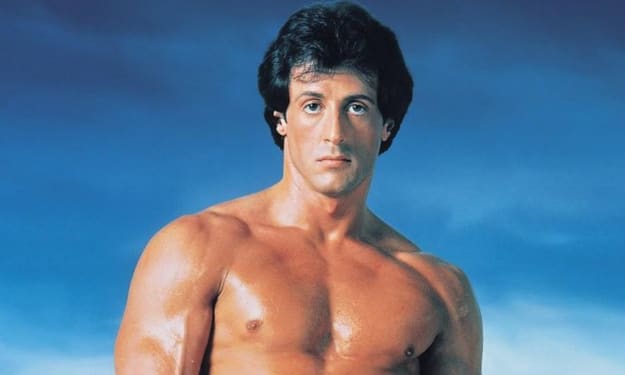
Rocky Power Rankings. AI-Generated.
The world of Rocky & Creed isn’t about fair fights or clean victories—it’s about grit, heart, and who can endure the most punishment while keeping their fists up. Some fighters look unstoppable until they crack, while others quietly dominate with technique, strategy, and unrelenting will.
By Top Rankeda day ago in Geeks
SpongeBob Reviews
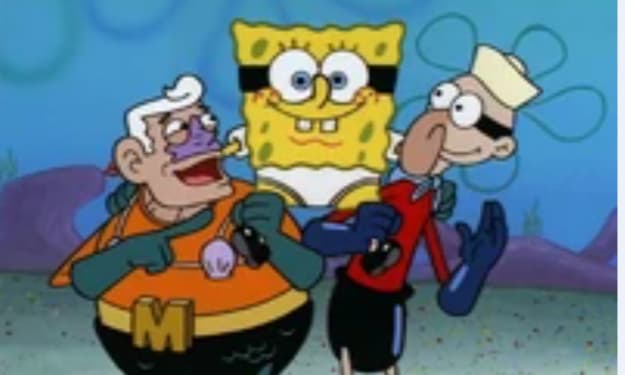
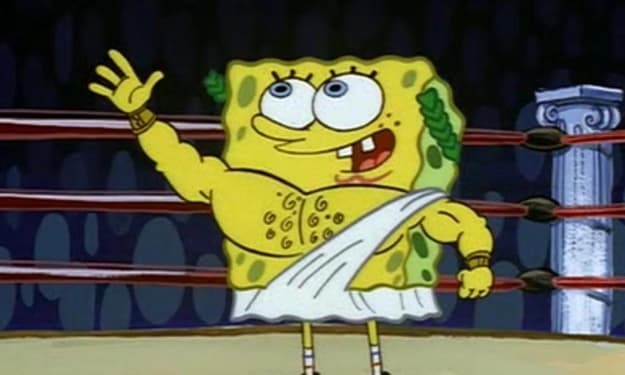
The episode “Mermaid Man and Barnacle Boy 2” unfurls like a bright‑sanded postcard, its opening sequence glinting with the pastel hues of a sun‑drenched Bikini Bottom morning as SpongeBob triumphantly claims a mystical conch shell that he won as part of a contest. The moment the shell reverberates with a low, resonant chime, the narrative vaults from the ordinary to the heroic, propelling our earnest fry‑cook into the glittering realm of his childhood idols. The writing cleverly balances nostalgic reverence for the retired super‑duo with a fresh, kinetic energy that feels both lovingly familiar and startlingly new; every splash of water, every burst of kelp‑filled laughter is rendered with such vivid detail that the audience can almost taste the salty breeze wafting through the coral‑lined streets of Mermaid Man’s secret hideout. This meticulous world‑building forms the sturdy backbone upon which the episode’s comedy and heart will later flourish.
By Forest Greena day ago in Geeks
Spongebob Review
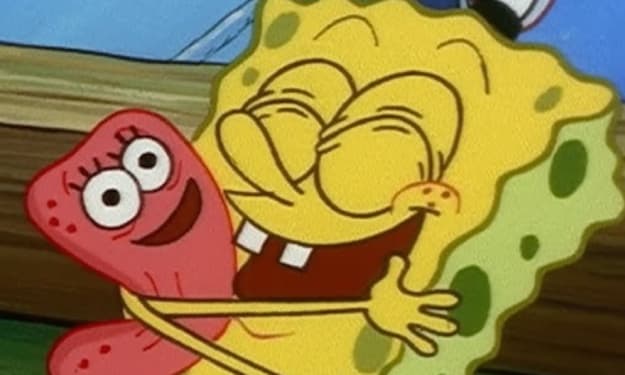
The episode “Hooky” opens with a bright, sun‑splashed morning in Bikini Bottom, and the camera glides lazily over the familiar pastel‑hued streets before settling on the Krusty Krabs. A perturbed Mr. Krabs warns everybody in the place that the hooks had returned and no one pays attention to him, especially Squidward. But Spongebob is interested in what Krabs has to say. He tells him once in every year, people go fishing to catch fish from up the surface and the worst part is being placed in gift shops. He delivers a stern admonition to his employee: “No fiddlin’ with hooks, lad—danger lurks in every gleam!” The warning, delivered in his trademark, gravelly drawl, is underscored by a subtle, low‑key musical cue that hints at impending mischief. SpongeBob, ever‑optimistic and perpetually gullible, immediately interprets the caution as a challenge rather than a safeguard, while Patrick, his dim‑witted yet endearing sidekick, brightens the scene with a series of delighted exclamations. He tells Spongebob that the carnival is in town and he should skip work to see it. The animation here is especially noteworthy, employing exaggerated, rubber‑like movements for the two friends as they bounce into the open sea, their eyes wide with childlike wonder—a visual language that instantly conveys both innocence and the looming sense of chaos that will soon ensnare them.
By Forest Greena day ago in Geeks
SpongeBob Review
The episode “Neptune’s Spatula” bursts onto the screen like a flamboyant fireworks display, dazzling viewers with its vivid sea‑blue palette and an abundance of nautical puns that echo through every kelp‑swaying frame. From the opening shot of King Neptune’s glittering palace, where coral chandeliers cast a regal shimmer over the marble‑like sea‑floor, the production design feels both opulent and whimsically underwater, a perfect backdrop for the high‑stakes culinary showdown that follows. The writers cleverly weave classic SpongeBob slapstick with a surprisingly earnest quest for validation, allowing the audience to feel the palpable tension as SpongeBob, ever the optimistic fry‑cook, is summoned to prove his worthiness before the ocean’s most powerful monarch. The pacing is brisk yet deliberate, each scene transitioning with the smooth fluidity of a well‑timed spatula flip, and the musical score—an orchestral blend of brass and bubble‑pop motifs—underscores the drama without ever drowning out the characters’ exuberant dialogue.
By Forest Greena day ago in Geeks
SpongeBob Review
In “Fools in April,” the writers of SpongeBob SquarePants turn the often‑cheerful chaos of the holiday into a satirical commentary on the thin line between harmless fun and malicious mischief, and they do it through Squidward’s simmering exasperation with SpongeBob’s relentless enthusiasm for April Fools’ Day. From the opening shot of the Krusty Krab, where a brightly‑colored banner flutters above a crowd of eager sea‑creatures, the episode establishes a festive atmosphere that is deliberately at odds with Squidward’s drab, muted palette—a visual cue that his patience has reached a breaking point. The narration, peppered with a jaunty ukulele riff, underscores how SpongeBob’s giddy anticipation spreads like an infectious tide, while Squidward, perched behind the register with a furrowed brow and a sigh that seems to echo through the ocean floor, begins to plot a prank that feels more vengeful than playful. This juxtaposition sets the tone for a story that explores not only the absurdity of pranks but also the psychological toll they can exact on both the prankster and the target.
By Forest Greena day ago in Geeks
Again, with the Villains
Whether you love them or hate them, Disney villains take up a special place in the hearts and minds of people everywhere. Not all of them are the same as most villains. Some are short-sighted (see my other post about that) whereas many have the same old goal of domination and wanting more power.
By Johann Hollara day ago in Geeks
Bruised Autonomy: A Review of Kathleen Edwards' album FAILER (2002)
Failer, the 2002 debut by Kathleen Edwards, is a record about the psychology of romantic self-sabotage set against highways, motels, parking lots, and barstools. It belongs to the same moral weather system as Raymond Carver and Alice Munro: ordinary people making small decisions that quietly alter the trajectory of their lives. No one here delivers a Nietzschean manifesto. No one collapses in Dostoyevskian hysteria. They just fail--intimately, repeatedly, lucidly.
By ANTICHRIST SUPERSTAR2 days ago in Geeks