Discoveries
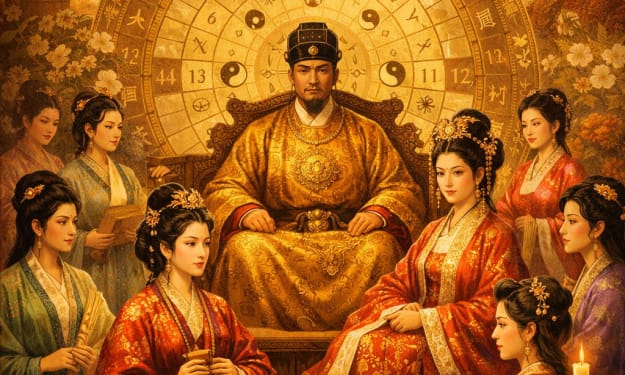
Mathematics Behind the Imperial Harem: How Ancient Chinese Scholars Organized the Emperor’s 121 Women
Throughout history, the courts of powerful rulers have been surrounded by mystery, luxury, and strict organization. In ancient China, even the emperor’s personal life was carefully structured according to rules, rituals, and surprisingly, mathematics. Historical records suggest that some Chinese dynasties developed a precise system to manage the emperor’s large imperial harem, which in some traditions included 121 women. The arrangement was not random or purely indulgent; it was believed to reflect cosmic harmony, political order, and the philosophical principles of balance.
By Irshad Abbasi 2 days ago in History
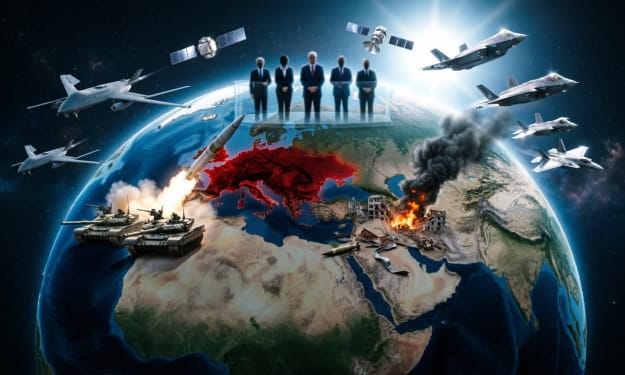
World on Edge: Rising Conflicts and the Fear of a Wider War
World on Edge: Rising Conflicts and the Fear of a Wider War The current global situation has become increasingly tense as several conflicts and political crises continue to develop at the same time. Many analysts believe the world is entering one of the most unstable periods since the end of the Cold War. Wars, military buildups, economic pressure, and political rivalries are creating a fragile global environment where even a small incident could trigger a much larger confrontation.
By Wings of Time 2 days ago in History
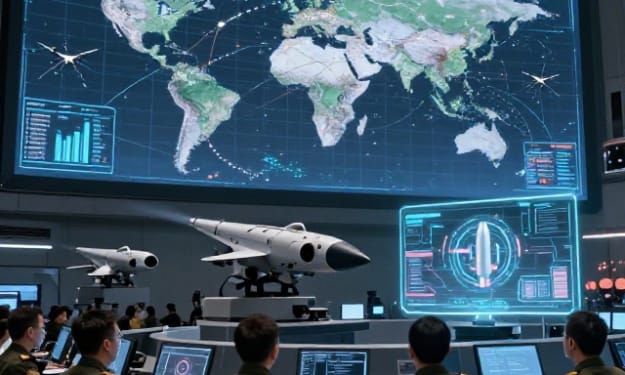
The Next Phase of Global Conflict: Technology, Power, and the Future of War
The Next Phase of Global Conflict: Technology, Power, and the Future of War The nature of war is changing faster than ever before. In the past, conflicts were fought mainly with soldiers, tanks, and aircraft. Today, however, the battlefield has expanded into cyberspace, artificial intelligence systems, and digital infrastructure. Governments around the world are rapidly investing in new technologies that could determine the balance of power in the coming decades.
By Wings of Time 2 days ago in History
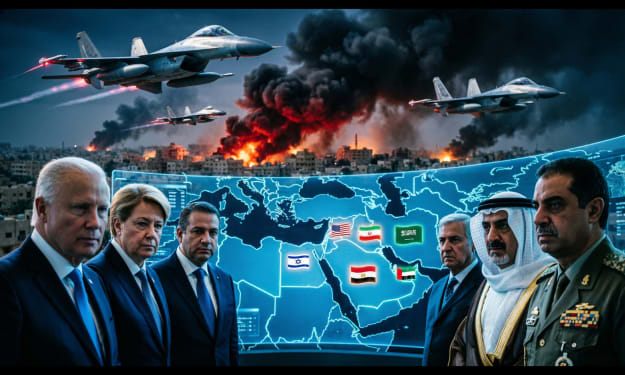
The Middle East Question: Power, Peace, and Double Standards
The Middle East Question: Power, Peace, and Double Standards In recent years, the conflict in the Middle East has once again raised serious questions about global politics, justice, and the meaning of peace. Many observers around the world ask the same question: if powerful countries speak so often about peace and human rights, why did they remain silent when violence and suffering were happening earlier?
By Wings of Time 2 days ago in History
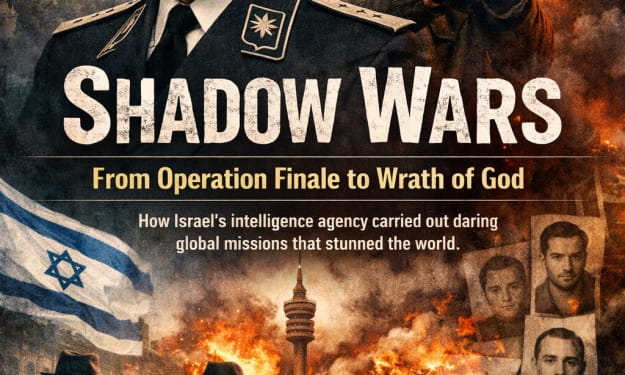
Shadow Wars: From Operation Finale to Wrath of God
Throughout modern history, intelligence agencies have operated in secrecy, carrying out missions that often remain hidden from public view. Among these organizations, the Israeli intelligence agency Mossad has gained a reputation for some of the most daring and controversial operations ever conducted. From tracking down Nazi war criminals to targeting militants responsible for attacks on Israelis, Mossad’s operations have repeatedly captured global attention. Two of the most famous missions associated with the agency are Operation Finale and Operation Wrath of God, both of which left a lasting mark on international intelligence history.
By Irshad Abbasi 2 days ago in History
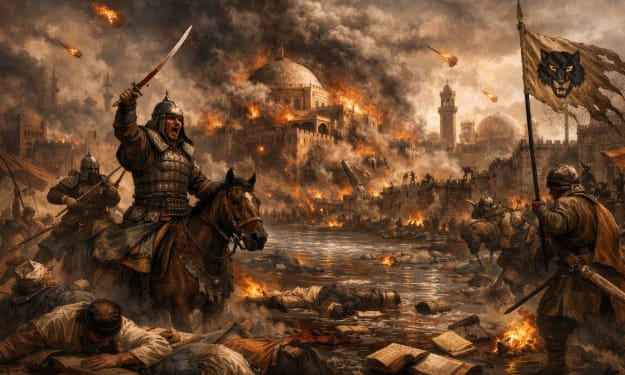
The Mongol Storm: When Baghdad Fell and a Civilization Trembled
In the winter of 1258, one of the greatest cities on Earth met a catastrophe from which it would never fully recover. Baghdad, once the intellectual and cultural capital of the Islamic world, fell to the armies of Hulagu Khan during the devastating Siege of Baghdad (1258). The invasion marked the end of the powerful Abbasid Caliphate and changed the course of Middle Eastern history forever.
By Irshad Abbasi 2 days ago in History
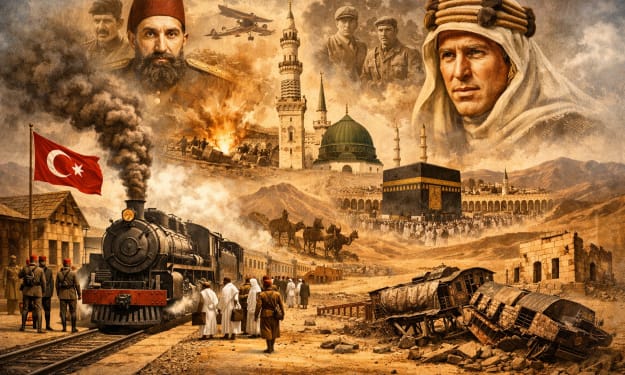
The Hijaz Railway: Why the Ottoman Empire’s Grand Vision to Unite Muslims Was Left Abandoned
In the early twentieth century, the Ottoman Empire launched one of the most ambitious infrastructure projects in the Muslim world: the Hijaz Railway. Conceived as both a symbol of Islamic unity and a practical solution to improve travel for pilgrims heading to Mecca, the railway represented the Ottoman Sultan’s vision of connecting distant Muslim lands. Yet, despite its promise and initial success, the project was ultimately left abandoned due to war, rebellion, and the collapse of the empire itself.
By Irshad Abbasi 2 days ago in History
After the Führer: Who Inherited Adolf Hitler’s Vast Wealth?
When Adolf Hitler died by suicide on April 30, 1945, inside his bunker in Berlin, the Third Reich was collapsing around him. Soviet troops were closing in, and Nazi Germany was on the brink of total defeat. Yet even as Europe lay in ruins, a curious legal and financial question lingered: what happened to Hitler’s personal wealth, estimated to be worth hundreds of millions—if not billions—of today’s dollars?
By Irshad Abbasi 2 days ago in History
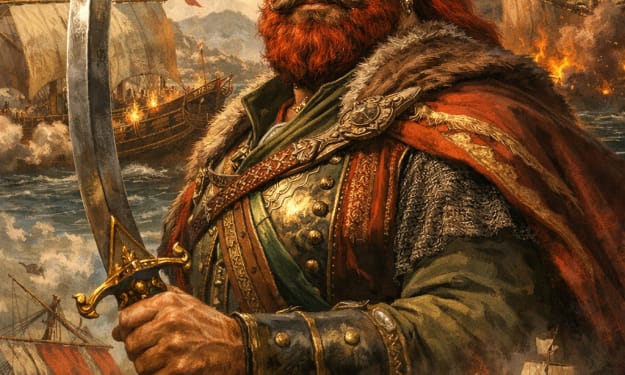
How a feared Mediterranean corsair rose to become Grand Admiral of the Ottoman Empire and reshaped naval power in the 16th century
In the turbulent waters of the 16th-century Mediterranean, where empires clashed and trade routes determined the fate of nations, one name inspired both fear and admiration: **Khayr al-Din Barbarossa**. Known in Europe as “Barbarossa,” meaning “Red Beard,” he began his life as a corsair—what many would call a pirate—but rose to become the Grand Admiral of the mighty **Ottoman Empire**. His journey from privateer to imperial commander is a remarkable tale of ambition, strategy, and shifting loyalties.
By Irshad Abbasi 3 days ago in History