Latest Stories
Most recently published stories in Longevity.
20 Tested and Proven Longevity Hacks
Many people can avoid certain health problems simply with shifting their choices. They buy the supplements, read the articles, and watch the documentaries about Blue Zones and nod along like they learned something. Then they go back to poor sleeping habits, eating garbage, sitting for ten hours, and wondering why their energy is destroyed by 2pm.
By Destiny S. Harrisabout 4 hours ago in Longevity
Why You Seniors Love Chocolate: The 10 Essential Points
Dear senior friend, There is something deeply comforting about dark chocolate. It carries memories, warmth, and a sense of quiet pleasure. At this stage of life, small rituals matter more than ever. A simple square of good-quality dark chocolate can become one of those daily moments that feel both indulgent and intentional.
By Bubble Chill Media about 11 hours ago in Longevity
Met Office Forecasts Dry Weather for Sindh. AI-Generated.
The Pakistan Meteorological Department has issued a forecast indicating that Sindh province is expected to experience a prolonged period of dry weather over the coming weeks. Meteorologists say the region will see little to no rainfall, with temperatures remaining above seasonal averages, raising concerns about agriculture, water resources, and public health. According to the Met Office, a high-pressure system over the Arabian Sea and the Indian subcontinent is likely to dominate weather patterns in Sindh for the next fortnight. This atmospheric configuration inhibits cloud formation, leading to clear skies and minimal precipitation. Forecasts predict daytime temperatures in major cities, including Karachi and Hyderabad, to hover between 28°C and 34°C, slightly above the long-term average for this period. Nighttime temperatures are expected to remain mild, ranging from 18°C to 22°C. The dry spell comes at a critical time for the agricultural sector. Sindh is a major contributor to Pakistan’s wheat, sugarcane, and rice production. Farmers are being advised to monitor soil moisture levels carefully and consider supplemental irrigation for crops at sensitive growth stages. Prolonged dry conditions can affect germination, yield, and quality, particularly for wheat crops that rely on moderate rainfall in the final stages before harvest. Water resource management is also expected to become a key challenge. Reservoirs and canals in Sindh, which depend on upstream flows from the Indus River system, are already operating at variable levels due to reduced inflows and increased water demand. Local authorities are monitoring water distribution closely, emphasizing conservation measures and urging residents to avoid excessive usage. In some districts, water rationing plans may be activated if the dry period persists. Public health officials have cautioned about potential heat-related risks. Although the current temperatures are not extreme, prolonged dry conditions can exacerbate health issues, particularly for vulnerable populations such as the elderly, children, and people with preexisting medical conditions. Heat stress, dehydration, and respiratory issues may become more common if residents do not take appropriate precautions. Health authorities recommend staying hydrated, avoiding prolonged exposure to the sun during peak hours, and ensuring access to cool environments. The Met Office also noted that dust storms and haze could occur in some areas due to the dry conditions combined with occasional strong winds. These phenomena can reduce visibility and impact road traffic, aviation, and outdoor activities. Residents are advised to take safety precautions, particularly when traveling, and to follow local advisories regarding dust and air quality. Economists have warned that the dry spell could have indirect effects on local markets. Reduced crop output may drive up food prices, especially for wheat, rice, and vegetables, affecting household budgets and contributing to inflationary pressures. Traders and suppliers are being advised to monitor market conditions and plan accordingly to avoid shortages or sudden price hikes. Despite the dry weather, meteorologists have noted that this pattern is part of a natural seasonal variation. Sindh typically experiences dry periods during the pre-monsoon and post-winter seasons, and occasional heat waves are not unusual. However, experts also emphasize that climate change may be altering rainfall patterns, leading to longer dry spells and more unpredictable weather events. Continuous monitoring and early warning systems are essential to mitigate risks to agriculture, water supplies, and public health. Authorities in Sindh have urged residents and local businesses to remain vigilant. Farmers should adopt efficient irrigation practices, municipal agencies should ensure water distribution networks function effectively, and the public should take measures to protect health and safety. Collaboration between government departments, meteorological agencies, and the community will be crucial in managing the impacts of this dry period. Looking ahead, the Met Office expects the dry spell to continue into late March, with little relief from rainfall until the onset of the pre-monsoon showers. While temperatures are likely to remain moderate, the persistence of dry weather underscores the need for careful planning and resource management in Sindh. Residents are encouraged to stay updated with official forecasts and advisories to minimize the effects of prolonged dry conditions on daily life and livelihoods.
By Fiaz Ahmed about 12 hours ago in Longevity
Three in Four Women Unaware Menopause Can Trigger New Mental Illness, Poll Finds. AI-Generated.
A new poll has revealed a striking gap in public understanding of menopause and mental health, with nearly three in four women unaware that the hormonal transition can trigger the onset of new mental illnesses. The findings highlight a growing concern among health experts that psychological symptoms linked to menopause are being underestimated, misdiagnosed, or ignored altogether. Menopause is commonly associated with physical symptoms such as hot flashes, night sweats, and sleep disruption. However, medical professionals stress that the hormonal changes occurring during perimenopause and menopause can also have a profound impact on the brain. Fluctuating estrogen levels influence neurotransmitters like serotonin and dopamine, which regulate mood and emotional stability. For some women, this can result in anxiety, depression, panic disorders, or even more severe psychiatric conditions emerging for the first time in midlife. According to the poll, a majority of respondents believed menopause only worsens existing mental health issues rather than creating new ones. This misconception is worrying, experts say, because it delays diagnosis and treatment. Women experiencing sudden mood swings, intrusive thoughts, or prolonged low mood may not associate these symptoms with menopause and instead blame stress, work pressure, or family responsibilities. Mental health specialists report an increase in middle-aged women seeking help for symptoms that began during perimenopause. Many describe feeling unlike themselves for the first time in their lives, experiencing unexplained anxiety, emotional numbness, or depressive episodes. In some cases, women who had never previously struggled with mental illness suddenly find themselves needing therapy or medication. The stigma surrounding both menopause and mental illness adds another layer of difficulty. Many women hesitate to discuss emotional changes openly, fearing they will be dismissed as “overreacting” or told it is simply part of aging. As a result, they may suffer in silence for months or even years before seeking professional support. Healthcare providers also face challenges. General practitioners are often trained to focus on physical menopausal symptoms, while mental health symptoms may be treated separately without considering hormonal causes. This fragmented approach can lead to misdiagnosis. A woman might be prescribed antidepressants without being offered hormone therapy, or vice versa, even though a combined treatment plan could be more effective. Campaigners argue that menopause education needs urgent reform. Schools, workplaces, and healthcare systems should treat menopause as both a physical and psychological transition. Employers are also being encouraged to recognize menopause-related mental health struggles, especially as more women remain in the workforce into their 50s and 60s. Reduced concentration, fatigue, and emotional distress can significantly affect job performance if left unsupported. The poll also revealed generational differences in awareness. Younger women were slightly more informed about menopause and mental health than older respondents, suggesting that social media and online health campaigns are beginning to shift perceptions. However, experts warn that online information can be inconsistent and sometimes misleading, reinforcing the need for reliable public health guidance. Treatment options are available, and outcomes can be positive when menopause-related mental illness is identified early. Hormone replacement therapy (HRT), talking therapies, lifestyle changes, and in some cases medication can work together to stabilize mood and improve quality of life. Regular exercise, better sleep habits, and stress management are also known to ease symptoms. Ultimately, specialists say the findings should serve as a wake-up call. Menopause is not just a physical milestone but a complex biological transition that can reshape mental wellbeing. Recognizing this reality could prevent unnecessary suffering and help women access the care they need sooner. As awareness grows, advocates hope conversations around menopause will become more open and medically informed. Understanding that new mental health conditions can emerge during this stage of life is a crucial step toward removing stigma and ensuring that women are supported through every aspect of this significant change.
By Fiaz Ahmed about 12 hours ago in Longevity
Calm History Podcast
It is always amazing, and somewhat disturbing, how humans can mess up the most basic of processes. They eat ultra-processed foods. They drink too much alcohol. Their behavior with sex ranges from the bizarre to the toxic to the violent. Humans even mess up sleep. Ever see a dog with insomnia? According to the American Academy of Sleep Medicine, approximately 10% to 30% of adults worldwide suffer from insomnia at any given time, with up to 50% of people experiencing it in a given year. In the U.S., roughly 25 to 30 million people struggle with insomnia, and about 12% of adults have been diagnosed with chronic insomnia.
By Frank Racioppiabout 14 hours ago in Longevity
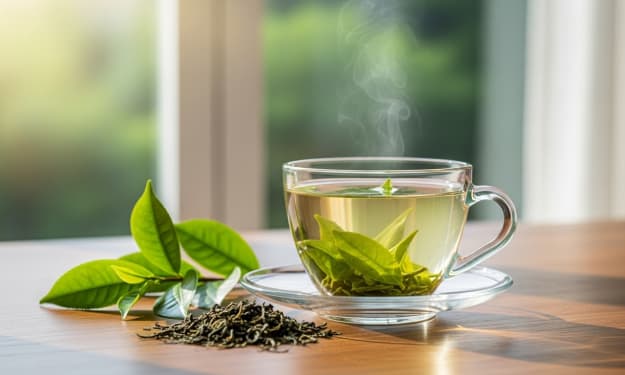
Green Tea: A Cup Full of Wellness 🌿 (Health Tips)
Introduction Green tea is more than just a warm and relaxing drink — it is one of the most loved natural beverages in the world. It is made from the leaves of the plant (Camellia sinensis) a plant known for its rich antioxidants and healing properties.
By Health Tipsa day ago in Longevity
After the warmest weather of the year so far, is winter finally over?. AI-Generated.
As much of the Northern Hemisphere basks in unseasonably warm temperatures, many are asking whether winter is truly coming to an end or if this is merely a brief interlude before the chill returns. Meteorologists note that while recent weeks have brought record-breaking warmth in several regions, the seasonal transition is more nuanced, and forecasts suggest that cold snaps may still make surprise appearances. Across parts of North America, Europe, and Asia, thermometers have consistently recorded temperatures above seasonal averages. In cities like New York City, Paris, and Beijing, residents have reported unusually mild weather, prompting early sightings of blooming flowers and active wildlife that typically emerge later in the season. Local authorities have even issued advisories for heat-sensitive infrastructure, such as early melting of snow and ice causing minor flooding in some urban areas. Climatologists emphasize that while short-term warmth can feel like the end of winter, it does not necessarily indicate a permanent shift. “Weather and climate are distinct concepts,” said Dr. Hannah Moore, a meteorologist at the National Weather Service. “A week or two of warm temperatures is a weather event. Winter, defined by astronomical and climatological markers, continues until the official seasonal end.” The current warm spell has been linked to several atmospheric phenomena. A persistent high-pressure system has settled over large portions of the Northern Hemisphere, drawing in warmer air from lower latitudes. At the same time, shifts in the jet stream have allowed cold Arctic air to remain farther north than usual, creating a pocket of warmth at mid-latitudes. While such patterns often produce temporary spikes in temperature, they do not necessarily mark the end of the season. Unseasonably warm conditions have significant ecological and societal impacts. Early thawing of snowpacks in mountainous regions increases the risk of spring flooding. Wildlife, particularly migratory birds and hibernating mammals, may be confused by inconsistent cues from the environment, affecting feeding and breeding patterns. Agricultural communities are also on alert, as early warmth can prompt premature growth of crops, leaving them vulnerable to potential late frosts. Despite the optimism brought by sunshine and mild days, experts caution that winter is not officially over until astronomical markers, such as the vernal equinox, are reached. Moreover, historical climate data shows that sudden cold snaps in March and even early April are not uncommon. For instance, a notable late-season cold wave in 2018 caused widespread frost damage across parts of Europe and North America, highlighting the unpredictable nature of transitional seasons. The psychological effects of early warmth are also notable. Residents often report a boost in mood and increased outdoor activity, reflecting the strong link between sunlight and human well-being. Cities have seen a surge in park attendance, cycling, and other recreational pursuits. However, meteorologists urge caution: the allure of warm weather should not lead to underestimating potential residual winter hazards, such as icy patches on roads or sudden snow flurries. Climate change adds another layer of complexity. While seasonal averages are gradually shifting upward globally, the variability from year to year remains significant. Scientists warn that interpreting a single warm spell as a permanent end to winter is misleading. Instead, it should be seen as part of broader patterns of climate variability, including more frequent temperature extremes and unusual weather events. In conclusion, while recent warmth may feel like the curtain call for winter, it is too early to declare the season officially over. Atmospheric patterns, historical precedent, and the persistence of cold pockets all suggest that winter can still make intermittent returns. For now, residents can enjoy the sunny reprieve but should remain prepared for sudden chills. Seasonal transitions are rarely linear, and this early taste of spring may merely be a preview of the warmth to come rather than a definitive end to winter’s reign.
By Fiaz Ahmed a day ago in Longevity
Best Artwork Styles for Contemporary Living Spaces
Contemporary living spaces are defined by simplicity, clean lines, and intentional design choices. Unlike traditional interiors that rely heavily on ornamentation, contemporary homes often embrace openness, neutral palettes, and functional layouts. Because of this minimal foundation, artwork plays an essential role in adding personality, warmth, and visual depth.
By CEO A&S Developers2 days ago in Longevity