
How Escalating Iran Conflict Is Driving Up Oil and Gas Prices – A Visual Guide
Rising tensions involving Iran and key shipping routes are pushing oil and gas prices higher, as markets react to supply fears and growing geopolitical risk across the Middle East.

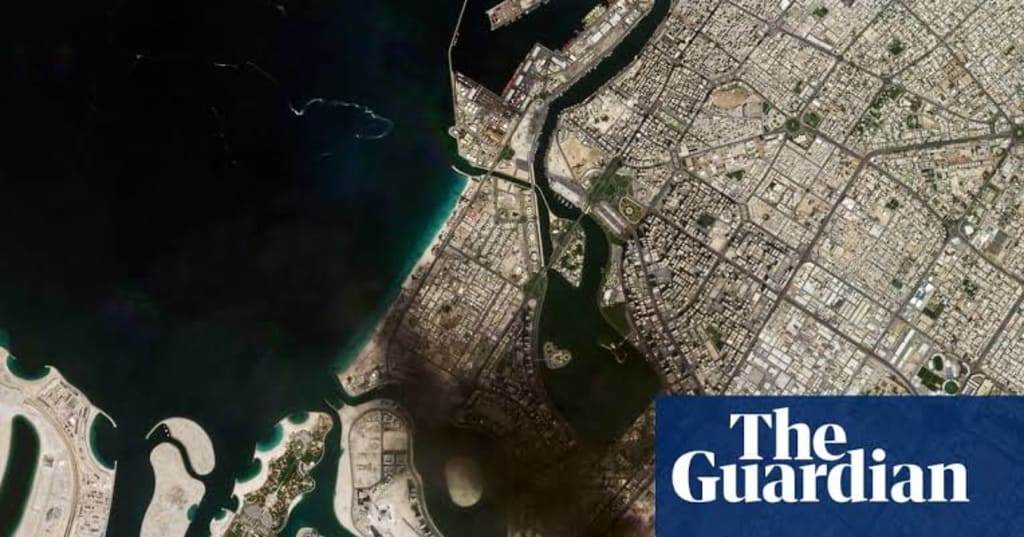
The ongoing conflict in the Middle East, particularly the confrontation between Iran and a coalition involving the United States and Israel, has triggered significant disruptions in global energy markets. As geopolitical tensions rise, investors, traders, and policymakers are watching closely how supply fears are translating into rising oil and gas prices around the world.
1. Conflict and Supply Risk: The Strait of Hormuz Effect
A central factor in today’s energy price surge is the Strait of Hormuz, a narrow waterway between Iran and Oman that serves as a key global oil and gas transit point. Roughly one-fifth of the world’s crude oil and a significant share of liquefied natural gas (LNG) flows through this chokepoint. Even the fear of disruption in this region can add a “risk premium” to energy prices, pushing benchmarks higher.
In recent weeks, attacks on regional infrastructure — including reported assaults on vessels and energy facilities — have led many shippers to avoid the strait, effectively slowing or halting cargo movements. Insurers have raised premiums, and some carriers have suspended routes through the region, adding to concerns about the reliability of oil and gas supplies.
2. Immediate Market Reaction: Crude Oil Spikes
The most visible impact of the conflict has been sharp increases in crude oil prices. Benchmark prices such as Brent crude and West Texas Intermediate (WTI) have climbed dramatically as traders price in potential supply disruptions and geopolitical risk. Markets often react not only to actual outages but also to anticipation of disruption, which itself can drive prices upward.
In early March 2026, Brent crude surged more than 10% to around $80 per barrel, while U.S. crude benchmarks also posted significant gains. Analysts warn that if the conflict continues to extend or if the Strait of Hormuz is effectively blocked, crude prices could climb to $90–$100 per barrel or higher.
3. Gas Prices and Regional Impacts
Oil is not the only commodity affected. Natural gas markets have experienced volatility as well. In Europe, gas prices spiked as shipments were disrupted and critical LNG production — particularly from major exporters such as Qatar — was temporarily halted amid safety concerns. A meeting of EU gas supply officials was convened to assess these risks.
These price increases have real implications for households and industries. Higher oil and gas costs feed into broader inflationary pressures, raising the cost of transportation, electricity, and manufacturing — and ultimately affecting consumer prices across multiple sectors.
4. Global Economic Consequences
Rising energy prices put upward pressure on global inflation. Economists note that even a sustained rise of $10 per barrel in oil prices can have a meaningful impact on inflation and economic growth, particularly in energy-importing regions. Central banks — already grappling with post-pandemic recovery and other macroeconomic challenges — face difficult choices as energy cost pressures persist.
Energy price surges also influence currency markets, consumer sentiment, and investment decisions. In regions highly dependent on imported fuel, the cost increases can erode purchasing power and slow economic activity. In contrast, major oil exporters could benefit from higher price environments, boosting revenue even if production levels remain steady.
5. Long-Term Considerations and Market Volatility
While short-term price spikes garner headlines, longer-term trends and geopolitical risks shape the broader energy outlook. Prolonged conflict could lead to sustained disruption of Middle Eastern supply chains, tightening global markets further. Energy analysts emphasize that modern commodity markets are sensitive not only to physical shortages but also to perceived risk.
Even if the conflict de-escalates, the memory of disrupted supplies may keep a risk premium embedded in prices, meaning that oil and gas costs could remain elevated compared with pre-conflict levels. This volatility underscores the interconnected nature of global energy markets and how geopolitical flashpoints can ripple through economies worldwide.
Conclusion
The escalating Iran conflict has driven up oil and gas prices through a combination of supply disruption risk, fear of chokepoint closures, and shifts in market sentiment. While the supply fundamentals may technically remain intact, geopolitical uncertainty alone can send energy prices sharply higher. As traders and policymakers navigate this environment, consumers around the world may feel the effects at the pump, in home heating costs, and across broader economic activity.
About the Creator
Fiaz Ahmed
I am Fiaz Ahmed. I am a passionate writer. I love covering trending topics and breaking news. With a sharp eye for what’s happening around the world, and crafts timely and engaging stories that keep readers informed and updated.
Keep reading
More stories from Fiaz Ahmed and writers in The Swamp and other communities.
Rafale: India prepares a second major Rafale M carrier jet contract
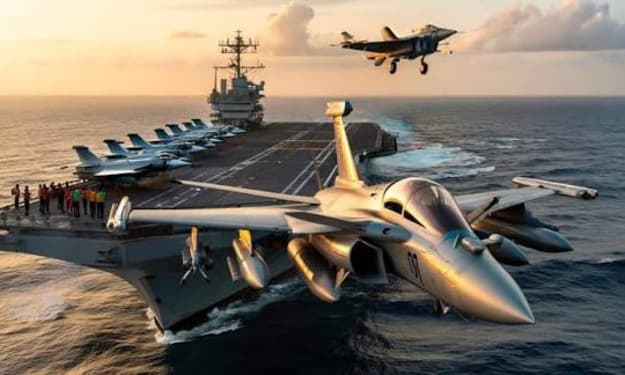
India is gearing up for yet another significant step in its growing partnership with Dassault Aviation by preparing a follow-on contract to expand its fleet of Rafale M carrier-based fighter jets. This potential new agreement comes on the heels of India’s landmark acquisition of 26 Rafale Marine aircraft — the first export order for the naval version of the French multirole fighter — and underscores New Delhi’s ambition to modernize its naval air power as it faces evolving security challenges in the Indian Ocean region. In April 2025, India and France concluded a major intergovernmental agreement for 26 Rafale M jets, consisting of 22 single-seat and four two-seat aircraft, valued at roughly ₹63,000 crore (about $7.5 billion) and slated for delivery starting in 2028. These jets are intended to operate from India’s indigenous aircraft carrier INS Vikrant as well as the Soviet-origin INS Vikramaditya, replacing ageing MiG-29K platforms. Now, barely a year after that deal was signed, New Delhi is laying the groundwork for an additional contract that could substantially increase its inventory of Rafale M fighters. Reports and defence sources indicate that India’s Navy has identified a requirement for more carrier-capable Rafale Marine jets to complement the existing order, potentially bringing the total number of Rafale Ms in Indian service to well over 50 aircraft. This prospective contract is part of a broader strategy to ensure India’s maritime dominance in the Indian Ocean — a region of increasing geostrategic importance due to rising Chinese naval activity, contested sea lanes, and ongoing competition with other regional powers. The addition of more Rafale M aircraft would enhance the Indian Navy’s strike, reconnaissance, and air defence capabilities, enabling more robust carrier air wing operations for extended periods at sea. The expanded Rafale M fleet would be expected to feature the latest F4 standard upgrades, including advanced avionics, reinforced structures, improved weapons integration, and enhanced sensor fusion designed to boost survivability and lethality in multi-domain operations. The F4 standard also improves interoperability with allied forces, a key consideration given India’s increased cooperation with Western and Indo-Pacific partners. From a tactical perspective, carrier-borne aircraft like the Rafale M are critical for projecting power beyond a nation’s shores. They provide significant flexibility during maritime air defence missions, strike operations, fleet escort duties, and humanitarian assistance and disaster relief tasks. India’s Navy has placed emphasis on building a credible carrier strike capability as part of its overall force structure modernization, and these additional aircraft would play a central role in achieving that objective. While official details about the second Rafale M contract — including the number of jets, monetary value, and timeline — have not been confirmed publicly, industry analysts believe negotiations between New Delhi and Paris are in advanced stages. A formal contract announcement could be linked to high-level diplomatic engagements, defence dialogues, or visits by senior officials from both countries. In addition to the direct tactical benefits, this emerging contract has broader strategic implications. It signals India’s continued reliance on French aerospace technology in its quest to modernize its armed forces, even as New Delhi explores indigenous production and global partnerships for future combat aircraft. Past discussions have highlighted India’s desire for deeper technology transfer and local industrial participation — although France has historically been cautious about sharing sensitive source code and core intellectual property. Economically, the expanded Rafale M deal could also involve a wide network of Indian suppliers and aerospace firms under India’s “Make in India” initiative. This would not only support local industry but also build up technical expertise and sustainment infrastructure for high-end military aircraft. Some commentators suggest that a significant portion of future jets could eventually be assembled or serviced domestically with French technical collaboration. The potential new contract for additional Rafale M fighters illustrates how defence procurement is evolving into a long-term partnership between India and France. It builds on the foundation of previous deals — including orders for 36 Rafale jets for the Indian Air Force and the initial 26 naval Rafale Ms — and reinforces the importance of enduring military-industrial ties between the two democracies. As India prepares to finalize this second contract, it is clear that carrier aviation remains a cornerstone of its military strategy. The expanded Rafale M fleet will significantly enhance the Indian Navy’s operational reach, contributing to deterrence and stability in the wider Indian Ocean region. Whether at sea or anchored at home ports, the aircraft are poised to become a defining feature of India’s naval aviation for decades to come.
By Fiaz Ahmed about 2 hours ago in The Swamp
The Saddest Thing - The Billionaires Who Rule America Aren't Even Enjoying Themselves
This single post says more about our ruling class than a thousand policy papers. The saddest thing about today's system is that the men robbing the rest of us - sabotaging our economic prospects, our pensions, our access to affordable healthcare - are not even happy.
By Scott Christenson🌴24 days ago in The Swamp
Cassie and Johnny
I’m the kind of dame you notice. I’m no femme fatale, but you can’t ignore me, at least not until I warn you about what’s coming, then everybody ignores me. Hell, they usually blame me afterwards and give Johnny all the credit for saving the day, but my Johnny couldn’t save a seat at the movies without my help. Sure, he’s brawny, but brainy? Not so much. Like that time I asked him to spot me five bucks, and he said he didn’t see it anywhere on me, and believe you me, he looked but good.
By Harper Lewis4 days ago in Critique



Comments
There are no comments for this story
Be the first to respond and start the conversation.