politicians
Reviews of the politicians kissing babies and running governments around the world; applaud and criticize the decisions they make and their implications.
Russia Is Providing Iran Intelligence to Target U.S. Forces, Officials Say. AI-Generated.
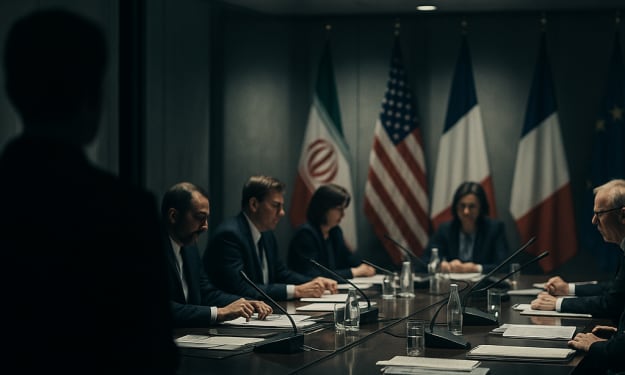
Growing military cooperation between Moscow and Tehran raises fears of a wider global confrontation The geopolitical tensions surrounding the Middle East conflict have intensified after reports emerged that Russia may be providing Iran with intelligence that could help target American military forces. According to several U.S. officials familiar with classified assessments, Moscow has allegedly shared sensitive information about the locations of American military assets across the region, including warships, aircraft, and bases. � Reuters +1 If confirmed, the revelation represents a significant escalation in the evolving relationship between Russia and Iran. It also raises concerns that the conflict could expand beyond the Middle East and become entangled in the broader power struggle between major global powers. What the Intelligence Reports Claim According to officials who spoke to journalists on condition of anonymity, Russia has provided Iran with information that could help identify U.S. military positions in the Middle East. This reportedly includes data about American warships and aircraft operating in strategic locations. � Reuters Such intelligence could dramatically improve Iran’s ability to launch targeted missile or drone attacks against American forces. Analysts note that real-time or near-real-time intelligence can significantly increase the accuracy of military operations. Reports suggest that the intelligence sharing began after the latest round of hostilities between the United States and Iran intensified. In recent weeks, U.S. and allied forces have conducted large-scale strikes against Iranian military infrastructure, prompting retaliatory missile and drone attacks from Tehran. � The Economic Times While officials say the full extent of Russia’s involvement remains unclear, the intelligence exchange is seen as a sign of growing strategic alignment between the two countries. Why Russia Might Be Helping Iran Russia and Iran have developed closer military and political ties in recent years. Their partnership expanded significantly during the war in Ukraine, where Iran supplied drones and other military equipment to support Russian forces. In return, analysts believe Russia may now be offering intelligence or technical support to Tehran. Some experts view the alleged cooperation as a form of geopolitical retaliation. The United States and its allies have provided Ukraine with intelligence, weapons, and financial support to counter Russia’s invasion. From Moscow’s perspective, helping Iran challenge U.S. military operations could serve several strategic goals: Distracting Washington with another major conflict Weakening American influence in the Middle East Strengthening Russia’s alliance with Iran Additionally, Russia has long maintained diplomatic and economic ties with Iran despite Western sanctions. The two countries also signed agreements in recent years aimed at expanding defense and economic cooperation. The Potential Impact on the Conflict If Russia is indeed providing targeting intelligence, the implications could be serious. Intelligence sharing can make military strikes more precise and potentially more deadly. According to reports, the data allegedly includes coordinates or positional information about American military assets. � Wall Street Journal For U.S. forces operating in the region, this could increase the risk of attacks on ships, aircraft, and military bases. American troops are stationed in multiple Middle Eastern countries, including Iraq, Syria, and several Gulf states. Military analysts warn that such intelligence support could prolong the conflict and make it more unpredictable. It could also complicate U.S. military planning, as commanders may need to assume that Iran has access to outside intelligence sources. U.S. Response to the Allegations American officials have acknowledged the reports but emphasized that the U.S. military is aware of the situation and adjusting its strategies accordingly. Defense leaders say they are closely monitoring communications and movements involving Russia and Iran. According to U.S. officials, military planners are factoring the possibility of foreign intelligence assistance into operational decisions. At the same time, the White House has attempted to reassure the public that American forces remain capable of defending themselves and maintaining strategic dominance in the region. Still, lawmakers and analysts in Washington have raised concerns that the situation could represent a dangerous expansion of the conflict. Russia’s Position Russia has not publicly confirmed that it is sharing intelligence with Iran. Kremlin officials have largely avoided direct responses to the allegations, though they have acknowledged maintaining dialogue with Iranian leadership. Moscow has also criticized the U.S. military campaign against Iran, describing it as an act that could destabilize the region. Russian leaders have repeatedly argued that Western military interventions in the Middle East often worsen conflicts rather than resolve them. Because intelligence operations are typically classified, it may be difficult to independently verify the extent of Russia’s involvement. A Wider Geopolitical Struggle The reported intelligence sharing highlights a broader trend in global politics: the emergence of increasingly interconnected conflicts. What begins as a regional war can quickly draw in outside powers pursuing their own strategic interests. For years, Russia and the United States have competed for influence across multiple regions, from Eastern Europe to the Middle East. If Moscow is actively assisting Iran against U.S. forces, it would mark one of the most direct confrontations between the two powers in recent decades. Experts warn that the situation could escalate further if additional countries become involved. The Middle East already hosts a complex network of alliances and rivalries, making it particularly vulnerable to wider geopolitical tensions. What Happens Next? For now, many questions remain unanswered. The precise scale of Russia’s intelligence support, the methods used to share information, and the impact on Iranian military operations are still unclear. However, the reports alone have already intensified concerns about the trajectory of the conflict. If major powers continue to intervene—directly or indirectly—the risk of a broader international crisis could grow. As the situation evolves, the world will be watching closely. The decisions made in Washington, Moscow, and Tehran in the coming weeks may determine whether the conflict remains regional—or becomes something far larger.
By Jameel Jamali6 days ago in The Swamp
A Humanitarian Response Amid Rising Global Tensions. AI-Generated.
The Indian Ocean became the center of international attention when Sri Lanka took custody of an Iranian naval vessel after the United States sank another Iranian warship nearby. The dramatic sequence of events unfolded during a period of escalating conflict between Iran and a U.S.–Israel alliance, raising concerns about maritime security, international law, and the role of neutral states in times of war. As global tensions intensify, Sri Lanka has found itself unexpectedly drawn into the geopolitical spotlight. By responding to a distress call and providing assistance to Iranian sailors, the island nation attempted to balance humanitarian responsibility with diplomatic neutrality in a rapidly evolving crisis. The Sinking of an Iranian Warship The incident began when a U.S. Navy submarine torpedoed the Iranian frigate IRIS Dena in the Indian Ocean, roughly 40 nautical miles south of the Sri Lankan city of Galle. The strike marked one of the rare modern instances of a submarine sinking a surface warship, a type of naval combat not widely seen since World War II. � Wikipedia +1 At the time of the attack, the Iranian vessel was reportedly returning home after participating in international naval events hosted in India. The warship carried around 180 personnel when it was struck by a Mark-48 torpedo launched from the U.S. submarine. � Wikipedia The explosion caused catastrophic damage, sending the ship beneath the waves before rescue forces could reach it. Sri Lankan authorities later recovered dozens of bodies from the ocean and rescued several survivors suffering from injuries and exhaustion. At least 87 sailors were confirmed dead, making the sinking one of the most lethal naval incidents in the region in recent years. � AP News The attack occurred amid a wider military campaign involving the United States, Israel, and Iran, expanding the scope of conflict beyond the Middle East into the Indian Ocean. Another Iranian Vessel Requests Help Only days after the sinking, a second Iranian naval vessel — the IRIS Bushehr, a logistics ship equipped with a helicopter landing platform — experienced mechanical problems near Sri Lanka’s maritime zone. The ship requested assistance after reporting engine failure while operating in nearby waters. � AP News Sri Lanka’s navy responded to the distress signal and escorted the ship toward safety. More than 200 Iranian sailors were transferred ashore for medical checks and immigration procedures, while a small number of crew members remained on board with Sri Lankan personnel to help manage the vessel. � AP News The sailors were taken to a naval base near Colombo, where authorities conducted routine health examinations and security procedures. According to officials, none of the sailors were found to have serious medical issues. Sri Lanka later confirmed that the vessel would remain under its custody until the situation is resolved. A Neutral Nation in a Complicated Situation Sri Lanka’s decision to take control of the Iranian ship highlights the difficult position neutral countries often face during international conflicts. The government emphasized that its response was guided by international maritime law and humanitarian principles rather than political alignment. President Anura Kumara Dissanayake explained that the country had carefully evaluated the request for assistance before allowing the ship to enter Sri Lankan waters. According to officials, international conventions require ships in distress to receive aid regardless of political circumstances. In situations involving naval conflict, neutral states are obligated to assist shipwrecked sailors and vessels facing emergencies. Ignoring such a request could violate widely accepted maritime norms. Experts note that Sri Lanka’s decision to intern the vessel and crew is consistent with global conventions governing neutrality during wartime. The move ensures that the ship cannot immediately rejoin military operations while also protecting the lives of those on board. Regional and Global Implications The events near Sri Lanka demonstrate how conflicts in one region can quickly expand into global waters. The sinking of the Iranian frigate and the rescue operation that followed have drawn attention from several countries, including India and Australia, whose naval forces operate in the Indian Ocean. The incident also highlights the strategic importance of the region. Major shipping routes pass near Sri Lanka, connecting the Middle East, Asia, and Europe. Any disruption to security in these waters could affect global trade, energy transportation, and maritime stability. Iran strongly condemned the U.S. attack, describing it as an “atrocity at sea” and warning that the United States would face consequences for the strike. Meanwhile, Washington has defended its actions as part of a broader military effort against Iranian forces. For Sri Lanka, the situation presents a delicate diplomatic challenge. The country maintains economic and political relationships with both Western nations and Iran, making neutrality essential to protecting its interests. Humanitarian Concerns and the Path Forward Beyond the geopolitical implications, the incident has also highlighted the human cost of naval warfare. Rescue teams described scenes of floating debris, damaged life rafts, and exhausted survivors struggling to stay afloat after the explosion. Sri Lankan naval personnel played a crucial role in rescuing survivors and recovering the bodies of those lost at sea. Their efforts have been widely recognized as an example of humanitarian action during a moment of intense international tension. As the rescued sailors await repatriation and diplomatic negotiations continue, the episode serves as a reminder of how quickly regional conflicts can escalate into global incidents. For now, Sri Lanka remains committed to maintaining neutrality while fulfilling its humanitarian obligations. Yet the situation also underscores a broader reality: in today’s interconnected world, even countries far from the front lines can find themselves at the center of geopolitical storms.
By Jameel Jamali6 days ago in The Swamp
How U.S. Strikes in Iran and Venezuela Are Reshaping China’s Future. AI-Generated.
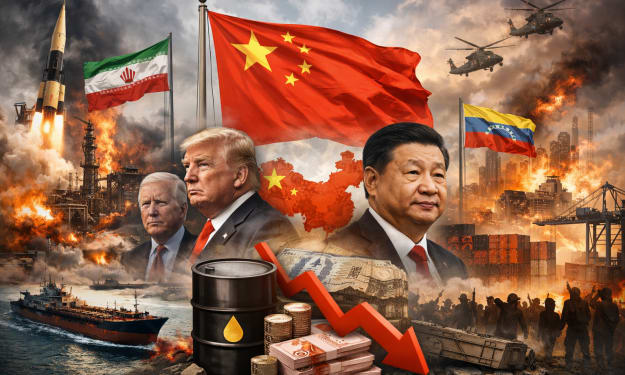
In early 2026, a series of dramatic foreign policy moves by the United States — including military strikes in Iran and actions against the government of Venezuela — have sent shockwaves through global markets and geopolitics. For China, the world’s largest energy importer and a strategic competitor to the United States, these events are not distant headlines but direct challenges to its long‑held economic and diplomatic strategies.
By sehzeen fatima6 days ago in The Swamp
Indian Fighter Jet Goes Missing in Assam: What We Know So Far. AI-Generated.
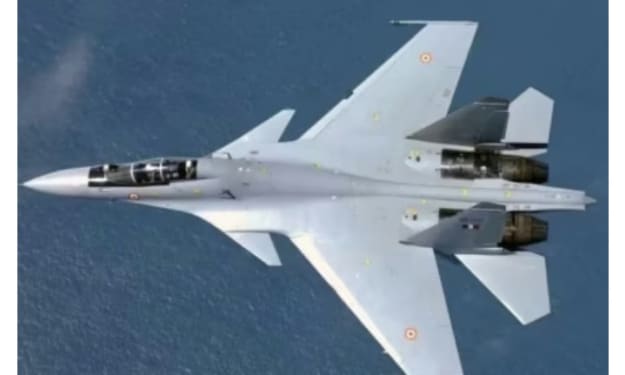
A sudden aviation incident in northeastern India has drawn national and international attention after reports emerged that an Indian fighter jet went missing during a routine mission over the state of Assam. The news, widely reported by Indian media outlets, has raised concerns about the safety of military operations, the well-being of the pilot involved, and the broader implications for India’s defense readiness.
By Jameel Jamali7 days ago in The Swamp
This Is The Truth About The War In Iran Will Make You Think
As the world sits burning in the early fires of war in Iran and the Middle East is rocked by missle barrages and battle, what happened that took America from an America first approach to things to being involved in another middle eastern war?
By Jason Ray Morton 7 days ago in The Swamp
The Most Shocking Revelation of the Clinton Epstein Testimony
In 2019, Jeffrey Epstein, a man who made multiple trips to visit the Whitehouse during the Clinton years, and was tied to at least one other president, Donald J. Trump, was indicted and taken into custody on human trafficking charges as a result of a long standing investigation into illicit sexual encounters, sex with and the trafficking of minors, and other varied accusations.
By Jason Ray Morton 9 days ago in The Swamp
Minnesota Sues Federal Government Over Withheld Medicaid Funds State claims unprecedented federal action threatens health care for more than a million residents. AI-Generated.
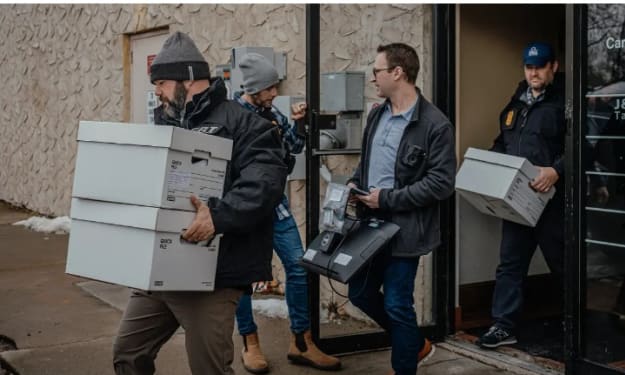
In a dramatic escalation of a long-running dispute over federal oversight and state health care funding, the State of Minnesota has filed a federal lawsuit against the U.S. Department of Health and Human Services (HHS) and the Centers for Medicare and Medicaid Services (CMS), accusing the Trump administration of unlawfully withholding hundreds of millions in Medicaid funds. The lawsuit, filed on March 2, 2026, comes as Minnesota officials argue that the federal action — driven partly by alleged fraud concerns — threatens vital health services for low-income residents and violates the state’s constitutional rights.
By Jameel Jamali9 days ago in The Swamp
How Trump Assassination Attempts Played Into His Decision to Attack Iran. AI-Generated.
In early 2026, the United States found itself on the brink of one of the most consequential military confrontations in decades when President Donald Trump ordered a coordinated U.S.-Israeli strike that killed Iran’s supreme leader, Ayatollah Ali Khamenei. For many observers, the timing, justification, and strategic logic behind the attack were striking. Yet, according to Trump himself, one factor loomed especially large in his calculus: personal survival. In recent public remarks, he explicitly linked alleged assassination attempts against him to his decision to authorize strikes on Iran — a claim that has become a central talking point in an intense political and geopolitical debate.� The Washington Post The Catalyst: Claims of Iranian Assassination Threats Former President Trump — now back in office — has repeatedly said that Iran’s hostility toward him, particularly alleged attempts on his life, influenced his aggressive stance toward Tehran. In an interview following the Iranian strike that killed Khamenei, Trump stated bluntly, “I got him before he got me,” directly invoking supposed assassination attempts during his election campaign.� The Washington Post These comments built on earlier claims made by Trump during the 2024 campaign. As he campaigned for a return to the White House, he warned that Iran posed a threat to his life, suggesting that Tehran might be behind violent incidents including a rally shooting in Pennsylvania and an armed confrontation at his Florida golf course. Intelligence briefings shared with his campaign purportedly alerted him to “real and specific threats” from Iran, although officials acknowledged at the time that there was no direct evidence linking Iran to those particular assassination attempts.� The Washington Post +1 Trump’s rhetoric was stark. In 2025, he openly said Iran would be “obliterated” if it tried to assassinate him — a statement that sent shockwaves through international diplomatic circles even before he returned to the presidency.� Fox News From Campaign Claims to Executive Action By the time Trump assumed office again, the national security environment had shifted. Tehran’s relations with Washington were already frayed after years of sanctions, nuclear disputes, and proxy conflicts across the Middle East. Still, the linkage Trump drew between personal threats and national policy was unusual. Most modern presidents endeavor to separate personal grievances from foreign policy decisions, but Trump made that separation blur. When U.S. and Israeli forces struck Iranian leadership targets in February 2026, killing Khamenei and other senior commanders, Trump framed the action in strategic terms — neutralizing a nuclear threat and dismantling Iran’s regional influence. Yet his personal justification — that he was preventing a future strike against himself — reverberated just as loudly.� The Washington Post Critics immediately seized on this linkage, arguing that no credible intelligence publicly confirmed a direct Iranian attempt on Trump’s life and that suggesting otherwise risked inflaming an already volatile situation. Many experts cautioned that conflating campaign violence or isolated individual attacks with state-sponsored plots could distort U.S. threat assessments and mislead the public.� The Washington Post Iran’s Denials and the Public Record From Iran’s perspective, these assertions are flatly denied. Iranian officials have repeatedly rejected claims of plotting against Trump, labeling them politically motivated and unfounded. In interviews, Iranian leaders have described such allegations as attempts to fabricate a pretext for militaristic foreign policy moves.� Al Jazeera Even U.S. intelligence assessments have not publicly confirmed Iran’s direct involvement in the assassination attempts Trump referenced. In the case of the Pennsylvania rally shooting, for example, authorities found no evidence of a foreign connection, despite initial speculation.� The Washington Post This discrepancy between what has been aired publicly and what Trump asserts privately and publicly has fueled debate about how much personal grievance overtook objective analysis in U.S. policy making. The Broader Strategic Implications Beyond personal safety and rhetoric, Trump’s decision to attack Iran cannot be divorced from broader strategic calculations. Regional dynamics were already tense, with Iran’s nuclear ambitions, missile developments, and support for proxy militias in Iraq, Syria, Lebanon, and Yemen contributing to a complex security environment. In many policy circles, hardliners saw an opportunity to weaken Iran’s military infrastructure and curtail its influence. Trump’s public statements framed the operation as a win for U.S. security, echoing long-standing criticisms of the 2015 Iran nuclear deal and previous negotiations that he deemed too lenient.� The Guardian Yet analysts argue that linking personal threats to national military strategy is problematic. When personal animosities or fears drive policy, there’s a danger of overreaction, misinterpretation of intelligence, and escalation that outstrips strategic benefit. Critics say that Trump’s framing contributed to perceptions that the attack was about revenge rather than a carefully calibrated shift in U.S. military doctrine — a characterization both he and his defenders reject.� Le Monde.fr Conclusion: A Personal Narrative in a Global Crisis The narrative emerging from Trump’s own comments is unmistakable: assassination attempts allegedly tied to Iran weighed heavily in his decision-making process. Whether those attempts were directly orchestrated by Tehran remains unresolved in the public record, but Trump’s insistence on the connection has shaped how the world now views one of the most significant presidential decisions in recent memory. In the end, this episode underscores a perennial challenge in democratic leadership: balancing personal experience with national interest. Trump’s choice to foreground alleged threats against himself raises fundamental questions about how leaders interpret intelligence, justify military action, and communicate with the public at moments of profound consequence. As tensions with Iran continue and the world watches closely, history will assess whether this blending of personal narrative and policy was visionary or perilous.
By Jameel Jamali9 days ago in The Swamp
Iran Plunges Into Chaos After Khamenei’s Death
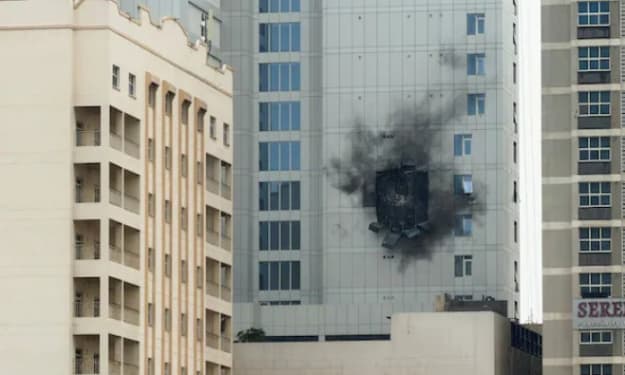
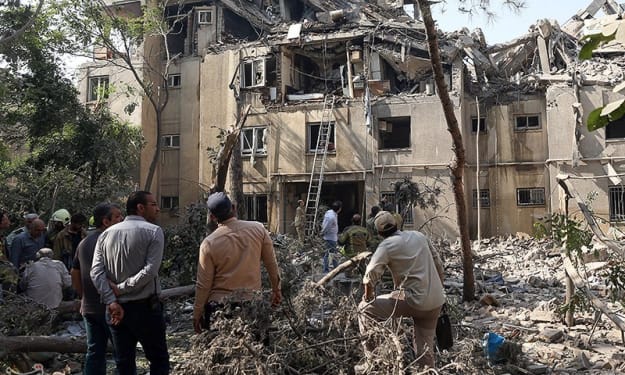
Iran erupted into unprecedented chaos after Supreme Leader Ayatollah Ali Khamenei was killed during targeted strikes on Feb. 28. Streets in Tehran filled with protesters, while retaliatory attacks hit U.S. bases in the Persian Gulf and the U.S. Embassy in Kuwait. Analysts warn that the violence could escalate into a wider regional crisis.
By Jacqueline Bowser10 days ago in The Swamp
Hassan Khomeini: The Reluctant Heir and Iran’s Symbol of Reformist Possibility. AI-Generated.
In Iran, names carry power. Few names carry as much weight as Khomeini. More than four decades after the Islamic Revolution reshaped the country, the legacy of its founding figure still shapes politics, identity, and legitimacy. Now, attention has increasingly turned to Hassan Khomeini, the founder’s grandson—a cleric who holds symbolic authority but remains formally outside the machinery of government.
By Jameel Jamali10 days ago in The Swamp