wellness
The state of being in great health, and continually striving to attain all of your goals.
Mental Fatigue Is Not Laziness: Understanding Cognitive Overload in Modern Life. AI-Generated.
Introduction: When Rest Doesn’t Feel Like Rest Many people describe feeling mentally exhausted even on days when they haven’t done anything particularly demanding. They may sleep enough, avoid physical strain, and still wake up with a sense of heaviness in their thoughts.
By Tanin sene3 months ago in Longevity
Behind the Science: The Visionaries at Wellbeing International Foundation Pioneering Cell-Free Therapy
In the competitive world of biotechnology and regenerative medicine, true innovation often comes not from following established paths but from questioning fundamental assumptions. This is precisely the story behind Wellbeing International Foundation, where a small team of dedicated scientists and healthcare professionals has spent decades developing a revolutionary approach to healing that challenges conventional wisdom about how our bodies repair themselves.
By Wellbeing International Foundation3 months ago in Longevity
Choose Sourdough For Steadier Blood Sugar, Eat Bananas to Lower Blood Pressure—and 3 More Health Tips
Choose Sourdough For Steadier Blood Sugar, Eat Bananas to Lower Blood Pressure—and 3 More Health Tips Simple food swaps—like certain breads, fruits, and spices—can meaningfully support your health without overhauling your routine. Everyday ingredients can offer surprising benefits, from steadier blood sugar to support for brain health. Pairing certain nutrients can further enhance absorption and boost your overall nutrition.
By Good health to everyone3 months ago in Longevity
The Enduring Impact of Glucagon-Like Peptide-1 Receptor Agonists
The landscape of metabolic disease management has undergone a profound transformation with the advent of a novel class of pharmacotherapies: the glucagon-like peptide-1 (GLP-1) receptor agonists. These agents, inspired by the body's own intricate endocrine system, have rapidly ascended to prominence in the treatment of type 2 diabetes mellitus and, more recently, obesity, offering a multifaceted approach to conditions that have long presented significant therapeutic challenges. Their mechanism of action extends beyond mere glycemic control, encompassing broad metabolic, cardiovascular, and renal benefits, thereby addressing the complex pathophysiology and often devastating complications associated with these chronic conditions. This article will delve into the fundamental nature of GLP-1 and its therapeutic analogues, meticulously detailing their biochemical mechanisms, evaluating their extensive efficacy in clinical practice, and scrutinizing their comprehensive side effect profiles, with particular emphasis on potential long-term effects that may manifest subtly or in ways not immediately apparent to the patient.
By Paul Claybrook MS MBA3 months ago in Longevity
The 4 Best Low-Sugar Starbucks Drinks for People with Diabetes
Key point Starbucks offers several low-sugar drink options that support healthy blood sugar management. Smart choices include black coffee, short lattes with 2% milk, unsweetened iced teas and cold brew coffee. Choosing drinks without added sugars helps prevent spikes and supports overall health with diabetes.
By Good health to everyone3 months ago in Longevity
Why Your Leisurely Walk Isn’t Saving Your Life (and What Actually Might)
By: Paul Claybrook, MS, MBA Modern fitness culture has perfected a soothing narrative: anything counts. A slow walk counts. Gardening counts. Standing counts (sometimes). According to this worldview, merely existing in an upright position while occasionally shifting your weight is enough to place you firmly on the path to health, vitality, and longevity. Strap a wearable to your wrist, accumulate a few thousand steps while scrolling your phone, and voilà—you are now “active.”
By Paul Claybrook MS MBA3 months ago in Longevity
The Essential Guide to Gut Health
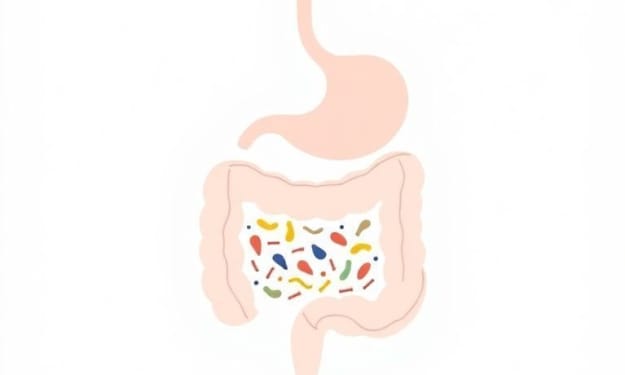
By: Paul Claybrook, MS, MBA Gut health has emerged as a central topic in modern health research due to its far-reaching influence on nearly every system in the body. The gastrointestinal tract is not only responsible for digestion and nutrient absorption, but also serves as home to the gut microbiome—a complex community of microorganisms that plays a key role in immune regulation, metabolic function, and even mental well-being. Increasing evidence suggests that imbalances in the gut microbiome are linked to a wide range of health concerns, including chronic inflammation, digestive disorders, metabolic disease, and mood disturbances. As a result, maintaining a healthy gut is increasingly recognized as a foundational component of overall wellness rather than a narrow digestive concern. Gut health is shaped by daily choices, particularly those related to diet, physical activity, supplementation, and lifestyle habits such as sleep and stress management. Understanding how these factors interact provides individuals with practical tools for supporting digestive function and long-term health. This article explores the science behind gut health and outlines evidence-based strategies for nurturing the gut microbiome through sustainable, everyday practices.
By Paul Claybrook MS MBA3 months ago in Longevity