Fiaz Ahmed
Bio
I am Fiaz Ahmed. I am a passionate writer. I love covering trending topics and breaking news. With a sharp eye for what’s happening around the world, and crafts timely and engaging stories that keep readers informed and updated.
Stories (1373)
Filter by community
Best Way Forward for Iran Would Be Negotiated Settlement, Says Starmer. AI-Generated.
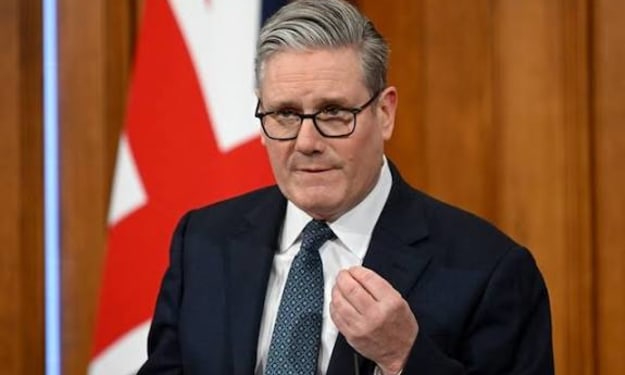
British Prime Minister Keir Starmer has called for a diplomatic path forward in the escalating conflict involving Iran, saying that the most sustainable outcome for the region and the world would be a negotiated settlement rather than further military escalation. His remarks mark a clear divergence from the position taken by Donald Trump, who has indicated that military pressure and a tougher stance are necessary. Speaking at a press conference in Downing Street, Starmer reaffirmed that the United Kingdom’s “long‑standing position” is that a diplomatic resolution is the best way forward — one that includes an agreement with Tehran in which Iran agrees to relinquish nuclear ambitions and halt destabilizing activities. Starmer said that this principle guided his decision not to support the initial offensive strikes on Iran carried out by the United States and Israel, emphasizing that the UK’s restraint was “deliberate” and in the “national interest.” A Diplomatic Approach in a Volatile Crisis Starmer’s comments come amid a widening conflict that has drawn in multiple countries and raised fears of a broader regional war. Within the UK government, he has faced pressure on multiple fronts: from allies urging a firmer defense stance, from critics at home who argue the UK has been too cautious, and from political opponents, including Trump, who has publicly criticized Starmer — even deriding him as “not Winston Churchill.” Despite such criticism, Starmer insisted that Britain must place long‑term stability and diplomacy at the center of its response. “No matter the pressure to do otherwise,” he said, “the best way forward for the region and the world is a negotiated settlement with Iran.” The prime minister added that such an agreement would include Tehran agreeing to abandon its nuclear ambitions — a key concern for Western nations. The UK has also deployed additional military assets to the region, including Typhoon fighter jets to Qatar and anti‑drone Wildcat helicopters to Cyprus, in a dual effort to protect British citizens and allies while reinforcing a defensive posture. Still, Starmer argued that defense and diplomacy are not mutually exclusive, asserting that a negotiated path remains the most constructive means to end the crisis. Difference With U.S. Policy Starmer’s diplomatic approach contrasts sharply with Trump’s strategy. The U.S. president has signaled that military efforts and direct pressure on Tehran, including targeting missile infrastructure and other strategic systems, are necessary to compel Iran to curb what Washington views as dangerous nuclear and military ambitions. Trump has also made comments suggesting that negotiation may no longer be feasible at this stage of the conflict. The Prime Minister urged restraint and communication, arguing that diplomacy — even in the midst of conflict — could prevent further escalation and reduce the human and economic cost of war. He told reporters that “the longstanding British position is that diplomacy and negotiation remain our best hope for a stable outcome.” Political and Public Reaction Starmer’s stance has drawn mixed reactions. Senior figures in the UK government — including members of the national security council — are said to have backed the negotiated‑settlement position. However, allies in the Gulf have expressed concern that Britain’s cautious approach has not sufficiently protected regional partners from Iranian drone and missile attacks. Critics argue that the UK should have taken a more robust military role alongside the United States and Israel to deter further aggression. Domestically, Starmer defends his policy as prudent and aligned with Britain’s diplomatic traditions. He has stressed that military engagement should be defensive only, aimed at safeguarding British citizens and interests, while diplomatic efforts should be pursued to achieve a lasting settlement. Challenges to Negotiation While Starmer calls for negotiation, many analysts note that finding common ground with Tehran will be extraordinarily difficult amid ongoing hostilities, mutual distrust, and competing strategic objectives. Iranian leaders have repeatedly rejected external pressure to halt their nuclear program, and ultra‑hardline factions appear resistant to concessions. At the same time, any negotiated settlement will require assurances that go beyond mere verbal commitments, demanding verification mechanisms and international oversight. Despite these challenges, Starmer’s comments underscore a broader debate in global policy circles about the role of diplomacy versus force in resolving international conflicts. For the UK prime minister, the answer is clear: sustained negotiation, even amid crisis, offers the best hope for long‑term regional stability and world security.
By Fiaz Ahmed about an hour ago in The Swamp
Meet the Parsi Cousin of Biryani — Niloufer Mavalvala’s Murghi no Palau. AI-Generated.
When it comes to Indian cuisine, biryani often steals the spotlight with its fragrant rice, tender meat, and complex spices. Yet, among the Parsi community in India, a lesser-known cousin of biryani — Murghi no Palau — holds a cherished place at family tables and festive occasions. Chef Niloufer Mavalvala, a celebrated Parsi culinary historian and cookbook author, has been instrumental in bringing this traditional dish to wider attention, showcasing the delicate flavors and cultural significance that distinguish it from its more famous relative. Murghi no Palau literally translates to “chicken with rice” and is a Parsi take on the classic rice-and-meat combination. While it shares similarities with biryani, including the use of aromatic spices, the dish emphasizes subtlety over the fiery intensity that biryani is often known for. Mavalvala explains that Parsi cooking traditionally favors a balance of flavors, where no single spice overwhelms the palate, and each ingredient contributes to a harmonious whole. “The beauty of Murghi no Palau lies in its elegance,” says Mavalvala. “It’s not just a dish; it’s a reflection of Parsi values — refinement, restraint, and celebration of good ingredients.” The dish typically features marinated chicken cooked with basmati rice, onions, saffron, and ghee, with a medley of mild spices such as cinnamon, cardamom, and cloves. Unlike many biryani variants, it avoids heavy use of chili or hot masalas, allowing the natural flavors of the chicken and rice to shine. Historically, Murghi no Palau has been a dish reserved for special occasions within Parsi households. Weddings, Navroz (the Parsi New Year), and milestone celebrations often feature this dish as a centerpiece. Mavalvala notes that its preparation is considered an art form, with layers of rice and meat carefully arranged to ensure even cooking and flavor distribution. “Every family has its own version,” she says. “Some add raisins or cashews, some prefer a hint of rosewater. It’s a dish of tradition, but also of personal expression.” The Parsi community, originally Zoroastrians who migrated to India from Persia centuries ago, has a rich culinary heritage that blends Persian, Gujarati, and British influences. Murghi no Palau exemplifies this synthesis, reflecting both the Persian roots of rice pilafs and the subtle Indian spice sensibilities acquired over generations in Gujarat and Mumbai. Mavalvala has dedicated much of her career to documenting Parsi recipes that risk fading into obscurity. Through her cookbooks, workshops, and online classes, she has shared step-by-step instructions for Murghi no Palau, emphasizing techniques such as slow-cooking chicken to preserve tenderness and layering saffron-infused rice for both aroma and visual appeal. She also stresses the importance of ghee and fresh ingredients, which she says are central to achieving authentic flavor. One striking feature of Murghi no Palau is the use of caramelized onions, which add both sweetness and depth to the dish. Combined with saffron and mild spices, the onions create a golden, fragrant rice that is at once comforting and elegant. The chicken, marinated in yogurt, garlic, and a touch of turmeric, cooks gently alongside the rice, infusing it with subtle richness without overwhelming the palate. For those accustomed to robust biryani flavors, Murghi no Palau offers a gentle, nuanced experience. It invites diners to appreciate restraint, balance, and the layering of textures — characteristics that define much of Parsi cuisine. Mavalvala believes that sharing this dish with wider audiences helps preserve an important cultural legacy. As global interest in regional Indian cuisines grows, Murghi no Palau is increasingly appearing on menus in Mumbai, Delhi, and even international restaurants dedicated to Parsi fare. Food enthusiasts and chefs alike are discovering that this “cousin of biryani” is not merely a variant, but a dish that embodies centuries of tradition, history, and the Parsi philosophy of life: measured, thoughtful, and full of warmth.
By Fiaz Ahmed about an hour ago in Longevity
As Trump Out-Putins Putin, Russia’s Global Influence Erodes. AI-Generated.
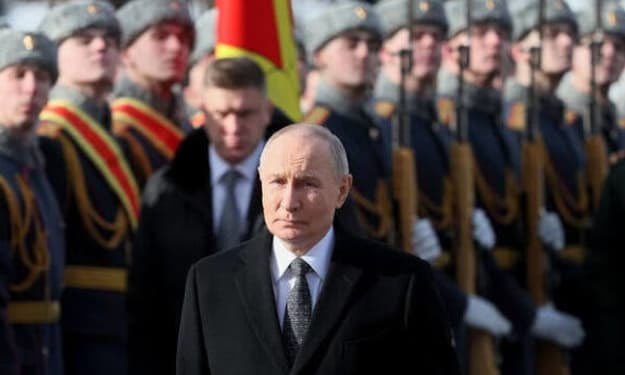
Russia’s position on the global stage appears to be weakening as former U.S. President Donald Trump asserts influence over international politics in ways that challenge Moscow’s strategic objectives. Analysts say that while Russia once projected power across Europe, the Middle East, and beyond, its ability to shape global events is increasingly constrained by economic pressures, military setbacks, and diplomatic isolation. Observers argue that Trump’s approach to foreign policy — characterized by transactional diplomacy, aggressive economic leverage, and a willingness to recalibrate alliances — has unintentionally outmaneuvered Russian President Vladimir Putin on several fronts. By reinforcing relationships with traditional U.S. allies while simultaneously expanding influence in strategic regions, Trump has underscored the limits of Russian soft and hard power. (foreignpolicy.comussia’s recent military engagements, particularly in Ukraine, have further highlighted the country’s declining global clout. Despite years of heavy investment in modernizing its armed forces, Moscow has faced setbacks that have weakened its bargaining position internationally. Military analysts note that logistical challenges, operational missteps, and sustained resistance from Ukrainian forces have eroded perceptions of Russian invincibility. Beyond the battlefield, Russia’s economy continues to suffer under international sanctions and trade restrictions. Financial isolation has curtailed Moscow’s ability to invest in foreign projects or incentivize partners through economic aid. Key trading partners in Europe and Asia have diversified their energy and defense relationships, reducing reliance on Russian resources. These trends have weakened Moscow’s ability to influence global markets and political decisions. Trump’s influence, by contrast, has emphasized American economic and military leverage in ways that directly counter Russia’s ambitions. Former administration officials and strategists argue that his approach to international energy markets, defense partnerships, and arms sales has created opportunities for countries to pivot away from Russian dependence. For instance, U.S. energy exports have reached new markets in Europe and Asia, undercutting Moscow’s role as a primary supplier. Trump’s strategy has also complicated Russia’s traditional alliances. By pressuring NATO members to increase defense spending and actively engaging in Middle Eastern diplomacy, he has reduced Moscow’s room to maneuver. Countries that historically maintained closer ties with Russia are increasingly aligning their security and economic policies with U.S.-led frameworks. The erosion of Russian influence is not limited to Europe. In Asia, Moscow faces challenges in competing with the growing economic and strategic presence of the United States and its partners. While China remains a significant ally, analysts caution that Beijing’s support for Russia is transactional rather than ideological, leaving Moscow vulnerable to shifts in global power dynamics. Political experts suggest that Russia’s soft power is likewise declining. Propaganda efforts, cultural exchanges, and diplomatic outreach that once bolstered Moscow’s image abroad have lost traction in a world more attuned to economic stability and security guarantees provided by other powers. International opinion surveys indicate waning confidence in Russia as a reliable partner, further limiting its global influence. Some analysts note that Trump’s assertive posture reinforces the perception that U.S. leadership can outmaneuver Russian objectives without direct confrontation. By leveraging economic tools, alliance networks, and strategic messaging, Trump has effectively undercut many of Moscow’s geopolitical ambitions. Despite these trends, Russia retains significant military and nuclear capabilities, making it impossible to discount entirely. Nevertheless, the country’s diminished ability to project influence across multiple theaters signals a structural decline that will take decades to reverse. In summary, Russia faces a combination of economic, military, and diplomatic constraints, while former President Trump’s foreign policy strategies have strengthened U.S. influence in regions where Moscow once held sway. The result is a geopolitical environment in which Russian power is increasingly contested, and its ability to shape global events is steadily declining.
By Fiaz Ahmed about an hour ago in The Swamp
Lindsey Halligan Is Under Investigation by the Florida Bar. AI-Generated.
Attorney Lindsey Halligan is facing an official inquiry by the Florida Bar, which has confirmed it is investigating her conduct in connection with recent high-profile legal matters. The investigation comes amid growing scrutiny over Halligan’s professional actions and has prompted significant media attention, as she has been involved in cases tied to political figures and contentious legal disputes. Halligan, who practices law in Florida, has represented clients in high-stakes litigation and has gained prominence for taking on politically sensitive cases. While details of the Florida Bar investigation remain confidential, sources familiar with the matter indicate that it centers on potential violations of professional ethics and conduct rules governing attorneys in the state. (miamiherald.he Florida Bar, the state’s regulatory body for lawyers, oversees professional conduct, discipline, and licensing. When allegations of misconduct arise, the Bar can open an investigation to determine whether an attorney has violated ethical standards, such as misrepresentation, conflicts of interest, or failure to act in a client’s best interests. Depending on the findings, sanctions can range from reprimands to suspension or permanent disbarment. In a statement, the Florida Bar confirmed that the investigation concerning Halligan is active but declined to comment on specifics, citing confidentiality rules that protect both attorneys and clients during ongoing inquiries. “[The Bar] takes all allegations seriously and conducts thorough investigations in accordance with professional rules,” a spokesperson said. (floridabar.oegal analysts note that such investigations are not uncommon for attorneys involved in high-profile cases. Halligan’s recent representation of clients in politically charged legal matters has placed her under increased scrutiny. While investigations do not necessarily imply wrongdoing, they can have significant professional and reputational consequences for lawyers. Halligan has not publicly detailed the nature of the allegations or the specific cases involved. In prior interviews, she has described herself as a committed advocate for her clients and emphasized adherence to legal standards. Some supporters argue that the investigation may be influenced by the highly politicized nature of her work, particularly when representing clients in contentious or nationally publicized disputes. Florida Bar investigations follow a structured process. Complaints are first reviewed to determine whether they fall within the scope of professional regulation. If deemed actionable, the Bar’s investigative team collects documents, interviews witnesses, and reviews relevant case materials. Attorneys under investigation have the right to respond and provide evidence on their behalf. After the inquiry, the Bar can recommend disciplinary action or dismiss the case if no violations are found. The announcement of the investigation has drawn attention from both legal circles and the broader public. Media outlets have highlighted Halligan’s prior work and her involvement in recent controversial cases, which has amplified scrutiny and speculation. Despite this attention, the Bar emphasizes that confidentiality and due process are critical, and details of investigations are typically kept private until a final determination is made. Observers note that an investigation does not equate to guilt. Many attorneys undergo inquiries during their careers, and some emerge without sanctions. However, the public nature of Halligan’s cases means that the investigation is likely to influence perceptions of her professional credibility and could affect her ability to practice law if any violations are found. Halligan’s legal team has not issued a formal statement responding to the Florida Bar’s announcement. Legal experts suggest that the case may take several months to reach a conclusion, given the complexity of ethical reviews and the volume of material the Bar may need to examine. The investigation underscores the broader responsibilities of attorneys who engage in high-profile or politically sensitive legal work. Lawyers are held to strict ethical standards, and regulatory bodies like the Florida Bar play a critical role in ensuring accountability, maintaining public trust, and safeguarding the integrity of the legal profession.
By Fiaz Ahmed about an hour ago in The Swamp
Nature Report, Killed by Trump, Is Released Independently. AI-Generated.
A major federal report assessing the state of nature and biodiversity across the United States — originally halted during the presidency of Donald Trump — has finally been released to the public after scientists decided to publish the findings independently. The report, years in the making, provides one of the most comprehensive analyses ever compiled about the health of ecosystems, wildlife populations, and natural resources across the country. The study was prepared as part of a nationwide effort coordinated by the U.S. Geological Survey and other federal agencies. Researchers involved in the project say the document was meant to provide policymakers with detailed scientific guidance on biodiversity loss, habitat degradation, and the growing impact of climate change on American landscapes. However, the report’s release stalled during the administration of Trump, when several environmental initiatives were scaled back or canceled. Scientists working on the project say the publication was effectively shelved before it could reach the public or be formally submitted to Congress. Now, years later, the authors have decided to release the research independently, publishing the findings through academic and scientific networks rather than through official government channels. The decision marks a rare step for researchers who typically rely on federal agencies to distribute major environmental assessments. According to the scientists behind the study, the report documents significant declines in biodiversity across the United States. Many native plant and animal species are facing mounting pressures from habitat loss, pollution, invasive species, and climate change. Wetlands and grasslands — ecosystems that support a large share of the country’s wildlife — have experienced particularly steep reductions in recent decades. The report also highlights the economic consequences of environmental decline. Natural ecosystems provide essential services such as pollination, water purification, and flood protection. Researchers warn that if biodiversity loss continues at its current pace, communities could face rising costs linked to environmental damage and weakened natural defenses against extreme weather events. Experts involved in the project say the findings were intended to inform national conservation strategies and guide land-management decisions at both federal and state levels. Without accurate scientific assessments, they argue, policymakers lack the information needed to design effective environmental protections. The controversy surrounding the report reflects broader tensions that existed between the scientific community and political leadership during the Trump presidency. Environmental policies adopted during that period included the rollback of several regulations related to emissions, land use, and wildlife protection. Critics argued that these decisions weakened safeguards designed to protect natural ecosystems. Supporters of those policies, however, maintained that regulatory reforms were necessary to support economic growth and reduce burdens on businesses, particularly in the energy and manufacturing sectors. Regardless of political debates, the authors of the biodiversity report say their goal is simply to ensure that the scientific data becomes available to the public. By releasing the document independently, they hope researchers, conservation organizations, and policymakers can still use the findings to inform future environmental strategies. Environmental groups have welcomed the publication, calling it an important contribution to understanding the state of nature in the United States. They say comprehensive national assessments are critical for tracking environmental changes and identifying areas where conservation efforts should be prioritized. The report’s release also highlights the evolving relationship between science and public communication. In an era where research findings can be shared widely through digital platforms, scientists increasingly have alternative ways to distribute their work when official channels fail. For the researchers who spent years compiling the study, the independent release represents both a scientific milestone and a statement about the importance of transparency. They argue that environmental data belongs not only to governments but also to the public, whose lives and livelihoods depend on the health of the natural world. While the report cannot retroactively influence past policy decisions, its authors hope the findings will still shape future discussions about conservation and sustainable development. As biodiversity loss continues to accelerate worldwide, they say timely access to scientific information has never been more important.
By Fiaz Ahmed about an hour ago in Longevity
How the Royal Navy went from being the envy of the world to a shadow of its former self. AI-Generated.
For centuries, the Royal Navy stood as one of the most powerful and respected military forces on the planet. At its height, Britain’s naval fleet dominated global seas, protected vast trade routes, and played a central role in maintaining the British Empire. Today, however, many defense analysts argue that the Royal Navy is only a shadow of its former self, facing shrinking fleets, budget constraints, and growing strategic challenges. The Royal Navy’s dominance began in the 18th and 19th centuries, when Britain relied heavily on maritime power to protect trade and colonial territories. Victories in historic battles such as Trafalgar cemented Britain’s reputation as the world’s leading naval power. At the height of the British Empire, the Royal Navy maintained hundreds of warships stationed across the globe, ensuring that Britain could project power wherever its interests were threatened. Following the Second World War, however, the geopolitical landscape began to change dramatically. The decline of the British Empire, combined with the rise of new superpowers such as the United States and the Soviet Union, gradually reduced Britain’s role as the world’s dominant naval force. Maintaining a massive global fleet became increasingly difficult as economic priorities shifted toward rebuilding the post-war economy. Over the following decades, successive British governments reduced defense spending and focused on modernizing rather than expanding the fleet. While new technologies improved the capabilities of individual ships, the total number of vessels steadily declined. This shift marked the beginning of a long-term contraction in Britain’s naval strength. Today, the Royal Navy operates far fewer ships than it did during its peak years. While the fleet includes advanced aircraft carriers, nuclear submarines, and modern destroyers, critics argue that its size is no longer sufficient to meet the wide range of commitments expected from a global maritime power. One major challenge facing the Royal Navy is maintaining a balance between technological sophistication and fleet size. Modern warships are far more complex and expensive than their historical counterparts. As a result, governments often choose to invest in fewer but more capable vessels. While this strategy enhances technological superiority, it also reduces the number of ships available for simultaneous missions. Personnel shortages have also become a concern. Recruiting and retaining skilled sailors and engineers has grown more difficult in recent years, partly because modern naval systems require highly specialized training. Some reports suggest that staffing shortages have occasionally limited the ability to deploy certain ships or maintain continuous operations. Another issue is the growing range of responsibilities assigned to the Royal Navy. In addition to traditional combat roles, the navy is now involved in humanitarian missions, anti-piracy operations, maritime security patrols, and disaster relief efforts. These diverse tasks stretch resources and place additional pressure on a relatively small fleet. At the same time, global maritime competition is intensifying. Countries such as China are rapidly expanding their naval forces, building dozens of new warships each year. Russia, while smaller in scale, continues to modernize its submarine fleet and invest in advanced missile technologies. These developments are forcing Western navies to reconsider how they allocate resources and plan future strategies. Despite these challenges, supporters of the Royal Navy emphasize that it remains one of the most technologically advanced naval forces in the world. Britain’s aircraft carriers, nuclear-powered submarines, and advanced radar systems provide capabilities that many other nations cannot match. Moreover, the Royal Navy continues to play a vital role within NATO and in international maritime security. Through alliances and joint operations with partners such as the United States and European nations, Britain maintains a significant presence in global waters even with a smaller fleet. Ultimately, the transformation of the Royal Navy reflects broader changes in global power dynamics. The era of a single nation dominating the seas has largely passed, replaced by a more complex and competitive international environment. While the Royal Navy may no longer command the overwhelming dominance it once enjoyed, its legacy and strategic importance remain deeply embedded in Britain’s national identity and global role.
By Fiaz Ahmed about an hour ago in The Swamp
Turkey’s First Airborne Stand-Off Jammer Aircraft Breaks Cover. AI-Generated.
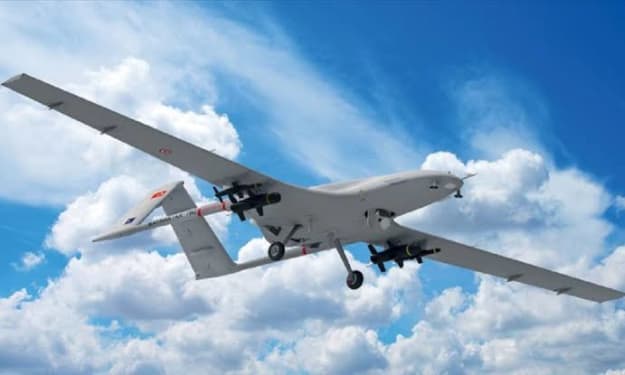
Turkey has taken another major step in strengthening its domestic defense industry with the unveiling of its first airborne stand-off jammer aircraft, a platform designed to disrupt enemy radar and communication systems during military operations. The new aircraft, developed as part of Turkey’s expanding electronic warfare capabilities, signals Ankara’s determination to reduce reliance on foreign defense technologies while increasing its influence in modern aerial combat systems. The aircraft, known as the HAVA SOJ (Airborne Stand-Off Jammer), is designed to conduct electronic warfare missions by interfering with enemy air-defense networks from a safe distance. By operating outside the range of hostile missile systems, the aircraft can jam radar signals, disrupt communications, and degrade the ability of adversaries to track or target friendly aircraft. Military analysts say the capability represents a significant milestone for Turkey’s defense sector. Electronic warfare platforms are considered essential components of modern air operations because they help create safer conditions for combat aircraft and unmanned systems by confusing or blinding enemy sensors. Turkey has long relied on imported electronic warfare technologies, particularly from NATO allies. However, geopolitical tensions and export restrictions in recent years have pushed Ankara to accelerate its indigenous defense development programs. The HAVA SOJ project is part of a broader effort to build a self-sufficient military technology ecosystem. The aircraft itself is based on a modified business jet platform that has been equipped with specialized electronic warfare systems. These systems include advanced antennas, signal processors, and software designed to detect and interfere with a wide range of radar frequencies used by modern air defense systems. Engineers working on the project say the aircraft is capable of identifying threats across large areas and responding with targeted electronic jamming techniques. By transmitting powerful electronic signals, the aircraft can distort radar images, block communications, or create false signals that mislead enemy defenses. Stand-off jamming platforms are particularly valuable during the early stages of military operations. They are often used to suppress enemy air defenses, allowing fighter jets, bombers, and drones to operate more freely in contested airspace. This capability is especially important in conflicts where advanced surface-to-air missile systems pose a significant threat. Turkey’s development of the HAVA SOJ aircraft also reflects the country’s growing emphasis on electronic warfare as a central component of modern military strategy. Recent conflicts around the world have demonstrated that controlling the electromagnetic spectrum can be just as important as traditional firepower. In addition to protecting friendly aircraft, electronic warfare systems can also support intelligence gathering. By monitoring radar signals and communication networks, these platforms provide valuable information about enemy capabilities and operational patterns. The project has been carried out through cooperation between several Turkish defense companies and research institutions. Officials involved in the program say the aircraft has successfully completed initial ground tests and integration work, marking an important step toward full operational capability. Turkey’s defense industry has expanded rapidly over the past decade, producing a wide range of military technologies including armed drones, naval vessels, armored vehicles, and missile systems. The success of these programs has allowed Ankara to increase defense exports while strengthening its strategic autonomy. However, experts note that electronic warfare remains one of the most technologically complex areas of military development. Designing systems capable of countering modern radar networks requires sophisticated software, high-power transmitters, and advanced signal analysis technologies. Despite these challenges, Turkey appears determined to establish itself as a leader in this field. The introduction of the HAVA SOJ aircraft suggests that the country is moving closer to achieving a comprehensive electronic warfare capability that can support both national defense and international operations. As global military competition increasingly focuses on technology and information dominance, platforms like stand-off jammers are expected to play a growing role in future conflicts. For Turkey, the unveiling of its first airborne jammer aircraft represents not only a technological milestone but also a statement of strategic ambition.
By Fiaz Ahmed about 2 hours ago in The Swamp
World-largest: China’s 792 million kWh compressed air energy station now fully operational. AI-Generated.
Britain must accelerate its transition toward renewable energy sources as geopolitical conflicts continue to drive global energy prices higher, according to leading energy analysts and climate policy experts. The warning comes as wars and political tensions across key energy-producing regions expose the vulnerability of countries still heavily reliant on imported fossil fuels. In recent years, the United Kingdom has made significant progress expanding renewable energy capacity, particularly in offshore wind and solar power. However, experts argue that the pace of the transition remains insufficient to shield the country from the volatility of international energy markets. Conflicts in the Middle East and Eastern Europe have demonstrated how quickly supply disruptions can translate into rising costs for households and businesses. Energy economists say the lesson from recent global crises is clear: the more dependent a country is on imported oil and gas, the more exposed it becomes to geopolitical shocks. Britain imports a substantial portion of its natural gas and refined fuel products, meaning instability in global supply chains can quickly affect domestic energy bills. During periods of international conflict, oil prices often spike due to fears that shipping routes or production facilities could be disrupted. Even rumors of attacks near key energy chokepoints — such as major pipelines or shipping lanes — can cause markets to react sharply. These fluctuations, analysts say, ultimately filter down to consumers through higher electricity and heating costs. Renewable energy sources offer a potential solution to this problem because they rely on domestic resources such as wind and sunlight rather than imported fuels. Once renewable infrastructure is built, operating costs remain relatively stable because there is no need to purchase fuel on global markets. The United Kingdom already operates some of the world’s largest offshore wind farms, and renewable energy now accounts for a significant share of the country’s electricity generation. Government data indicates that wind power alone has become one of the largest sources of electricity in Britain, particularly during periods of strong weather conditions. Despite this progress, energy specialists argue that further investment is essential. Expanding renewable generation capacity requires not only building more wind and solar farms but also upgrading the national electricity grid. A modernized grid would allow energy produced in remote offshore locations to be transmitted efficiently to cities and industrial centers. Energy storage is another critical piece of the puzzle. Because renewable sources like wind and solar are intermittent, large-scale battery systems or alternative storage technologies are needed to ensure a stable supply of electricity during periods when generation drops. Developing these systems will require both technological innovation and sustained financial investment. Some experts also emphasize the importance of diversifying the country’s renewable portfolio. While offshore wind remains a cornerstone of Britain’s energy strategy, solar power, tidal energy, and green hydrogen could also play important roles in the future energy mix. The government has already announced plans to increase renewable capacity dramatically over the next decade. Officials argue that reducing reliance on fossil fuels will not only strengthen national energy security but also help the country meet its climate targets. However, critics say policy uncertainty and slow planning approvals have sometimes delayed renewable projects. Industry leaders have urged authorities to streamline regulatory processes and provide clearer long-term incentives for investors. For many analysts, the link between energy security and climate policy has never been more obvious. Wars and geopolitical tensions have shown that fossil fuel dependence can create economic vulnerability, while domestically produced renewable energy offers greater stability. “The global energy system is changing,” said one energy policy researcher. “Countries that invest early in renewable infrastructure will be better protected from geopolitical shocks and price spikes.” As international conflicts continue to reshape global energy markets, the debate over Britain’s energy future is likely to intensify. For supporters of renewable power, the current moment represents both a warning and an opportunity — a chance to accelerate the transition toward a more secure and sustainable energy system.
By Fiaz Ahmed about 2 hours ago in Earth
UK must double down on renewables as wars drive up energy costs, experts say. AI-Generated.
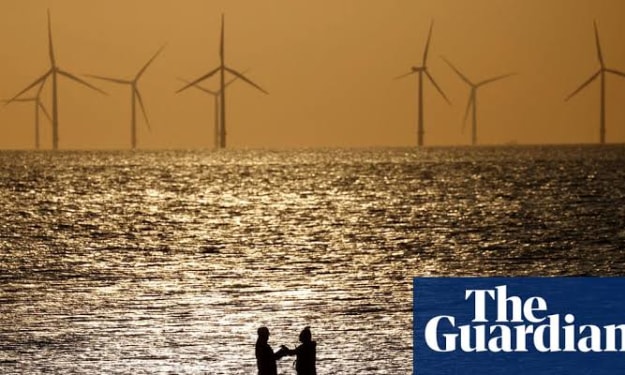
Britain must accelerate its transition toward renewable energy sources as geopolitical conflicts continue to drive global energy prices higher, according to leading energy analysts and climate policy experts. The warning comes as wars and political tensions across key energy-producing regions expose the vulnerability of countries still heavily reliant on imported fossil fuels. In recent years, the United Kingdom has made significant progress expanding renewable energy capacity, particularly in offshore wind and solar power. However, experts argue that the pace of the transition remains insufficient to shield the country from the volatility of international energy markets. Conflicts in the Middle East and Eastern Europe have demonstrated how quickly supply disruptions can translate into rising costs for households and businesses. Energy economists say the lesson from recent global crises is clear: the more dependent a country is on imported oil and gas, the more exposed it becomes to geopolitical shocks. Britain imports a substantial portion of its natural gas and refined fuel products, meaning instability in global supply chains can quickly affect domestic energy bills. During periods of international conflict, oil prices often spike due to fears that shipping routes or production facilities could be disrupted. Even rumors of attacks near key energy chokepoints — such as major pipelines or shipping lanes — can cause markets to react sharply. These fluctuations, analysts say, ultimately filter down to consumers through higher electricity and heating costs. Renewable energy sources offer a potential solution to this problem because they rely on domestic resources such as wind and sunlight rather than imported fuels. Once renewable infrastructure is built, operating costs remain relatively stable because there is no need to purchase fuel on global markets. The United Kingdom already operates some of the world’s largest offshore wind farms, and renewable energy now accounts for a significant share of the country’s electricity generation. Government data indicates that wind power alone has become one of the largest sources of electricity in Britain, particularly during periods of strong weather conditions. Despite this progress, energy specialists argue that further investment is essential. Expanding renewable generation capacity requires not only building more wind and solar farms but also upgrading the national electricity grid. A modernized grid would allow energy produced in remote offshore locations to be transmitted efficiently to cities and industrial centers. Energy storage is another critical piece of the puzzle. Because renewable sources like wind and solar are intermittent, large-scale battery systems or alternative storage technologies are needed to ensure a stable supply of electricity during periods when generation drops. Developing these systems will require both technological innovation and sustained financial investment. Some experts also emphasize the importance of diversifying the country’s renewable portfolio. While offshore wind remains a cornerstone of Britain’s energy strategy, solar power, tidal energy, and green hydrogen could also play important roles in the future energy mix. The government has already announced plans to increase renewable capacity dramatically over the next decade. Officials argue that reducing reliance on fossil fuels will not only strengthen national energy security but also help the country meet its climate targets. However, critics say policy uncertainty and slow planning approvals have sometimes delayed renewable projects. Industry leaders have urged authorities to streamline regulatory processes and provide clearer long-term incentives for investors. For many analysts, the link between energy security and climate policy has never been more obvious. Wars and geopolitical tensions have shown that fossil fuel dependence can create economic vulnerability, while domestically produced renewable energy offers greater stability. “The global energy system is changing,” said one energy policy researcher. “Countries that invest early in renewable infrastructure will be better protected from geopolitical shocks and price spikes.” As international conflicts continue to reshape global energy markets, the debate over Britain’s energy future is likely to intensify. For supporters of renewable power, the current moment represents both a warning and an opportunity — a chance to accelerate the transition toward a more secure and sustainable energy system.
By Fiaz Ahmed about 3 hours ago in Earth
US and Mideast Countries Seek Kyiv’s Drone Expertise as Russia-Ukraine Talks Put on Ice. AI-Generated.
The ongoing war in Ukraine has unexpectedly transformed Kyiv into one of the world’s most influential centers of drone warfare expertise. Now, as tensions escalate in the Middle East and diplomatic talks between Russia and Ukraine stall, the United States and several Middle Eastern countries are turning to Ukraine for help in defending against drone attacks. According to Ukrainian President Volodymyr Zelenskyy, governments in both Washington and the Gulf region have approached Kyiv seeking guidance on how to counter Iranian-made attack drones. Over the past four years of war with Russia, Ukraine has gained extensive battlefield experience defending its cities, infrastructure, and military positions from waves of unmanned aerial vehicles used by Russian forces. These drones — many of them based on the Iranian-designed Shahed drone — have become a defining feature of the conflict. Russia has launched tens of thousands of them against Ukrainian targets since the invasion began in 2022, forcing Ukraine to rapidly innovate new defensive techniques and technologies. In recent weeks, Zelenskyy said he held discussions with leaders from several Middle Eastern countries, including the United Arab Emirates, Qatar, Bahrain, Jordan, and Kuwait. These governments are increasingly concerned about the threat posed by Iranian drone technology in the region and are eager to learn from Ukraine’s combat-tested experience. The interest comes as tensions in the Middle East have intensified following a new round of hostilities involving Iran. Iranian drones have been deployed in attacks across the region, raising alarms about the vulnerability of critical infrastructure such as oil facilities, airports, and power plants. Ukraine’s response to similar threats has relied on a combination of innovation and necessity. Because traditional air-defense systems are expensive and limited in supply, Ukrainian engineers and military planners developed alternative strategies. These include electronic warfare systems that jam drone signals, mobile anti-aircraft units, and even specialized interceptor drones designed to hunt down and destroy incoming UAVs. One particularly notable innovation has been the development of extremely low-cost counter-drone systems. Some Ukrainian interceptor drones cost as little as $1,000, making them far cheaper than conventional missile-based defenses that can cost hundreds of thousands of dollars per shot. This affordability has drawn the attention of military planners around the world. In modern conflicts where drones are used in large numbers, traditional missile systems can quickly become economically unsustainable. Ukraine’s approach — combining inexpensive technologies with layered defense strategies — has shown how countries can defend themselves against mass drone attacks without exhausting their defense budgets. The new cooperation discussions also reflect a broader geopolitical shift. Ukraine’s experience in drone warfare has effectively turned the country into a laboratory for modern combat technologies. Lessons learned on Ukrainian battlefields are now influencing defense strategies far beyond Europe. At the same time, Kyiv is carefully weighing how much assistance it can provide. Zelenskyy emphasized that any sharing of expertise or equipment must not weaken Ukraine’s own defensive capabilities. The country remains locked in a prolonged war with Russia, and protecting its airspace remains the top priority. “We help defend those who help Ukraine bring a just end to the war,” Zelenskyy said in remarks outlining Kyiv’s approach to international cooperation. Meanwhile, diplomatic efforts to end the war between Russia and Ukraine have been put on hold. A new round of U.S.-brokered talks had been expected to take place this week, but the escalating crisis in the Middle East has diverted international attention and delayed negotiations. The pause in diplomacy underscores how interconnected global conflicts have become. Developments in one region can quickly reshape the strategic landscape elsewhere, drawing new actors into existing conflicts. For Ukraine, the sudden demand for its expertise represents both an opportunity and a challenge. On one hand, sharing its knowledge could strengthen alliances and expand its global influence. On the other, Kyiv must balance those partnerships with the urgent demands of its own war effort. As drone warfare becomes an increasingly dominant feature of modern battlefields, Ukraine’s experience may prove to be one of the most valuable strategic assets to emerge from the conflict.
By Fiaz Ahmed about 3 hours ago in The Swamp
Seven Countries to Boycott Paralympics Ceremony Over Flag-Flying Russians. AI-Generated.
Tensions surrounding international sport and geopolitics have once again surfaced after seven countries announced plans to boycott the opening ceremony of the upcoming Paralympic Games in protest against the participation of Russian athletes under their national flag. The decision has intensified an already heated debate over how global sporting bodies should respond to ongoing conflicts and political disputes. Officials from the seven nations — including several European countries that have been strong supporters of Ukraine since Russia’s invasion in 2022 — said they would not attend the opening ceremony if Russian athletes are permitted to compete while displaying national symbols. While the countries did not withdraw entirely from the competition, their symbolic protest aims to pressure international sports authorities to reconsider their stance. The controversy stems from a decision by the International Paralympic Committee (IPC) that allows some Russian athletes to participate under certain conditions. Initially, Russian and Belarusian athletes were banned from many international sporting events following the invasion of Ukraine. However, as global sporting federations reconsidered blanket bans, some organizations began allowing athletes to compete as neutral participants. In this case, critics argue that permitting athletes to appear with national symbols such as the Russian flag undermines the principle of neutrality. They say the move risks politicizing the Paralympics and sending a message that ongoing military actions can be overlooked in the pursuit of sporting inclusivity. Supporters of the boycott say their decision is not directed at individual athletes but at the political symbolism involved. Government representatives from the protesting nations stated that while they respect the dedication and perseverance of Paralympic athletes, allowing Russian competitors to march under their national flag during the ceremony would be inappropriate given the current geopolitical situation. “This is about standing up for the values of international sport,” one official from a participating country said. “Athletes deserve respect, but so do the principles of peace and international law.” Ukraine has been among the most vocal critics of Russia’s participation in global sporting events since the war began. Ukrainian officials have repeatedly argued that Russian athletes should not compete internationally while the conflict continues. The country’s Paralympic committee also expressed disappointment with the IPC’s decision, saying it fails to acknowledge the suffering experienced by Ukrainian athletes and civilians during the war. For the International Paralympic Committee, the issue represents a delicate balancing act. The organization has emphasized that its primary mission is to promote inclusion and ensure that athletes with disabilities can compete at the highest level regardless of political circumstances. IPC officials argue that individual athletes should not be punished for decisions made by their governments. However, the committee also recognizes the sensitivity of the situation. To address concerns, officials introduced restrictions that limit political displays and require participating athletes to comply with rules designed to prevent propaganda or political messaging during the Games. Despite these measures, the boycott announcement demonstrates the deep divisions that continue to affect international sport. The Paralympics, which are traditionally seen as a celebration of resilience, diversity, and human achievement, now find themselves entangled in global political disputes. Sports analysts say the situation reflects a broader trend in which international competitions increasingly become arenas for political expression. From Olympic boycotts during the Cold War to modern disputes over human rights and geopolitical conflicts, sports have often mirrored the tensions of the wider world. Athletes themselves have expressed mixed reactions to the controversy. Some believe that politics should remain separate from sport and worry that boycotts undermine the spirit of international competition. Others argue that sporting organizations cannot ignore global realities, especially when conflicts directly affect athletes and their families. As the Paralympic Games approach, the dispute has created uncertainty about the atmosphere surrounding the opening ceremony. While competitions will proceed as scheduled, the absence of several delegations from the ceremonial event is likely to draw global attention. Ultimately, the controversy highlights the difficult choices facing international sporting organizations. Balancing inclusivity, fairness, and political realities is never simple, particularly during times of global conflict. Whether the boycott leads to policy changes remains unclear, but it underscores how closely the world of sport is tied to the broader geopolitical environment.
By Fiaz Ahmed about 3 hours ago in The Swamp
US and Mideast Countries Seek Kyiv’s Drone Expertise as Russia-Ukraine Talks Put on Ice. AI-Generated.
The ongoing war in Ukraine has unexpectedly transformed Kyiv into one of the world’s most influential centers of drone warfare expertise. Now, as tensions escalate in the Middle East and diplomatic talks between Russia and Ukraine stall, the United States and several Middle Eastern countries are turning to Ukraine for help in defending against drone attacks. According to Ukrainian President Volodymyr Zelenskyy, governments in both Washington and the Gulf region have approached Kyiv seeking guidance on how to counter Iranian-made attack drones. Over the past four years of war with Russia, Ukraine has gained extensive battlefield experience defending its cities, infrastructure, and military positions from waves of unmanned aerial vehicles used by Russian forces. These drones — many of them based on the Iranian-designed Shahed drone — have become a defining feature of the conflict. Russia has launched tens of thousands of them against Ukrainian targets since the invasion began in 2022, forcing Ukraine to rapidly innovate new defensive techniques and technologies. In recent weeks, Zelenskyy said he held discussions with leaders from several Middle Eastern countries, including the United Arab Emirates, Qatar, Bahrain, Jordan, and Kuwait. These governments are increasingly concerned about the threat posed by Iranian drone technology in the region and are eager to learn from Ukraine’s combat-tested experience. The interest comes as tensions in the Middle East have intensified following a new round of hostilities involving Iran. Iranian drones have been deployed in attacks across the region, raising alarms about the vulnerability of critical infrastructure such as oil facilities, airports, and power plants. Ukraine’s response to similar threats has relied on a combination of innovation and necessity. Because traditional air-defense systems are expensive and limited in supply, Ukrainian engineers and military planners developed alternative strategies. These include electronic warfare systems that jam drone signals, mobile anti-aircraft units, and even specialized interceptor drones designed to hunt down and destroy incoming UAVs. One particularly notable innovation has been the development of extremely low-cost counter-drone systems. Some Ukrainian interceptor drones cost as little as $1,000, making them far cheaper than conventional missile-based defenses that can cost hundreds of thousands of dollars per shot. This affordability has drawn the attention of military planners around the world. In modern conflicts where drones are used in large numbers, traditional missile systems can quickly become economically unsustainable. Ukraine’s approach — combining inexpensive technologies with layered defense strategies — has shown how countries can defend themselves against mass drone attacks without exhausting their defense budgets. The new cooperation discussions also reflect a broader geopolitical shift. Ukraine’s experience in drone warfare has effectively turned the country into a laboratory for modern combat technologies. Lessons learned on Ukrainian battlefields are now influencing defense strategies far beyond Europe. At the same time, Kyiv is carefully weighing how much assistance it can provide. Zelenskyy emphasized that any sharing of expertise or equipment must not weaken Ukraine’s own defensive capabilities. The country remains locked in a prolonged war with Russia, and protecting its airspace remains the top priority. “We help defend those who help Ukraine bring a just end to the war,” Zelenskyy said in remarks outlining Kyiv’s approach to international cooperation. Meanwhile, diplomatic efforts to end the war between Russia and Ukraine have been put on hold. A new round of U.S.-brokered talks had been expected to take place this week, but the escalating crisis in the Middle East has diverted international attention and delayed negotiations. The pause in diplomacy underscores how interconnected global conflicts have become. Developments in one region can quickly reshape the strategic landscape elsewhere, drawing new actors into existing conflicts. For Ukraine, the sudden demand for its expertise represents both an opportunity and a challenge. On one hand, sharing its knowledge could strengthen alliances and expand its global influence. On the other, Kyiv must balance those partnerships with the urgent demands of its own war effort. As drone warfare becomes an increasingly dominant feature of modern battlefields, Ukraine’s experience may prove to be one of the most valuable strategic assets to emerge from the conflict.
By Fiaz Ahmed about 3 hours ago in The Swamp